CAPE TOWN – Rising tensions in the Middle East are once again redirecting global shipping traffic around the southern tip of Africa, but local maritime expert Brian Ingpen warns the country is failing to capitalise on the opportunity.
With instability affecting key routes such as the Suez Canal and threats to vessels in the Red Sea, more shipping companies are avoiding traditional corridors and opting for the longer journey around the Cape of Good Hope.
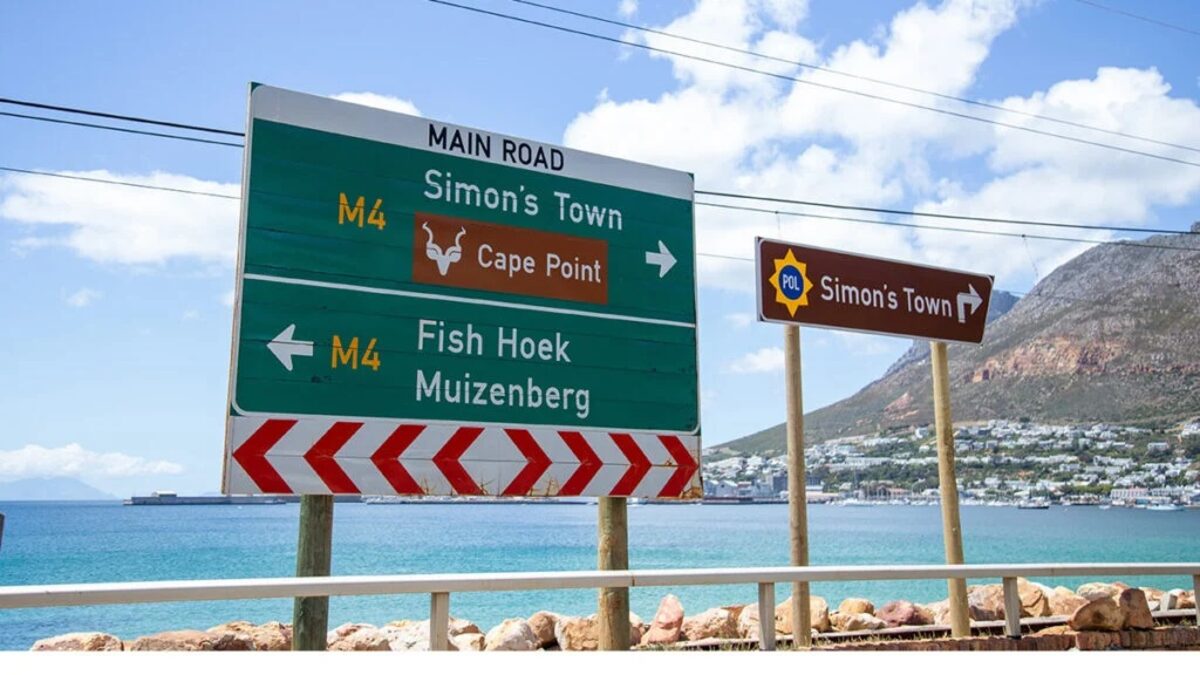
People’s Post spoke with Ingpen, who is also a historian that hails from Tokai, to hear his thoughts on whether Simon’s Town could become a potential stop off point for bunkering/re-fueling in the midst of the war.
Major operators like Maersk, Compagnie Maritime d’Affrètement – Compagnie Générale Maritime (CMA CGM) and Hapag-Lloyd have already scaled back routes through high-risk areas, contributing to a noticeable rise in vessel traffic off South Africa’s coastline, according to Senior maritime security researcher Timothy Walker.
While some analysts link the shift to tensions around the Strait of Hormuz, Ingpen argues the more immediate driver is the threat posed by Houthi attacks on shipping near Yemen.
“The closure of Strait of Hormuz does not affect the cape route directly. however, the Houthi rebels pose a huge threat to shipping off Yemen,” he explained.
In light of this, he estimates that as many as 150 ships a day – including regular traffic – could now be passing around the Cape.
Fewer ships stopping despite increased traffic
Despite the surge in passing vessels, Ingpen cautions that expectations of a major economic windfall for South Africa may be overstated.
Modern cargo ships are designed for long-haul efficiency, with large fuel tanks and reduced need for frequent refuelling stops. As a result, relatively few vessels are expected to dock at South African ports, he explained.
“Not many will call as modern ships have large bunker tanks and run on fuel-efficient engines, few will call for bunkers,” he said.
Instead, the main opportunities lie in auxiliary services such as offshore supply, emergency repairs and medical evacuations. Offshore launch services and helicopter operators, in particular, could benefit – as they did during previous disruptions to global shipping routes.
Ingpen added that South Africa missed a significant opportunity during earlier crises by failing to offer incentives to attract vessels.
“Despite calls for the ports to offer reduced port dues and tug/pilotage charges for bunkers-only callers, they did not implement any concessions, and we missed a huge opportunity to earn some good money from this possible shipping bonanza.”
Bunkering potential — but not in Simon’s Town
The idea that Simon’s Town could emerge as a key refuelling hub has also gained traction, but Ingpen firmly dismisses this.
“Simon’s Town is not a bunkering port for merchant shipping,” he said. “It is far too small and lacks proper bunker facilities for merchant ships, many of which still use heavy fuel oil.”
However, Ingpen believes nearby False Bay could be developed into a viable offshore bunkering anchorage, similar to operations already underway in Algoa Bay.
“It has the same challenges as Algoa Bay (currently in use as a ship-to-ship bunkering anchorage) and therefore should be available to bunkering services as Algoa Bay is.”
Such a move would require regulatory clarity and investment but could position the region to better service passing traffic.
Strategic importance growing — but “overstated in places”
There is little doubt that the Cape route is becoming more important globally. As disruptions persist in traditional choke points, shipping lines are increasingly relying on the southern passage.
Ingpen notes that this is not a new development but rather a return to historical patterns.
“The Cape route has always been a critical shipping artery,” he said. “but the Suez closures and the recent disruptions in the Red Sea have shown the route to be of paramount importance economically, and therefore geo-politically.”
Growing trade between West Africa and Asia, as well as Brazil and Asia, is also contributing to increased traffic, particularly in commodities such as oil and minerals.
However, he cautions against overstating the strategic role of Simon’s Town itself.
Unlike narrow choke points such as the Bab el-Mandeb Strait, the Cape does not force ships through a confined passage. Vessels can give the coastline a wide berth, even if it adds time and cost.
“In its own right, it has become busier with vibrant, growing trade between West Africa and Asia, and between Brazil (Brasília) and Asia, including the movement of Brazilian minerals to Asia and West African oil to Asia, let alone trade to South Africa (Pretoria). This enhances the importance of South Africa (Pretoria) generally, and Simon’s Town as a naval base – if upgraded.”
READ ALSO: Ramaphosa forms task team to tackle looming 50% fuel price surge.
Naval base needs upgrade
While Simon’s Town may not be a commercial hub, its military significance remains relevant — though Ingpen says it has declined.
The naval base, once a key strategic asset, is in need of substantial upgrades to meet modern demands.
In its current condition, he believes it has limited global influence, but could still serve a purpose if revitalised — potentially even as a base for foreign navies.
“It needs a massive upgrade (because of politically-correct appointments and general lethargy, it has become run-down.) However, it would be useful as a base for a foreign navy. perhaps the Indian navy might like to use it.” he said.
People’s Post reached out to the SA Navy, Transnet National Ports Authority (TNPA) and Border Management Authority but they could not comment before the time of publication.
READ ALSO: Middle East war escalates with Israeli-Iranian missile exchanges and soldier deaths.