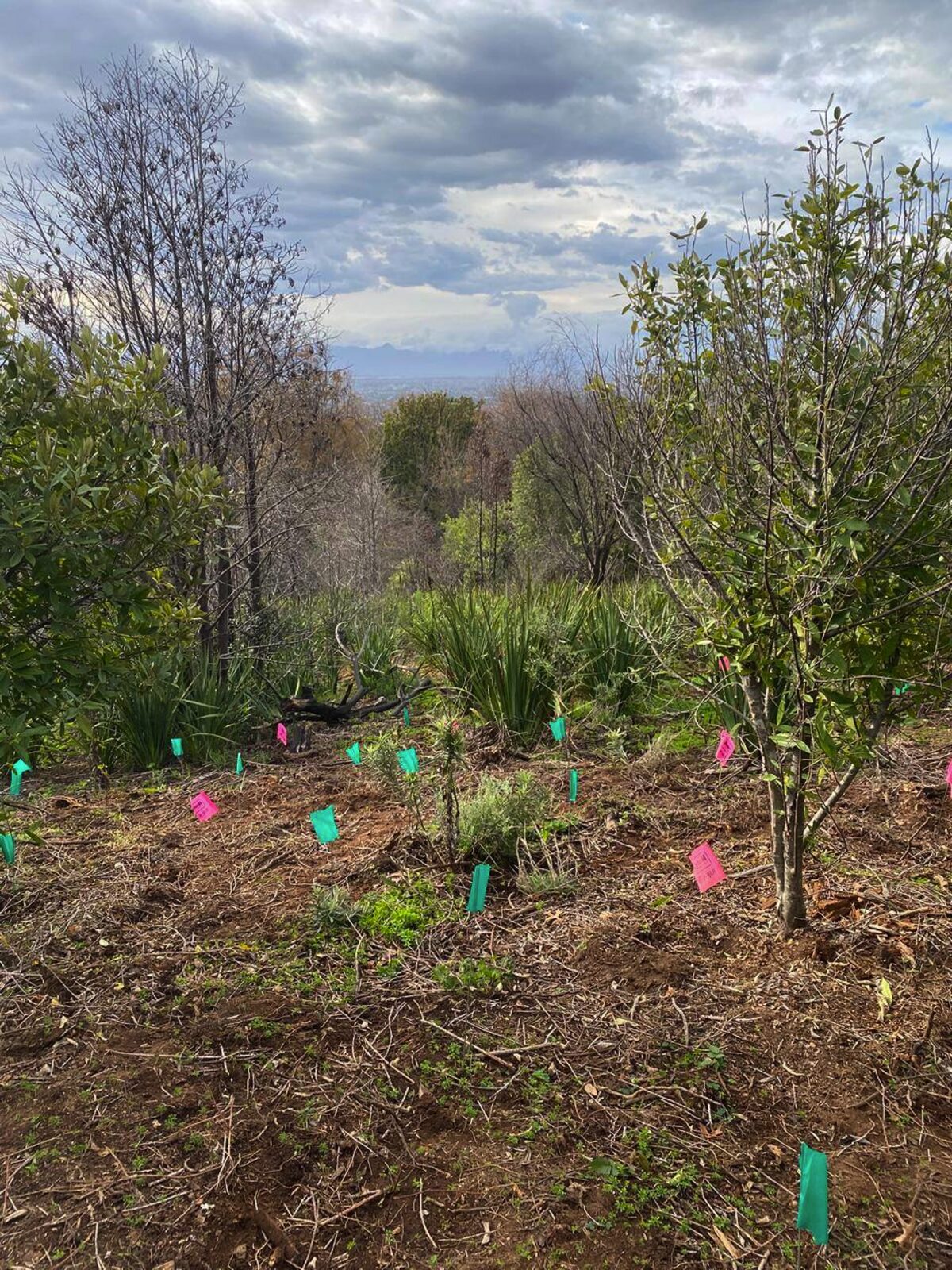
The South African National Parks (SANParks) has planted more than 300 indigenous trees in the Newlands Forest. The organisation described the effort as part of its ongoing ecological restoration work in Table Mountain National Park.
A milestone for the forest
The latest phase of the rehabilitation programme took place on Tuesday, 3 June. It forms part of a broader initiative to restore damaged areas of the forest and improve long-term environmental resilience.
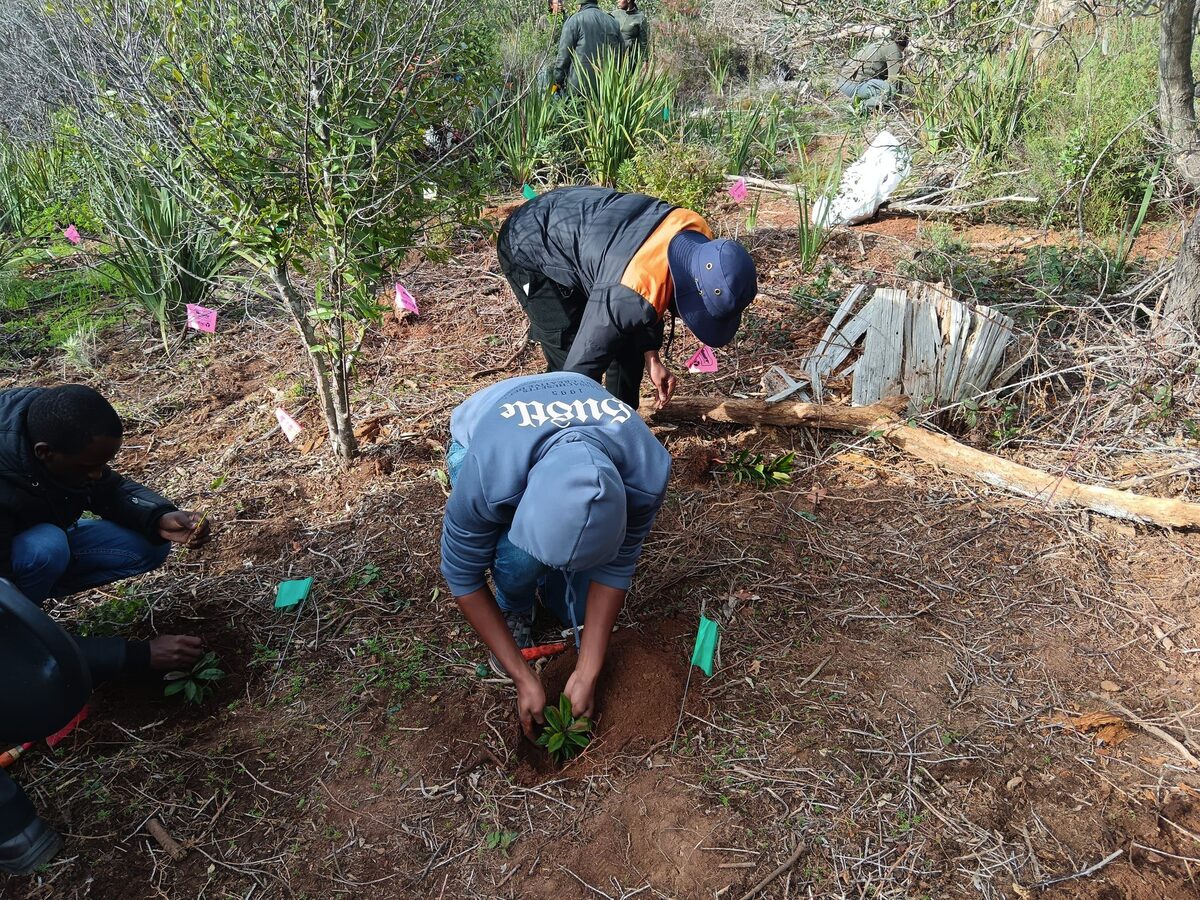
A team from SANParks’ Cape Research Centre led the planting effort. Ranger teams and volunteer students from the Cape Peninsula University of Technology (CPUT) supported them. Together, they planted 300 Cape Beech seedlings (Rapanea melanophloeos), also known locally as Boekenhout.
“The planting of more than 300 Cape Beech seedlings in Newlands Forest marks another significant milestone in our long-term commitment to restoring and protecting this precious ecosystem,” said Lauren Howard Clayton, acting senior communications manager for SANParks’ Cape Region.
Building on previous phases
This planting follows earlier phases carried out in June and July last year. During those phases, SANParks and key stakeholders introduced more than 150 indigenous trees. The initiative aims to restore ecological balance in Newlands Forest. It also addresses ongoing environmental pressures, including bark stripping.
Early signs of success
Monitoring of previously rehabilitated sites has shown encouraging results. The 150 seedlings planted last year along the Woodcutters Trail have recorded strong growth and survival rates.
“We are encouraged by the strong growth observed along the Woodcutters Trail. This is early but meaningful evidence that our efforts are working. Newlands Forest faces real and ongoing pressures, and it is our responsibility to respond with sustained, science-led action,” Howard Clayton said.
A forest under threat
The Newlands Forest Conservation Group supports efforts to restore naturally forested areas. It backs the planting of indigenous trees where bark stripping has killed mature specimens. It also supports planting in areas that opened up after the removal of invasive alien vegetation.
“These initiatives play a vital role in preserving the indigenous Afro-montane forest ecosystem,” said Willem Boshoff, co-founder of the Newlands Forest Conservation Group.
Boshoff said illegal bark stripping had destroyed hundreds of indigenous trees over the past two decades. This makes planting indigenous saplings a critical part of conservation efforts. “Assisting the forest’s natural recovery through the planting of indigenous saplings aligns with our long-term vision of a pristine, resilient, and healthy indigenous forest,” he said.
He warned that alien invasive plants, bark stripping and the illegal harvesting of indigenous plants continued to threaten the forest. “Ongoing enforcement, public awareness, and conservation efforts are necessary to protect this unique natural asset,” Boshoff said.
Acknowledging key partners
Boshoff acknowledged the role of key partners in the broader restoration effort. “We need to acknowledge the valuable work being undertaken by SANParks, the Honorary Rangers, and particularly the Sugarbird Project. Their continued efforts to remove alien invasive species from Newlands Forest and the surrounding areas are critical to the restoration and preservation of both the indigenous Afro-montane forest and the endangered Peninsula Granite Fynbos ecosystem,” he said.
Boshoff said these initiatives were safeguarding one of Cape Town’s most important natural environments for future generations.
Commitment going forward
SANParks will continue monitoring all restored sites. The organisation also runs environmental awareness and education programmes to support its conservation work. “Through programmes like this, SANParks remains firmly committed to securing the health and biodiversity of Table Mountain National Park for generations to come,” Howard Clayton concluded.
ALSO READ: Table Mountain National Park closure SANParks shuts trails amid severe weather