


An intelligence-driven enforcement operation led by the South African National Parks (SANParks) Environmental Crime Investigation (ECI) unit resulted in the arrest of 12 suspects for attempted abalone poaching in the Cape Point section of Table Mountain National Park.
The suspects were later detained at Simon’s Town police station, where a criminal case was formally opened.
They appeared in the Simon’s Town Magistrates’ Court on Thursday 11 June, facing charges related to attempted illegal harvesting of abalone and trespassing within a protected area.
Operation
The operation was carried out on the evening of Tuesday 9 June as part of ongoing follow-up investigations into a broader case involving illegal marine resource exploitation along the Western Cape coastline.
According to authorities, SANParks ECI teams acted on information and intercepted two suspicious vehicles en route to the Cape Point area within Table Mountain National Park.
The vehicles were stopped and searched before the suspects could enter the protected marine environment.
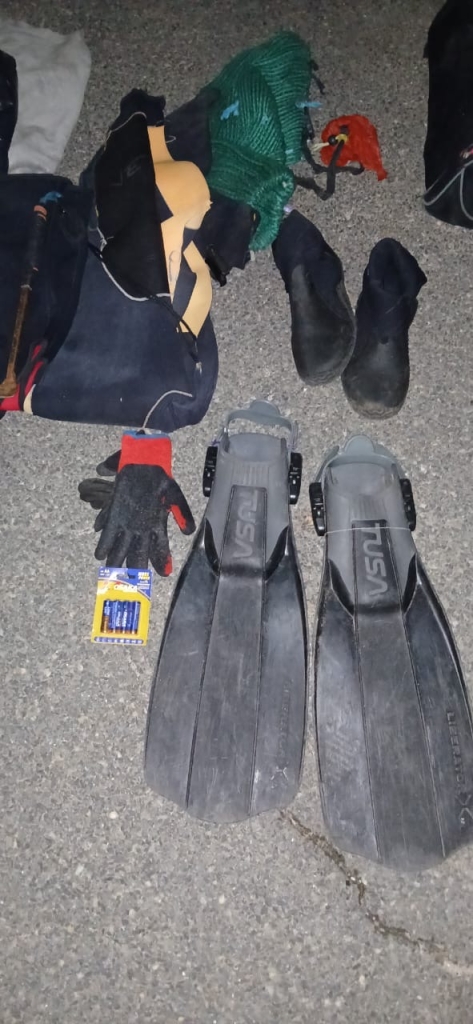
During the search, officers discovered a substantial quantity of diving equipment, which was believed to have been prepared for illegal abalone harvesting.
Recovered items
The equipment indicated that the group had been fully equipped for underwater collection activities, which were strictly prohibited within the protected area.
All 12 individuals were arrested on site and taken into custody.
The diving equipment used in the attempted operation was seized by authorities as part of the investigation.
SANParks confirmed that the arrests formed part of a wider intelligence-led strategy aimed at disrupting organised environmental crime networks targeting marine resources within Table Mountain National Park and surrounding coastal zones.
Officials described the operation as a significant success, noting that it had prevented a coordinated group from entering the park and carrying out illegal harvesting activities, said SANParks spokesperson JP Louw.
Authorities emphasised that such interventions were critical in protecting vulnerable marine species and maintaining ecological balance within South Africa’s coastal ecosystems.
Environmental authorities reiterated that abalone poaching remained a persistent challenge along the Cape coastline, driven by high demand for the marine resource in illegal trade networks.
Patrols
SANParks and partner law enforcement agencies continued to intensify patrols, surveillance, and intelligence operations in known hotspot areas.
The Cape Point section of Table Mountain National Park, which formed part of a Unesco-recognised natural environment, was considered a high-risk zone for marine poaching due to its biodiversity and proximity to urban centres.
SANParks stated that continued collaboration between enforcement units, police services, and environmental agencies remained essential in curbing illegal exploitation of marine resources.
The organisation also encouraged the public to report suspicious activity to support ongoing conservation efforts.
ALSO READ: Grassy Park teen selected to represent South Africa in baseball


You must be logged in to post a comment.