South Africa’s national botanical and zoological gardens face growing infrastructure challenges due to years of underinvestment, ageing facilities and rising demand, the Portfolio Committee on Forestry, Fisheries and the Environment heard on Wednesday 12 August.
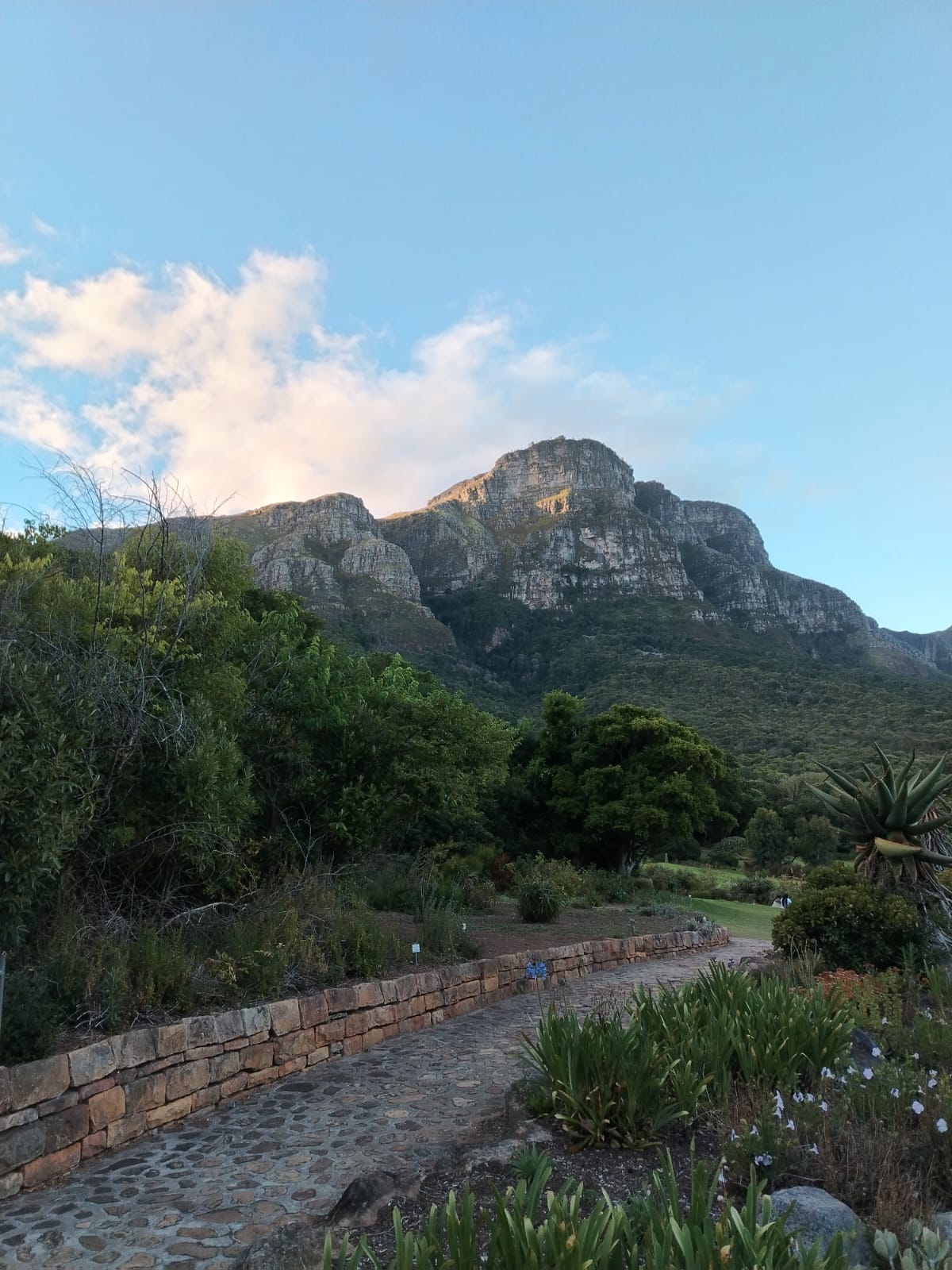
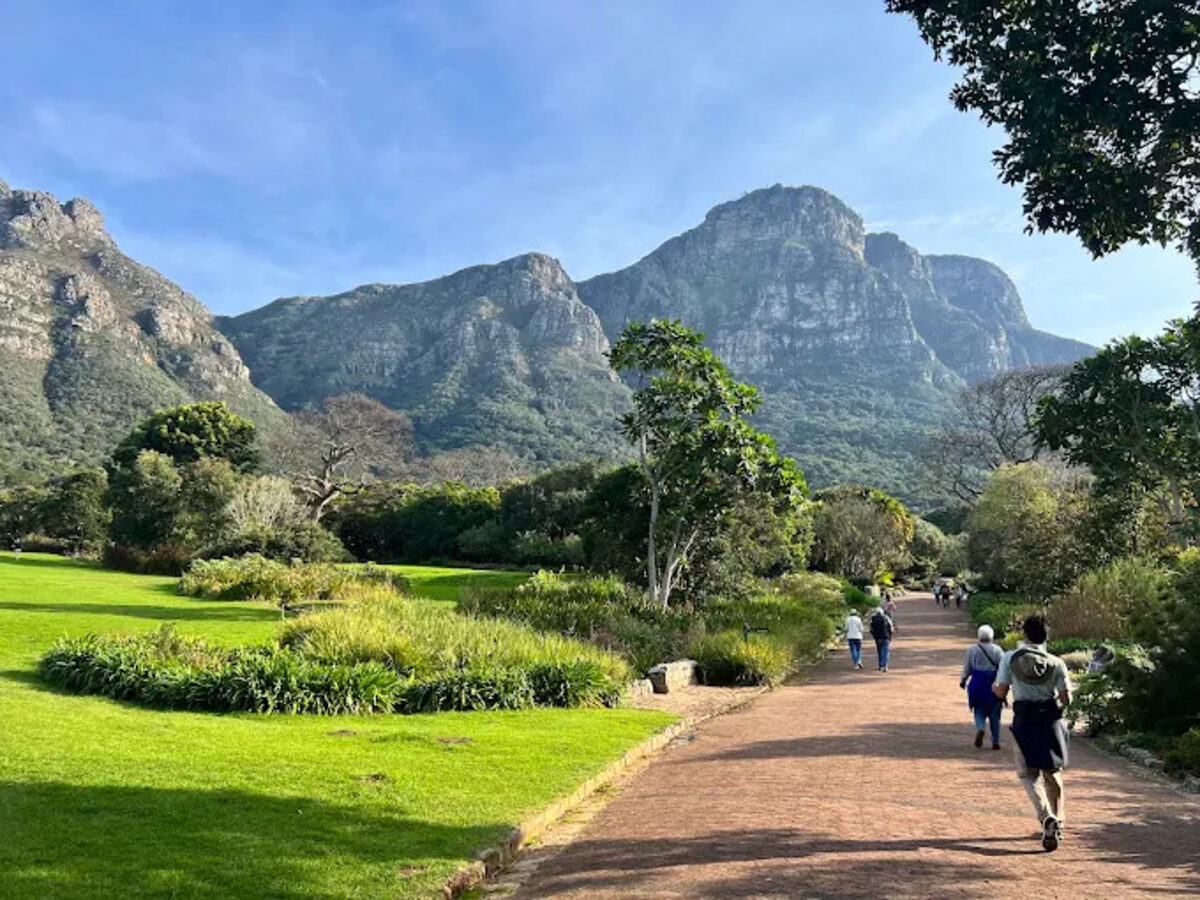
Managed by the South African National Biodiversity Institute (SANBI), the gardens, including Kirstenbosch National Botanical Garden, play a key role in conservation, research, education and tourism, while also supporting local economies and jobs.
Funding gap
However, the gap between funding and need is substantial: The Department of Forestry, Fisheries and the Environment (DFFE) allocated R180 million in 2024/25.
Meanwhile, the projected infrastructure requirement for 2027/28 alone is R741 million. Officials expect the backlog to reach R839 million by 2029/30.
This shortfall hampers maintenance of water systems, security, electricity, roads and visitor amenities. In addition, many gardens date back over a century. Their ageing infrastructure needs urgent restoration for safety and accessibility.
Competing demands
Therefore, SANBI must balance commercial activities with conservation and education. While events, restaurants and plant sales generate revenue, they also add complexity to infrastructure planning. Green energy and water conservation initiatives also need significant upfront investment and current budget limits make this investment difficult to secure.
The funding shortfall is also affecting staffing, with critical vacancies in horticultural and technical roles limiting SANBI’s ability to maintain its infrastructure. While volunteer support and public-private partnerships help, they cannot replace sustained investment.
Despite these challenges, SANBI has completed the Boomslang walkway and upgraded research and visitor facilities. Its ongoing projects include solar installations, irrigation upgrades and enhanced security.
“The infrastructure challenges of South Africa’s national botanical gardens require urgent, coordinated action from government, donors and stakeholders to secure the financial and operational resources necessary for long-term sustainability,” said committee chairperson Nqabisa Gantsho.
As a result, without increased funding, infrastructure deterioration threatens the gardens’ role as centres for biodiversity, tourism and community engagement.
Elephant management shift
In addition, the committee also heard about elephant management in the North West. The Provincial Elephant Task Team (PETT) presented its final report on Madikwe Game Reserve and Pilanesberg National Park.
Both reserves are vital for conservation, tourism and community development. Climate variability and drought have intensified the impact of growing elephant populations.
PETT reviewed existing management information, analysed population trends and assessed current interventions. Its findings were informed by data analysis, site visits and engagement with stakeholders.
A key shift is moving from managing elephant numbers to managing their ecological impacts. The report says elephant behaviour and location have a greater effect on biodiversity and communities than population size.
Different approaches
For Madikwe, where ecological change is already evident, PETT recommends urgent action. The strategy includes targeted removals, contraception, habitat restoration and water management. The aim is to reduce foliage use by 10% over five years.
In contrast, the ecosystem in Pilanesberg remains dynamic. PETT proposes proactive contraception and limited removals to maintain current foliage use levels. Furthermore, both reserves will implement monitoring systems, including annual population counts, dung surveys and biodiversity assessments.
PETT also highlighted protecting tourism quality, supporting community small businesses and safeguarding cultural sites. Additionally, the task team recommended strengthening governance through oversight committees and stakeholder forums.
Ultimately, the PETT report says prioritising ecological impacts and stakeholder participation can help Madikwe and Pilanesberg balance conservation, tourism and community benefits.
ALSO READ: Kirstenbosch Inspection: Minister Aucamp and botanist find mismanagement claims overstated