

A Rondebosch doctor runs a free monthly clinic for patients who cannot afford private healthcare.
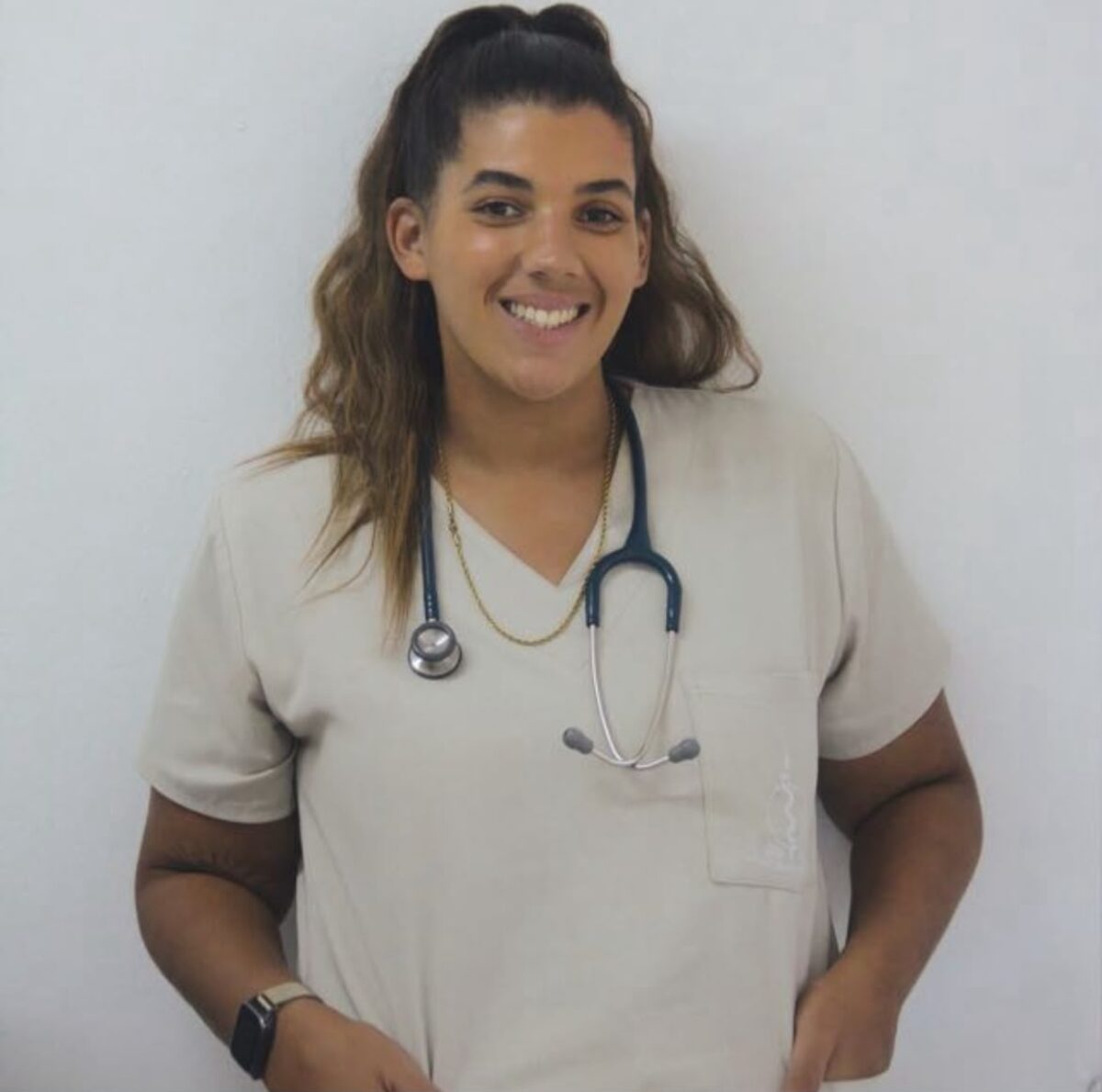
Dr Hannah Rose Abrahams-Crocker (29) opened her practice at 5 Duke Road, Rondebosch, in February last year after completing her community service in October 2024.
“Because of what is happening in the job market in South Africa, I came out of community service at the end of 2024 in October, and in as much as I didn’t like the idea of working for someone else, I decided to open my own practice,” she said.
How it started
The Open Door Clinic started on Mandela Day in July last year. Abrahams-Crocker saw colleagues posting their community initiatives online. However, her practice was still new and she could not afford to give back financially.
“Last year, Mandela Day, people were posting what they were doing. I didn’t have the funds to give back as it was still early stages of the business,” she said.
“I decided to do something not monetary to give my time and my advice. Many appreciated it.”
Since then, the clinic has run every month. Furthermore, demand has grown over the past 14 months.
Patient numbers
Abrahams-Crocker sees between 10 and 15 patients per clinic day. This depends on how complex the cases are.
“The demand has grown since we started and they have pushed quite hard,” she said.
Each patient receives a free 20-minute consultation. This covers history, examination, diagnosis and referral. There is no charge.
However, patients may contribute towards their consultation if they wish.
Procedures and diagnostic tests are billed at cost price.
Some patients want to contribute, and that is where the pay-what-you-can model comes in.
Abrahams-Crocker said she goes into each clinic day knowing it is a day without income. Nevertheless, her patients’ contributions make it worthwhile.
Common health concerns
Women’s health, skincare and mental health are among the most common concerns patients present with. Gynaecological issues and sports injuries are also frequent. Resource constraints at government clinics drive many patients to seek private care, she said.
Running the clinic is not without difficulties. Administration takes up most of her time, and news of the clinic has spread quickly bringing more demand than she can always meet.
Furthermore, she can only diagnose. Getting patients into the government health system for further treatment remains a hurdle.
“Not getting patients in the government system is another challenge, because there is only so much that I can do,” she said. “I can diagnose, but I need patients to get into the government system.”
Managing patient expectations is also difficult, she said. There is only so much she can offer in a single consultation.
Giving back
Abrahams-Crocker was supported through her medical studies by the Harry and Doris Crossley Foundation and the Raymond Ackerman Foundation.
“I was in med school and I finished because I was helped by people who took a chance on me,” she said.
“This is my way of having my connection to people and to give back, to accessible healthcare, helping in the same way I was helped.”
Community support
The clinic depends on the practice staying financially healthy to keep running.
“The more patients we see on a regular basis, the more we will be able to help,” she said.
She has also set up crowdfunding support for patients who need treatment but cannot afford it. She asks for donations from the community.
Patients who need a new general practitioner can support the initiative by booking regular consultations at the practice.
Growing team
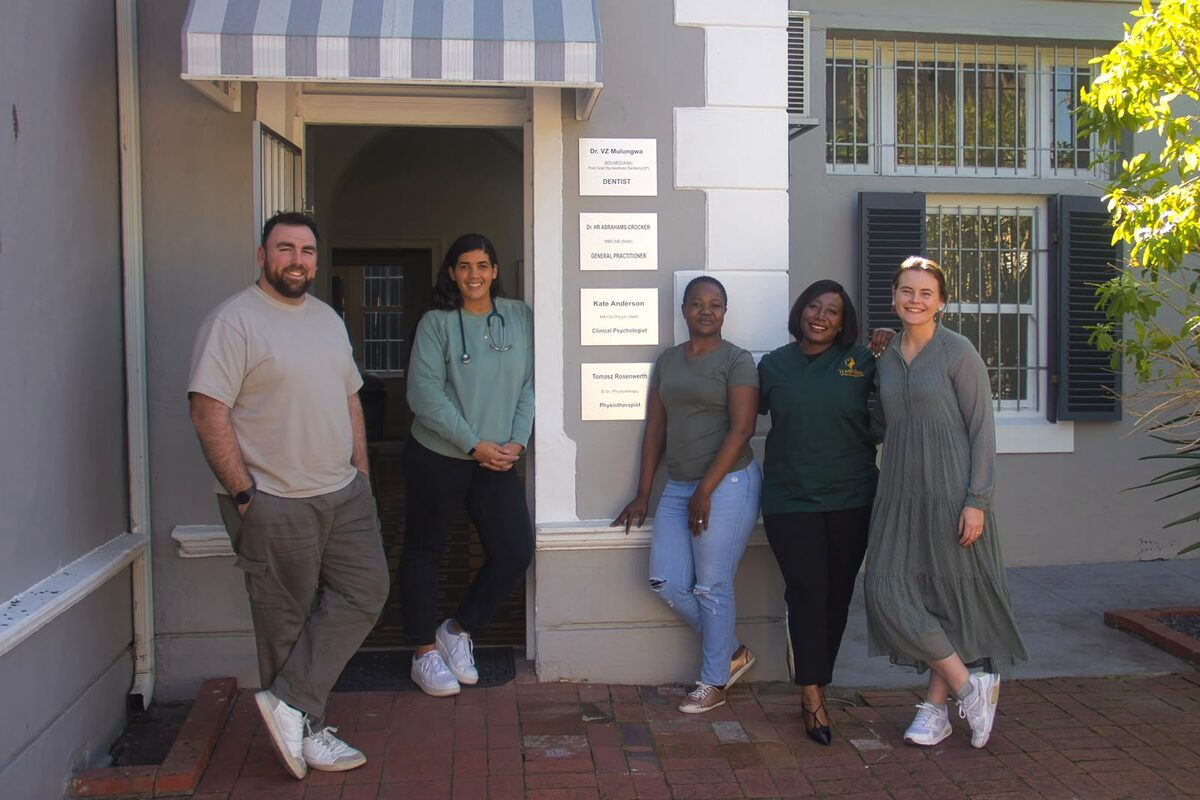
The initiative has grown beyond a solo effort. Abrahams-Crocker now works alongside other healthcare professionals who have joined the clinic. She hopes the team keeps growing.
. Healthcare professionals can contact her at drhrac@icloud.com.

You must be logged in to post a comment.