“Does it make historical sense?”
“Does it make political sense?”
“Does it make moral sense?”
Perhaps these are questions we should ask ourselves before deciding what and whom we believe in. Especially as young South Africans how often do we stop to ask where the ideas we support come from? Can they actually work? And if they do are they right?
Or, do we simply ask whether they sound good, speak to our frustrations or are better than the alternative?
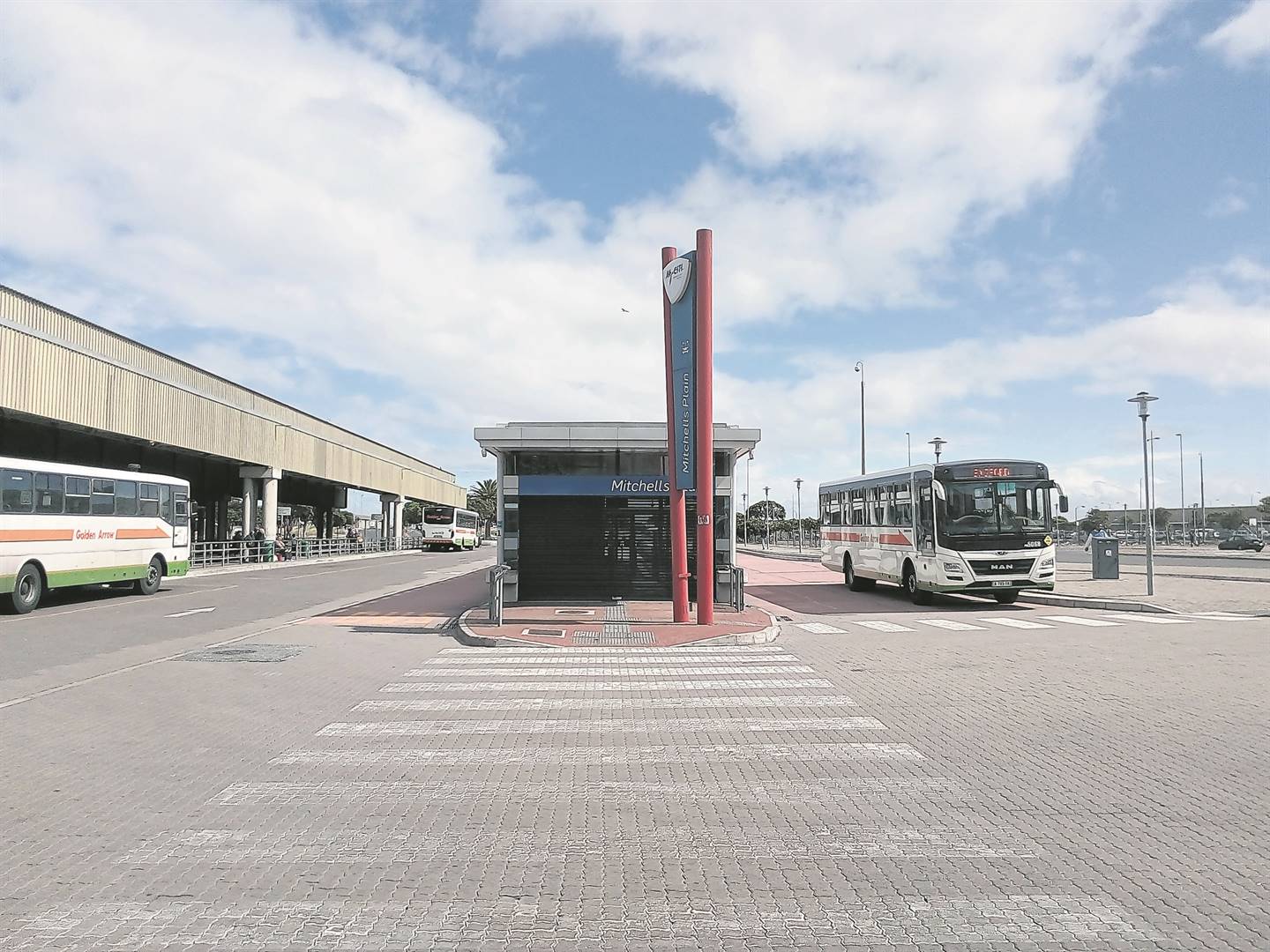
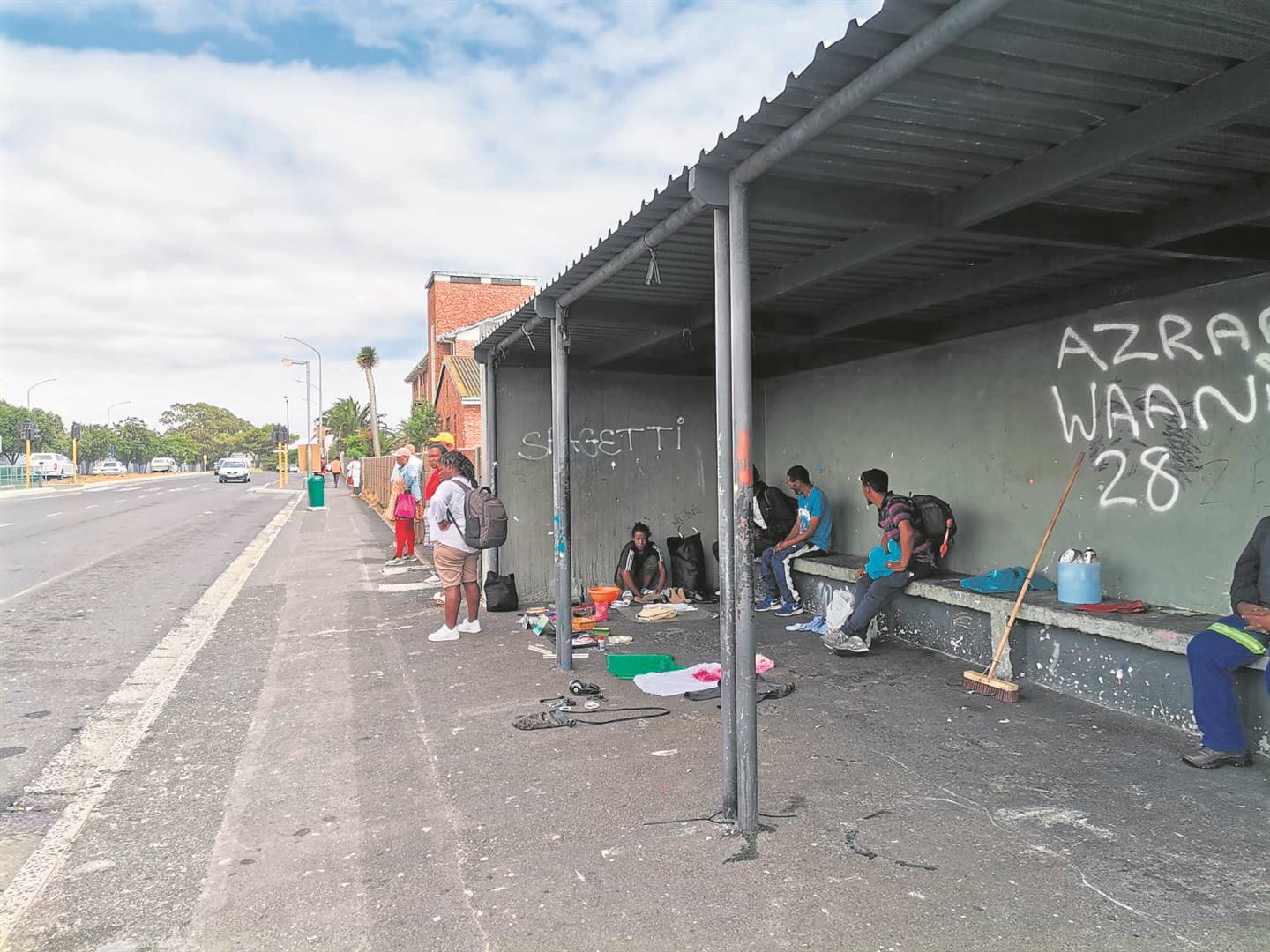
This makes me think about a bus.
If I were standing at a bus stop I would want to know where the bus was going before I got on. But the destination would not be enough. I would want to know who was driving, which route we were taking, whether the bus had made the journey before and what condition it was in. I would look at the road ahead. Politics is not so different.
As South Africa moves towards the 2026 local government elections, political parties will ask us to get on board. They will offer different destinations: better services, more jobs, economic freedom, transformation, equality and safer communities.
But a destination on a sign does not tell us everything about the journey. The voter has to examine the driver, the route, the vehicle, the previous journeys and the road ahead.
For young people this matters because political identities can be inherited long before political beliefs are properly examined. We may support a party because our parents do. We may reject one because of what we have experienced. Some may be drawn to another because it speaks to our anger or our hopes.
There is nothing wrong with that. But at some point, we have to ask: What do I actually believe?
Does it make historical sense?
South African politics cannot be separated from our history. Colonialism and apartheid shaped who held political power, who owned land, who had access to quality education and where people could live and work. The liberation struggle and the transition to democracy shaped the political order that followed. That history still influences how many vote.
For many South Africans the ANC’s history as a liberation movement remains an important part of its political identity. For others, its record in government carries more weight.
The EFF has found support among voters frustrated by inequality, land ownership and economic exclusion, while the DA has built its political identity around liberal democracy, constitutionalism, individual rights, private enterprise and effective government.
In the Western Cape the Patriotic Alliance has gained support around issues including crime, migration, identity and political representation.
These parties offer different answers to the question of what South Africa should become.
Understanding where those ideas come from does not mean agreeing with them.
Books such as Frantz Fanon’s The Wretched of the Earth and Walter Rodney’s How Europe Underdeveloped Africa continue to influence debates about colonialism, power and economic inequality. They remind us that many of today’s political arguments have deep historical roots.
We cannot understand the road ahead if we refuse to look at the road behind us.
Does it make political sense?
Then comes the practical question . Can it work? A party can promise jobs. How will those jobs be created? It can promise housing. Where will the money, land and infrastructure come from?
It can promise redistribution. How will wealth continue to be created?
It can promise better policing. How will it improve safety while protecting people’s rights?
These are not unreasonable questions. They are part of being a voter.
A slogan is not a plan. A promise is not a guarantee.
Local government makes this particularly clear. Politics is visible in our daily lives: whether the bins are collected, whether the lights stay on, whether water reaches our homes, whether roads are maintained and whether housing is available.
These are not simply administrative issues. They involve choices about money, priorities and responsibility.
That is why parties should be judged by what they say and what they do with power.
The DA has governed the Western Cape since 2009 and Cape Town since 2006. Its record can therefore be measured against its promises.
The same standard must apply to every party.
The ANC’s history does not place it beyond criticism. The EFF’s concerns about inequality do not mean its solutions should go unquestioned. Likewise, the PA’s concerns about crime and migration do not remove questions about constitutional rights and social cohesion. No party should receive a free pass.
Does it make moral sense?
This may be the hardest question: Even if it works, is it right? A policy can be effective and still cause harm. A movement can begin with a legitimate grievance and still become unjust. A government can deliver economic growth while leaving people behind. Politics is not only about what we want to achieve. It is also about what we are willing to do to other people to achieve it.
The left must consider the risks of giving the state too much power. The right must confront the consequences of severe inequality.
The centre must ask whether compromise is useful or simply an excuse to avoid difficult decisions. Every political tradition has questions to answer.
Know yourself before choosing the bus
Perhaps we spend too much time deciding what we are against and not enough time deciding what we are for.
“Anyone but them” is not a political philosophy.
Disliking one bus does not mean the next one is going in the right direction.
As young South Africans, we have an opportunity to develop political beliefs of our own rather than simply inherit them.
Perhaps our task is not to inherit political identities unquestioned, but to know ourselves well enough to interrogate the politics we encounter to know what we value, what we stand for and what we are unwilling to compromise.
That does not mean avoiding political parties or movements. Democracy depends on people organising around ideas and working together.
It means knowing why we are there.
If I believe in accountability, I should demand it from the party I support. If I believe in human dignity, that principle should not change depending on who is affected. Yet if I believe in democracy, I must accept that someone else can vote differently from me.
And if I change my mind after learning something new, that does not make me disloyal. It may mean I have thought more carefully.
Before we get on the political bus, perhaps we should ask more than where it says it is going.
Who is driving? What route are we taking? Where has this bus taken its passengers before? And, looking at the road ahead, can we foresee where it is likely to take us?
We may never know exactly where the journey will end. But we can choose whether the driver, the route and the direction are ones we are willing to trust.
ALSO READ: Opinion | Hope, hardship and the gap between economic promises and daily reality