

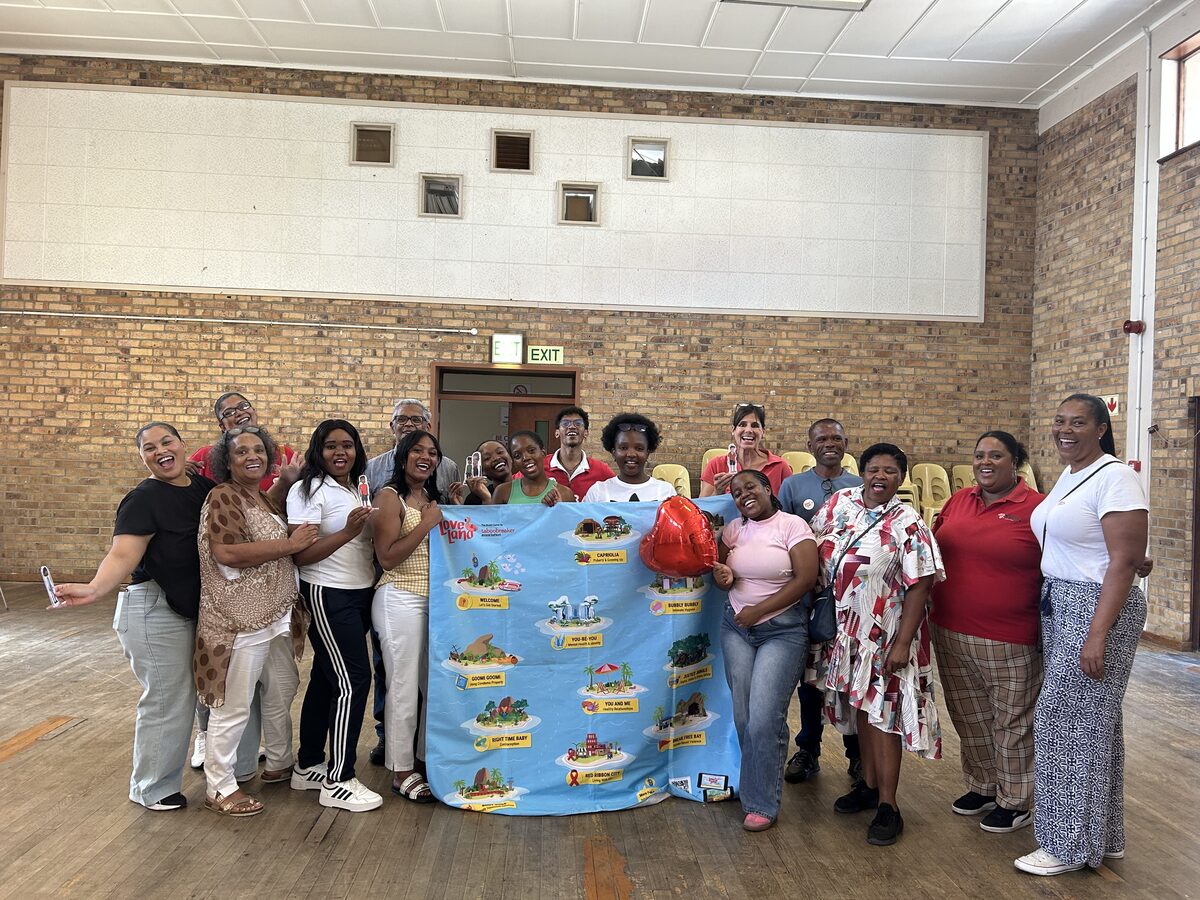
A Lotus River-based non-profit organisation, New Heritage Foundation (NHF), is reshaping how young people learn about mental and sexual health, using play, technology and collaboration to tackle long-standing stigma across South Africa and beyond.
NHF has recently launched its annual She Matters Campaign, a two-month initiative running from April to May in recognition of International Menstrual Health Month, aimed at tackling period poverty and restoring dignity to young girls.
NHF is dedicated to ending period poverty.
It focuses on period impact initiatives, aiming to ensure no young girl or woman is left behind due to menstruation.
Youth empowerment
The group was recently recognised for making significant strides in advancing gender equality and youth empowerment after receiving an award at the Voice and Choice Summit.
This time the NPO is partnering with another activist group, Taboobreaker SA, who are leading a growing movement to provide young people with honest, accessible and stigma-free health education.
Through this collaboration with NHF the organisation is now expanding its reach across multiple African countries through an innovative pilot programme, said NHF founder Chantelle Goliath.
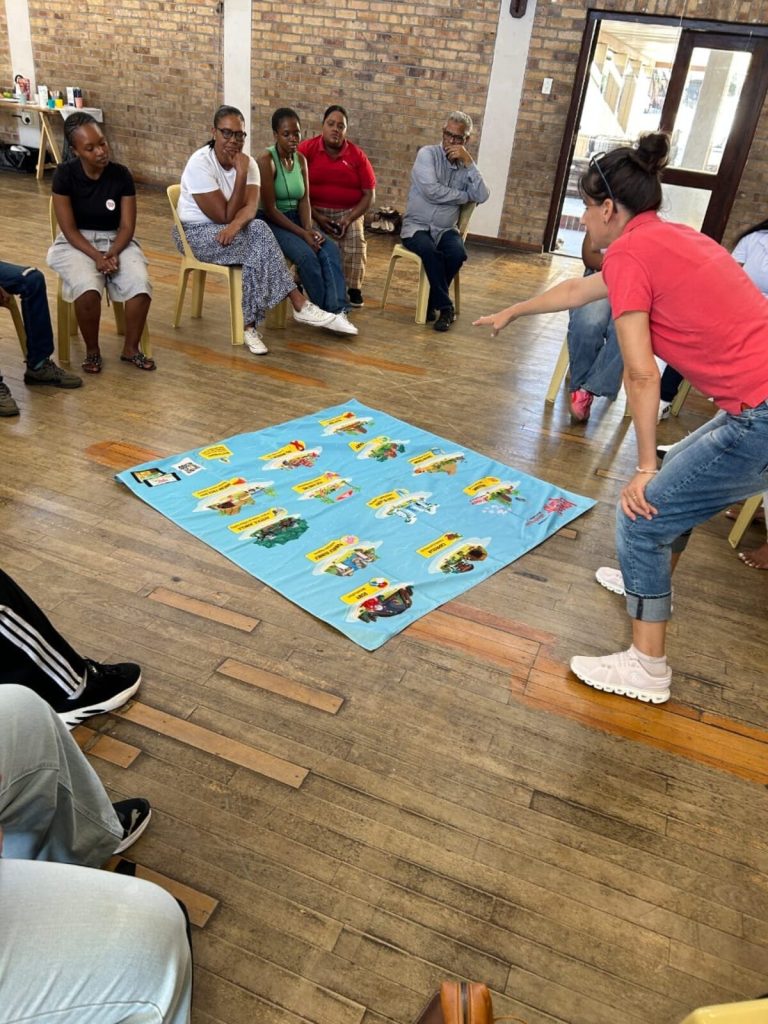
At the heart of the initiative is Love Land, a hybrid learning platform designed to meet young people where they are, whether online or in community spaces.
Combining a free mobile app with an interactive board game, Love Land offers a flexible approach to education that works across different environments, including those with limited access to connectivity.
Ending stigma
Karin Stierlin, the founder of Taboobreaker, said the idea emerged from frustration with traditional health education systems that often rely on outdated, fear-based messaging.
“Too many young people are left without real answers to important questions about their bodies, relationships and well-being,” she explained.
“We wanted to create something that feels safe, relevant and engaging.”
What sets Love Land apart is its youth-led design.
Young people were actively involved in shaping the platform, from naming it to defining what a safe learning space should look like.
Innovative learning
The result is a tool that resonates deeply with its audience, encouraging curiosity, openness and confidence without shame.
The Love Land app allows users to explore topics such as mental health, relationships and sexual well-being privately and at their own pace.
With more than 8 000 organic downloads and no paid promotion, it reflects a clear demand for accessible, judgement-free information.
Complementing the app is the Love Land Board Game, which brings people together in facilitated group settings.
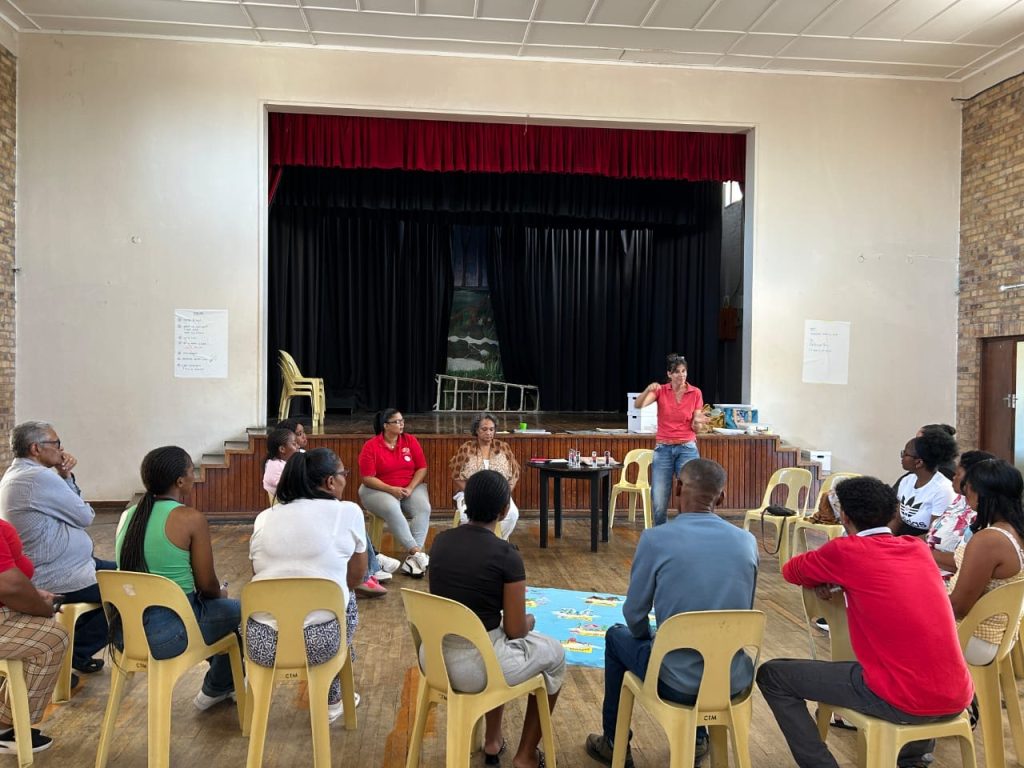
Designed for use in schools, community halls and NGO programmes, the game creates a shared space for conversations that are often considered too uncomfortable or taboo to address directly.
Players move through themed “islands” covering key topics such as puberty, consent, communication, identity and emotional well-being.
While the subject matter is serious, the game-based format makes discussions more approachable and engaging.
“The topics are big, but the experience is playful,” said Stierlin.
Expanding impact
“That combination allows people to ask questions they might otherwise avoid and to really connect with the material.”
The initiative is currently being tested through a large-scale pilot project spanning several South African provinces, including Northern Cape, KwaZulu-Natal and Eastern Cape.
“We are expanding this game for corporates who want to do wellness programmes and hope to reach more schools so we can further develop not just learners but teach parents how to play the game and see how impactful it is and be able to share that knowledge with their children and understand the crisis young people are being faced with.”
Beyond South Africa, partner organisations in countries such as Rwanda, Kenya, Lesotho, Tanzania, Mauritius and Zambia are also participating.
The aim of the project is not only to evaluate how the game works in different contexts, but also to build a collaborative network of organisations focused on youth well-being.
By sharing insights and experiences, these partners can strengthen their collective impact. One of the standout collaborators is the NHF.
Opening conversations
At a recent workshop NHF representatives highlighted the value of Love Land as a tool for opening conversations.
The organisation has found the game particularly effective in creating safe, inclusive spaces for discussion.
For NHF the partnership enhances its existing work by providing a new, interactive way to engage young people on sensitive topics.
For Taboobreaker it reinforces the importance of working with organisations that understand the needs of their communities.
Early feedback from the pilot suggests that the approach is working.
Future goals
Young people are engaging more openly, adults are participating in discussions, and conversations previously avoided are beginning to take place.
“There is something powerful about learning through play,” Stierlin said.
“When you remove the pressure of formal teaching people show up differently. They listen, they ask questions, and they leave feeling more equipped.”
Looking ahead, Taboobreaker SA is seeking to expand its network of partners, funders and community leaders to scale the initiative further.
The goal is clear: to ensure no young person grows up without the knowledge they need to make informed decisions about their health and well-being.
ALSO READ: She Matters campaign supports girls with sanitary products

You must be logged in to post a comment.