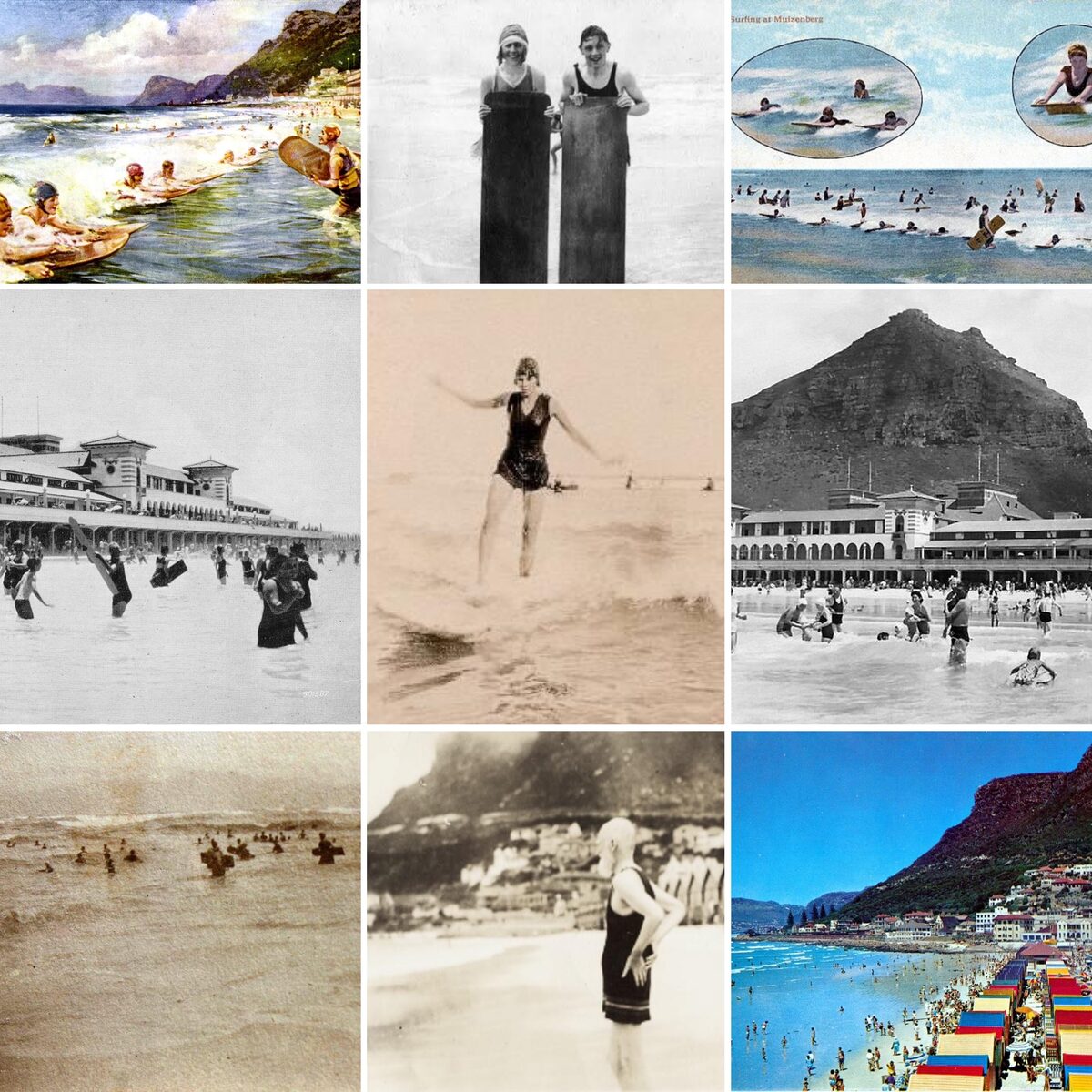
Residents and avid surfers can look forward to exploring Muizenberg’s rich history and long-standing fascination with surfing this month.
To celebrate the area’s historic love affair with surfing, Muizenberg Heritage will display a draft copy of its upcoming exhibition, titled “Surfing – a living Muizenberg Heritage,” at the historic Het Posthuys Museum on Main Road on Saturday 19 September.
Extensive exhibition
The preview aims to encourage community dialogue and gather local feedback before the final launch.
The extensive exhibition has been researched and curated by Muizenberg Heritage chairperson, Brett McDougall, according to volunteer, Sue Stewart.
“Heather Price was the first surfer to be photographed riding a wave in Muizenberg in 1919. The sport soon became one of Muizenberg’s principal attractions and even well-known authors such as George Bernard Shaw and Agatha Christie visited, with Shaw remarking, ‘Surfing looks perfectly easy – but isn’t. You’re either vigorously cursing or idiotically pleased with yourself,’” said Stewart.
By the 1930s, Muizenberg was South Africa’s premier holiday destination, nicknamed “the ‘Brighton of South Africa’”.
Surf scene
“The growing number of surfers at Muizenberg, however, gradually led to conflict with the holidaymakers. Collisions between stray surf boards and swimmers attracted attention and surfers began to be regarded as a severe threat to public safety. So much so that in 1964, responding to public outrage, the Cape Town City Council passed a total ban on surfing in Muizenberg from Surfer’s Corner to the pavilion,” she added.
The surf scene was also affected by Apartheid laws and beaches were strictly segregated, under laws like the Reservation of Separate Amenities Act of 1953, where prime coastal areas were reserved for Whites; while vastly inferior and dangerous beaches were allocated to Coloured, Indian and Black population groups.
Despite considerable obstacles, the 1960s saw South Africa’s first recorded black surfers take to the waves.
Ahmed Collier started surfing at Nine Miles beach, east of Muizenberg — the only beach where “surfers of colour” could surf.
“Today Muizenberg beach provides recreational pleasure to all South Africans and a number of surf clubs, surfing schools and organisations ensure surfing is available to everyone. Surfers Corner hosts several prominent annual surf competitions that highlight not only local talent but women’s surfing and community development. Beachfront Surf shops and restaurants thrive and Muizenberg’s oldest surf shop, The Corner Surf Shop, founded by surfing enthusiast Peter Wright in 1971, still stands on the corner of Main and York Road,” she said.
Visitors are asked to say what additional information they think should be included and if they have photos, artefacts or stories they would like to share.
It is the dream of Muizenberg Heritage to turn this temporary exhibition into a permanent one.
For more information email info@muizenbergheritage.com.
ALSO READ: Muizenberg Heritage fires cannon to commemorate historic 1795 battle