

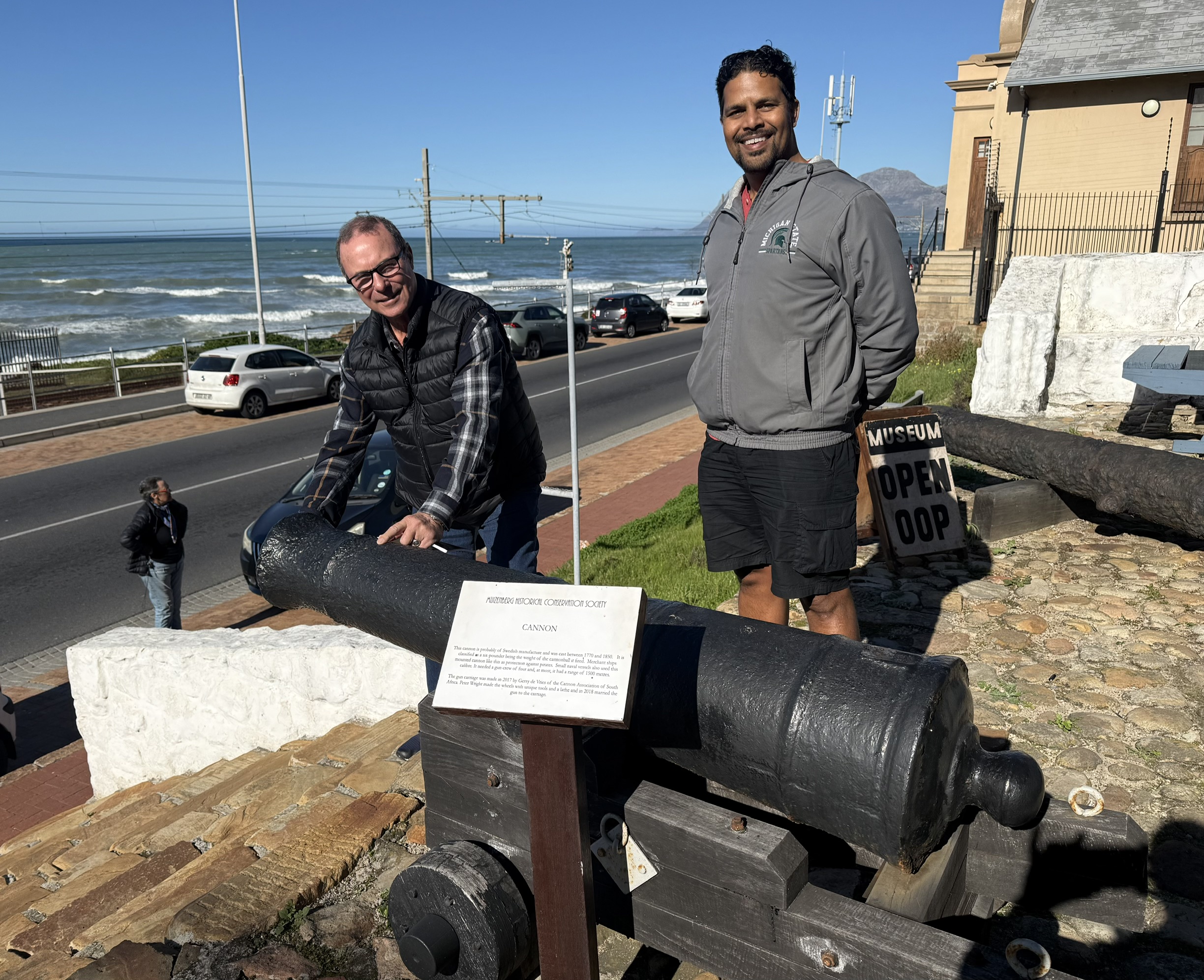
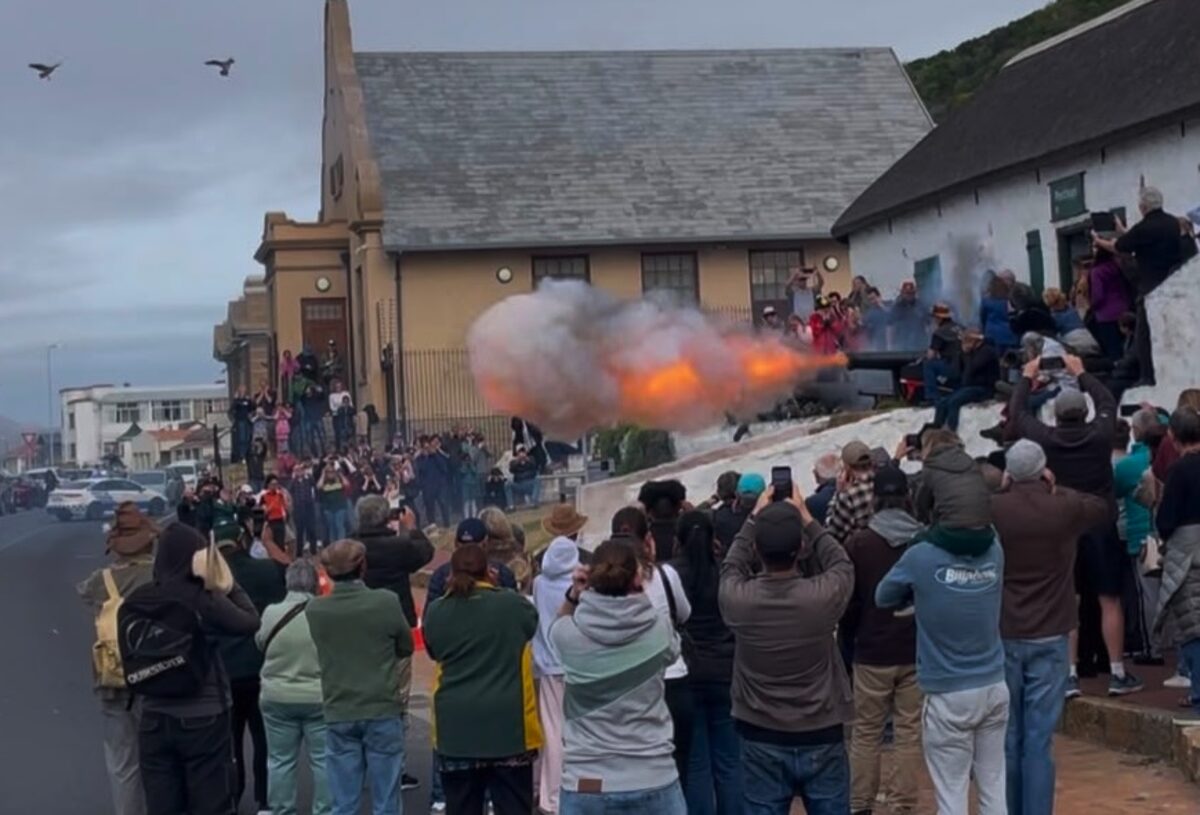
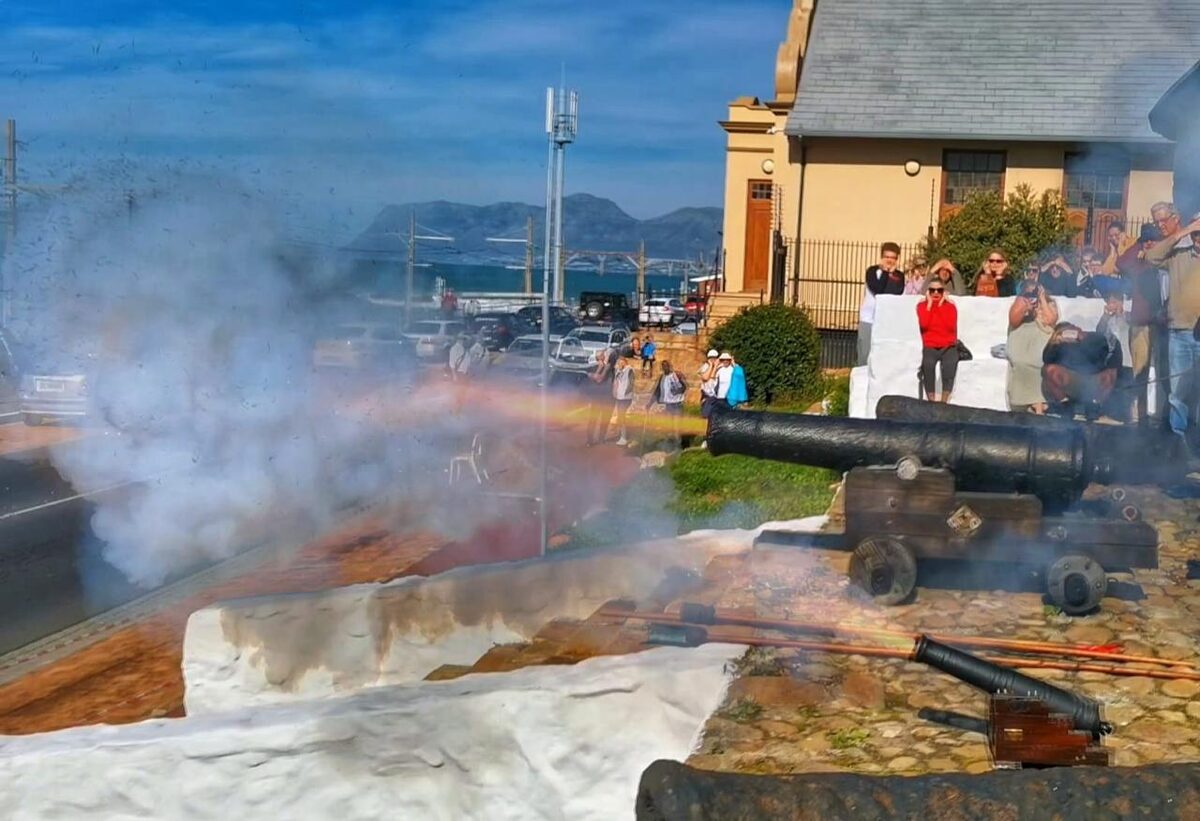
Muizenberg Heritage will once again commemorate the Battle of Muizenberg with a ceremonial cannon firing at Het Posthuys in Muizenberg on Main Road on Saturday 8 August.
The event, which will begin at noon, aims to bring local history to life while highlighting the importance of one of the battles that changed the course of South African history.
The Battle of Muizenberg, took place in 1795, when a British naval fleet attacked Dutch forces positioned on the slopes of the Muizenberg mountains.
The Dutch eventually surrendered the Cape, allowing Britain to gain control of the important Indian trade route.
Heritage status
The City of Cape Town has welcomed the official declaration of the Battle of Muizenberg site as a Provincial Heritage Site (PHS), describing the move as a significant step towards preserving the metro’s rich and layered past.
The site in Muizenberg was formally gazetted on Friday 27 March this year by Heritage Western Cape (HWC), following a nomination submitted by the City’s Environmental Management Department in 2024.
The application was made under Section 27(3) of the National Heritage Resources Act, with approval granted by the HWC Council in June last year.
Battle history
Evidence found along the False Bay coastline, including shell midden material, indicates that indigenous communities used the area long before Dutch settlement in the mid-17th century.
The heritage designation also protects key remnants of the 1795 Battle of Muizenberg, a conflict between Dutch and British forces that led to the first British occupation of the Cape.
Cannon ceremony
The commemoration will include presentations explaining the cannon-firing process, as well as historical information about the battle, the Het Posthuys site and the different nations involved.
Visitors will also be able to enjoy refreshments, celebratory cannon blasts across False Bay and a display by the Cape Town Society of Model and Experimental Engineers.
The firing will be overseen by the Cannon Association of South Africa (CAOSA), the only police-registered cannon organisation in the country permitted to conduct public muzzle-loading cannon firings.
CAOSA was established in 2005 and works to locate and preserve South Africa’s historic muzzle-loading cannons.
To date, the organisation has tracked 1 058 such cannons across the country.
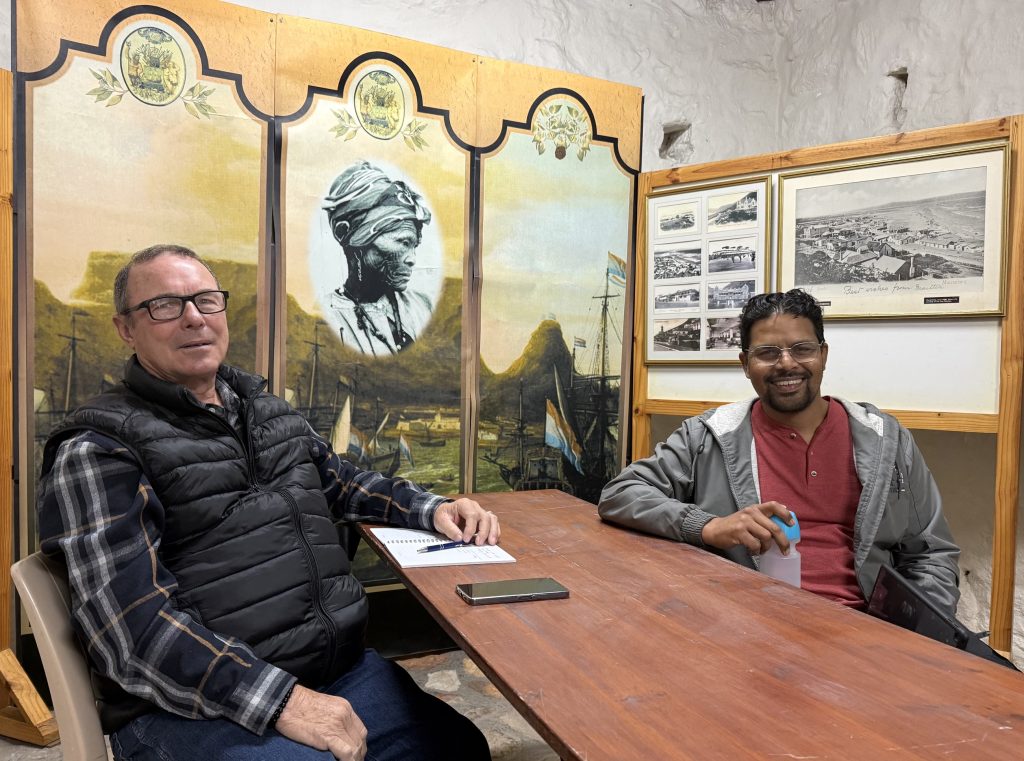
“The Battle of Muizenberg site higher up the mountain above Het Posthuys holds a history spanning centuries and is one of the most interesting historical sites on the False Bay coast,” says Western Cape tour guide, Chris Taylor.
“The oldest of all inhabitants on this site is a shell midden which has not been archaeologically examined but is certainly of Khoi/San origin and could go back thousands of years.”
CAOSA chairman and master gunner, Martin Venter reassured the public that the demonstration would be conducted safely.
He explained that British troops reportedly fired approximately 800 cannonballs from ships in False Bay during the battle.
CAOSA will fire the six-pounder cannon positioned in front of Het Posthuys, while CAOSA member Peter Wright will fire his quarter-pounder cannon.
However, no cannonballs will be used.
Indigenous voices
Instead, black powder will recreate the military firing process without launching projectiles.
“The Gri-Guriqua|Xam Research Institute is privileged to participate in the Battle of Muizenberg Commemoration and Cannon Firing Ceremony, contributing an indigenous historical perspective to this significant national heritage event,” says Dr Hermanus Smidt, CEO of the Gri-Guriqua|Xam Research Institute.
“The Institute’s presentation will honour the often-overlooked role of the Khoi people and the Corps Pandoeren in the Battle of Muizenberg, recognising their courage, military skill and contribution during a defining moment in South Africa’s history.”
Members of the public will therefore be able to witness the historic demonstration while safety precautions remain firmly in place.
The event will also feature an Indigenous historical perspective.
Dr Hermanus Smidt, CEO of the Gri-Guriqua|Xam Research Institute, said the organisation was privileged to participate in the commemoration.
Its presentation will focus on the often-overlooked role of Khoi people and the Corps Pandoeren during the Battle of Muizenberg, recognising their courage, military ability and contribution.
Western Cape tour guide Chris Taylor said the historic site above Het Posthuys contained layers of history dating back centuries. Among the oldest traces is a shell midden believed to be of Khoi/San origin.
Although it has not yet been archaeologically examined, the midden could date back thousands of years.
CAOSA will also promote its cannon call-up system, planned for Heritage Day on 24 August.
The initiative will link cannons across the Peninsula with the noon gun and extend the sound of the call-up to other parts of South Africa.
The public is welcome to attend.
For safety, visitors must follow CAOSA and traffic police instructions and keep the road and verge opposite Het Posthuys clear for the five minutes during which the cannon firing takes place.
ALSO READ: Battle of Muizenberg site declared a Provincial Heritage Site

You must be logged in to post a comment.