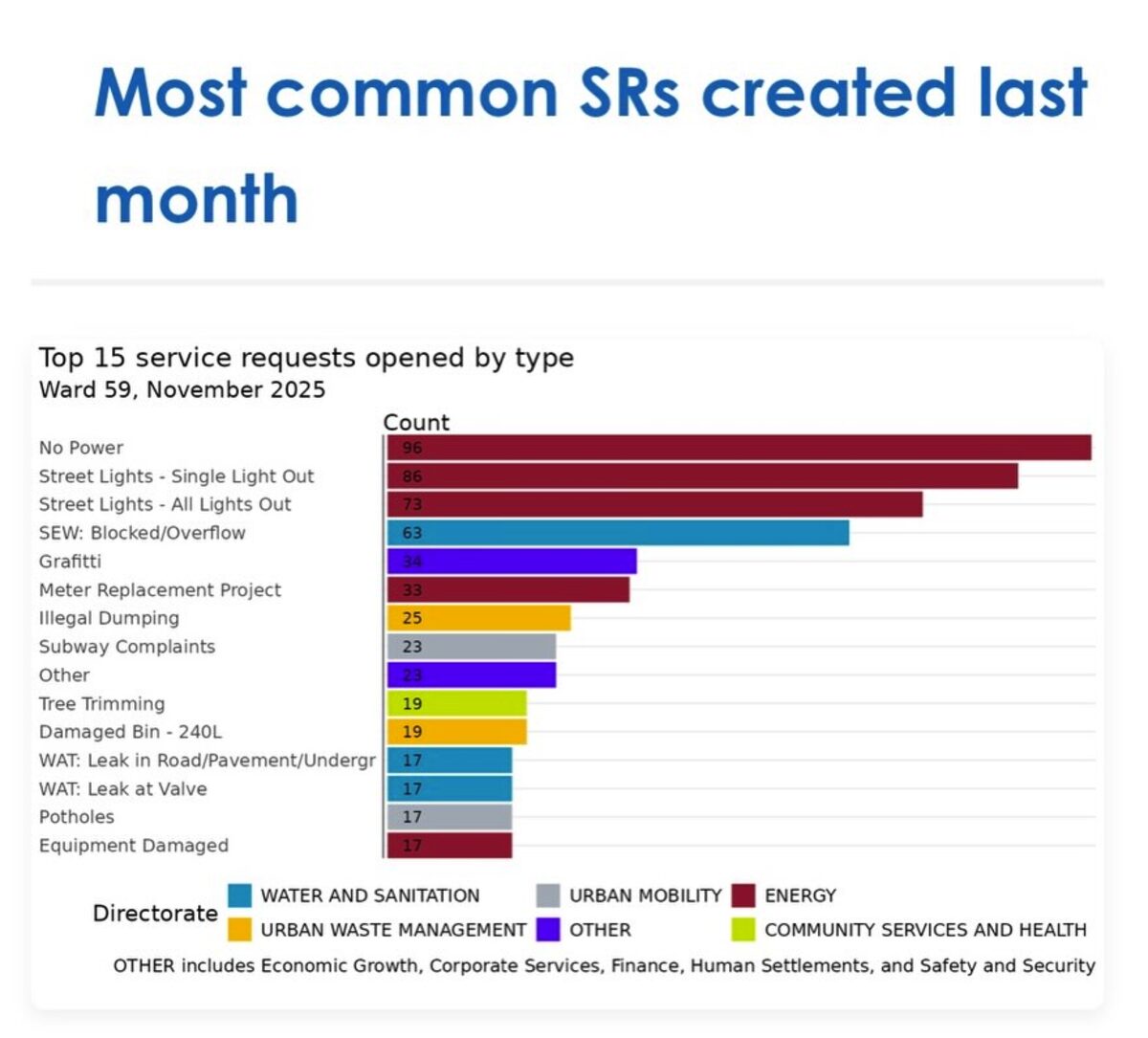
More than 15 000 service requests logged in Ward 59 last year have prompted regular law enforcement inspections at Rondebosch subways.
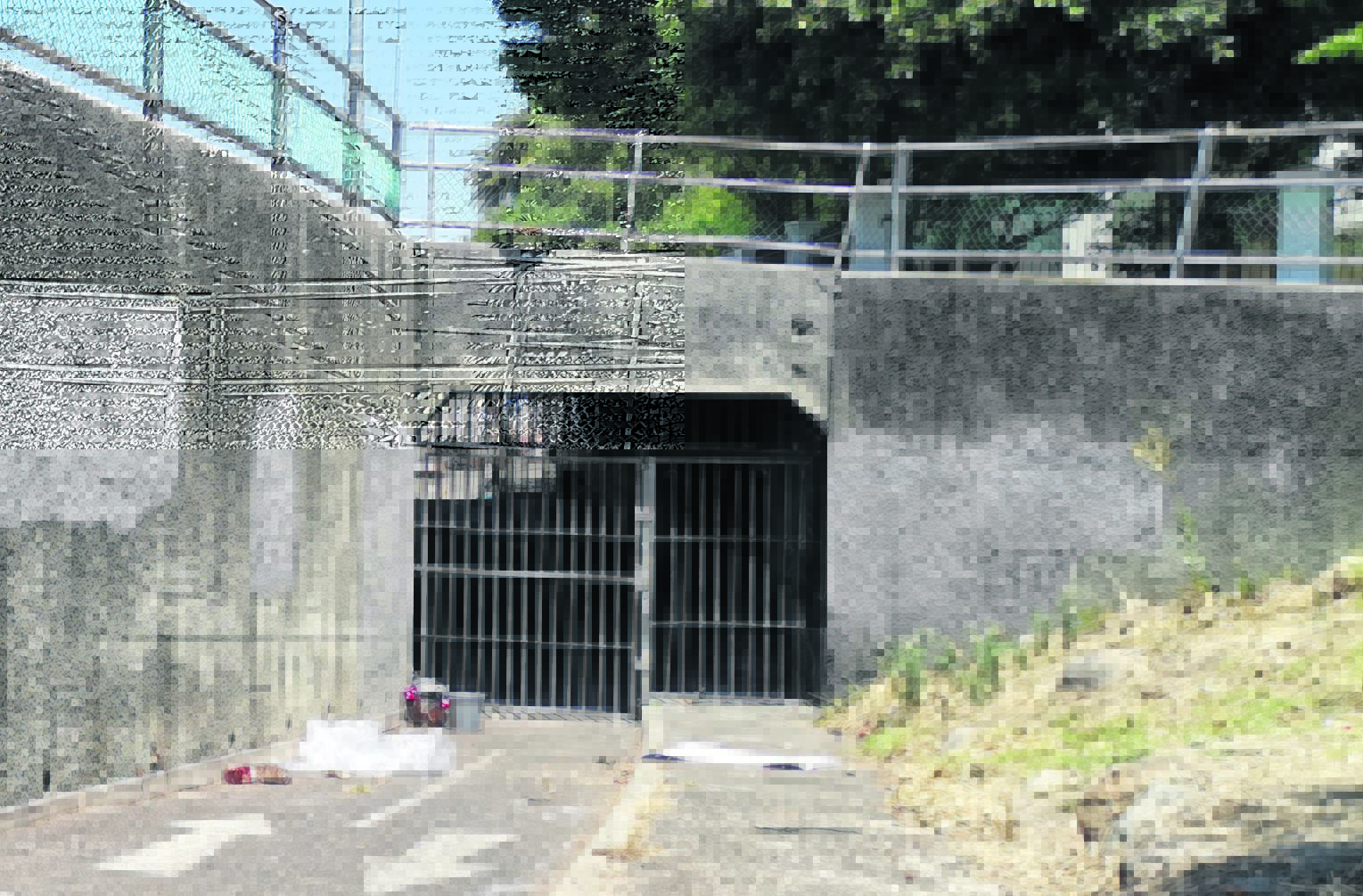
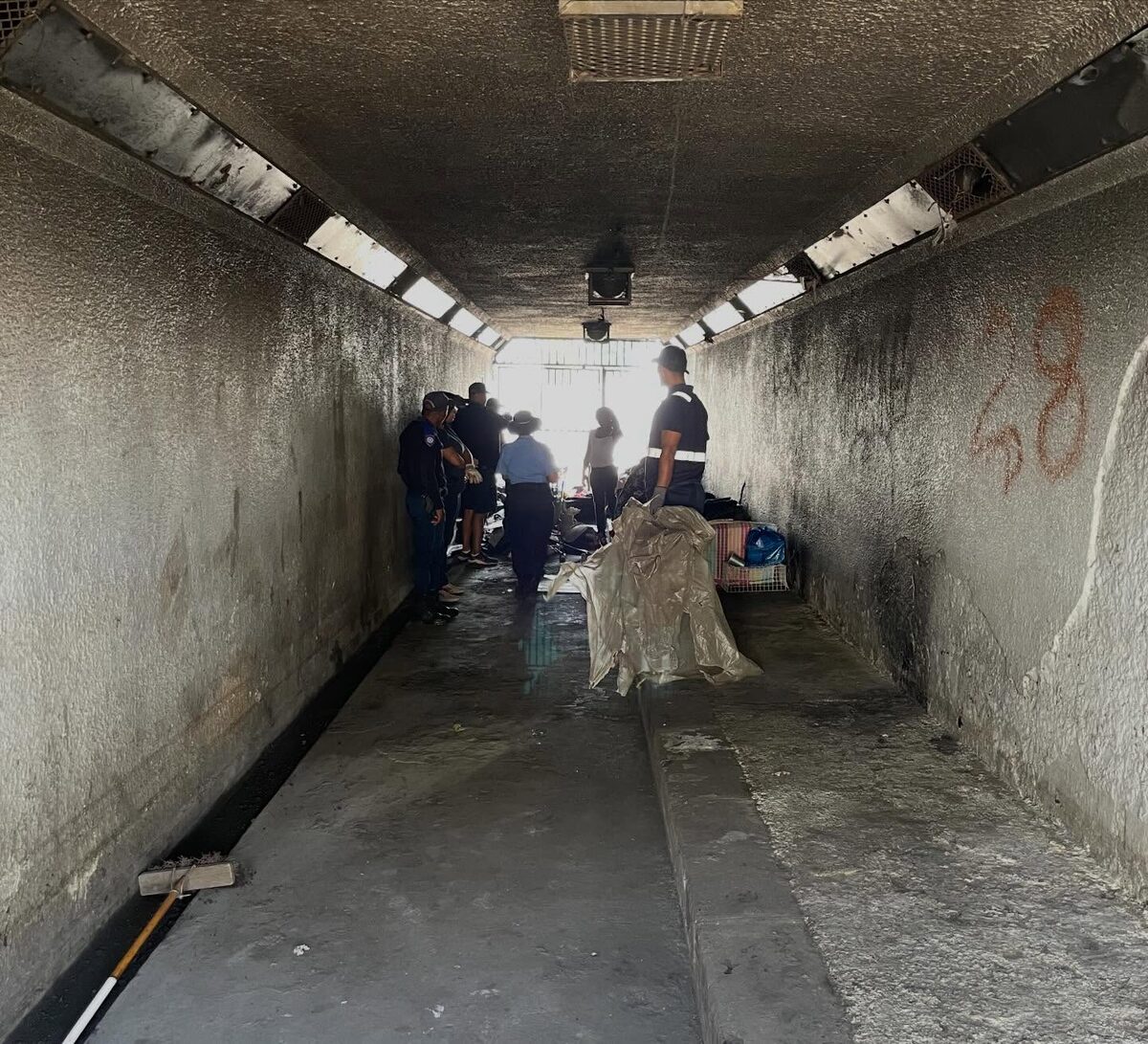
Law enforcement officers are conducting regular inspections at Erin Subway and other problematic pedestrian subways in Rondebosch. This follows service requests logged by residents.
Ward 59 councillor Mikhail Manuel said residents submitted 15 726 service requests last year. Among these, pedestrian subways were the most frequently reported concerns.
“Law enforcement regularly inspect Erin Subway and the surrounding ongoing problematic Rondebosch subways. All in response to service requests,” Manuel said.
He thanked residents for actively using the City of Cape Town’s service request platform. This platform plays an important role in alerting officials to service delivery issues.
“Subways are one of the top issues in our area,” Manuel said.
As the new year begins, Manuel encouraged residents to continue reporting problems. He emphasised the importance of the platform as a direct communication channel with officials.
“As we start the year, remember that the service request platform empowers residents with a direct link to the officials. So log, log, log,” he said.
Manuel added that residents whose service requests are not responded to timeously are encouraged to contact him directly for assistance.
“If any item has not been responded to timeously, please feel free to reach out to me anytime,” he said.
Pedestrian subways in parts of Rondebosch have long been a concern for residents, particularly in relation to safety, cleanliness and maintenance. This concern is greatest during early morning and evening hours.
CPF chair Barbra Breedt said: “Problematic individuals were dealt with by law enforcement in line with legislation”.
She said when people did not comply, officers intervened accordingly.
Breedt added the movement of homeless people in the area was ongoing and needed to be properly managed. She said, “If it is not managed correctly, they will find a way to be there.” She explained that operations included profiling individuals, recording their biographical details and referring them to the Western Cape department of Social Development.