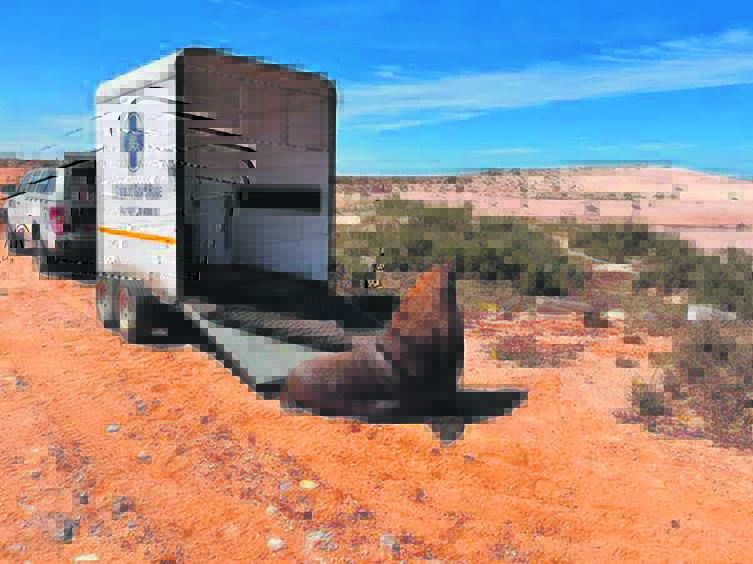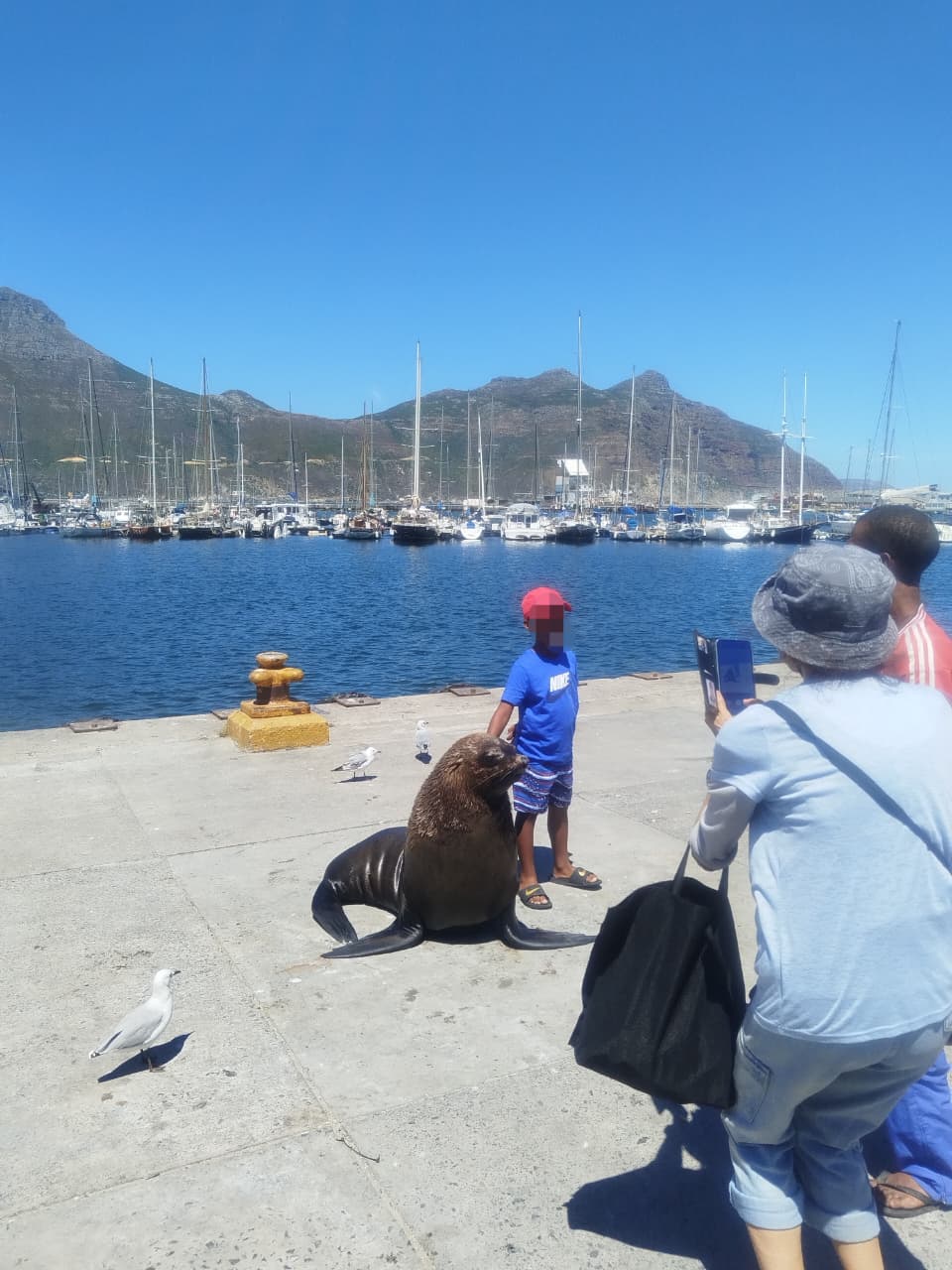
The City of Cape Town and the Department of Forestry, Fisheries and Environment (DFFE) recently sharpened law enforcement efforts to clampdown on the abuse and exploitation of seals for interactive photo shoots on Cape shores, particularly in Hout Bay.
However amazing the scope in travelling guides/blogs/articles to the Mother City might be, visitors to Hout Bay don’t seem to have a one-search Google result warning tourists to protect our local Cape fur(ry) friends.
Despite the insight and useful tips, what-to-do’s and what-not-to-do’s online platforms offer those touring Cape Town, People’s Post felt the need to add another big “Not to do” concerning seals at Hout Bay Harbour.
Myths about Cape fur seals
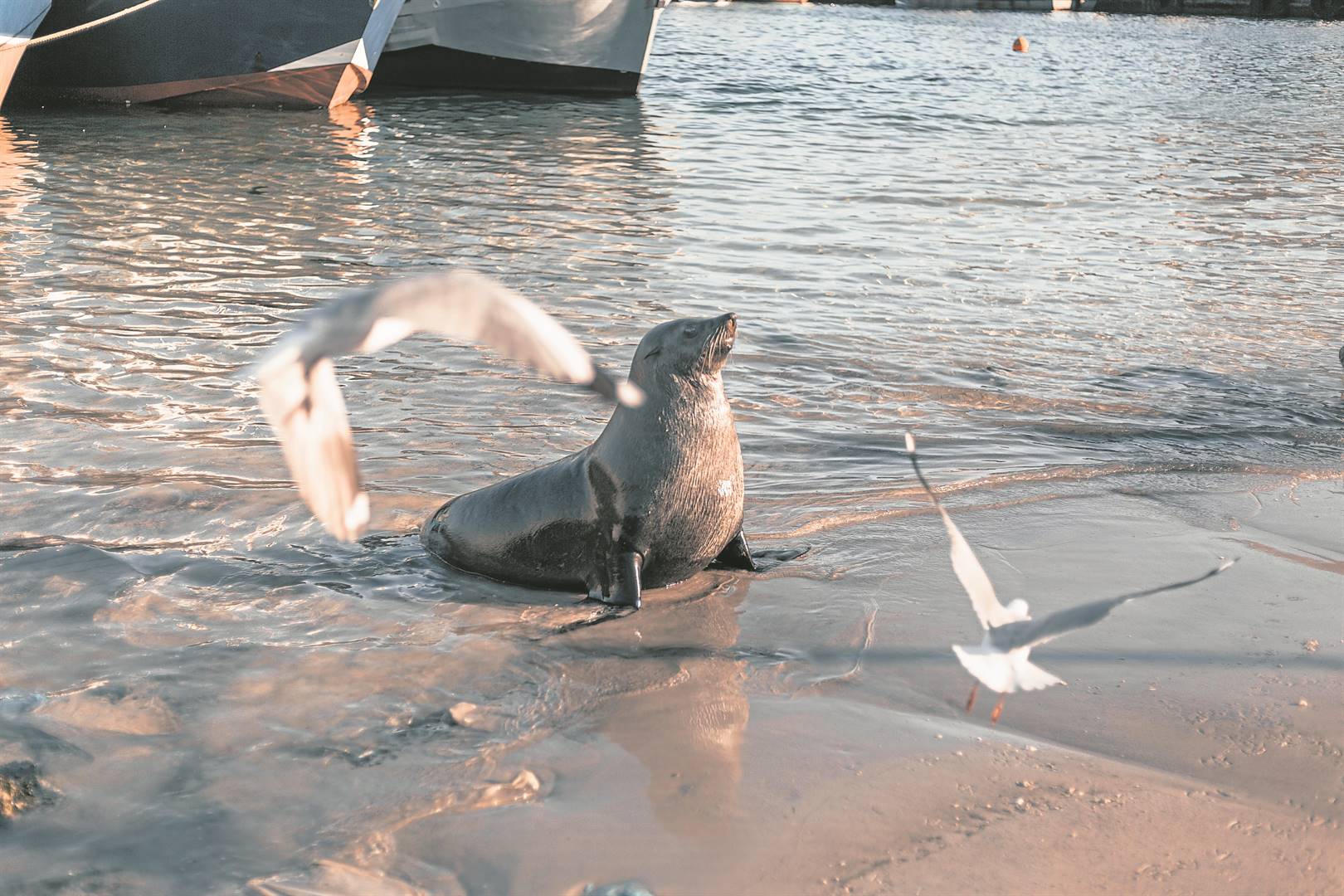
Firstly, a myth needs busting as the Operations Director of Hout Bay Seal Rescue Centre (HBSRC) Kim Krynauw believes too many people consider seals to be “vicious” or “aggressive”.
“I heard a famous Cape Town radio presenter this morning talking and projecting seals as being such ‘vicious’ and ‘violent’ creatures. All that’s doing is creating a misconception that seals can be murdered and killed,” Krynauw said on Thursday 30 November.
“We just had a killing on Strand Beach [on Tuesday 28 November] at the pavilion where they beat a seal to death. Seals are wild animals – they need to be stayed away from! They are not violent creatures that would just randomly go and attack.”
READ | Rescue mission sends Hout Bay seals 900 km away
Only reasons why seals would attack
- Starvation – due to overfishing.
- Pollution – a seal might be infested with plastic.
- Noise pollution – levels of noise due to oceanic traffic and on land as visitors on the beach increase.
“The other day we had a seal that died. When we performed the postmortem, we pulled out so much plastic from his intestines, it’s just insane! We can’t allow radio presenters
HBSRC’s pamphlet urges people spotting seals:
- To maintain their distance
- To send a WhatsApp message containing a photo of the seal and the pin location to HBSRC on 072 988 5193.
- Keep people and dogs away from the seal until the HBSRC team arrives.
- Note: Sometimes a seal needs to rest on the beach. Do not put water on the seal or attempt to pull it back into the water. This can cause the seal to go into shock and possibly drown.
Operation Clampdown
The City of Cape Town and the Department of Forestry, Fisheries and Environment (DFFE) recently sharpened law enforcement efforts to clampdown on the abuse and exploitation of seals for interactive photo shoots on Cape shores, particularly in Hout Bay (“Rescued seal makes a come back”, People’s Post, 5 December).
Belinda Abrahams, the spokesperson for Cape of Good Hope SPCA, said seal feeding and other interactions provided by the individuals plying this trade at the Hout Bay Harbour is “sadly extremely lucrative and we have reports of these individuals making as much as R1 000 (or $53,59 USD) in an hour.
“The only way for this to stop permanently is for people to stop paying their hard-earned money for something that is not only illegal but also cruel. A seemingly innocent engagement like a photo opportunity perpetuates a cycle of cruelty behind the scenes which includes beatings and other aversive techniques to ensure the seals perform as desired.”
The City and DFFE warn the public, tour operators, tour guides and all visitors that feeding, approaching, harassing and disturbing seals is a criminal offence in terms of the Threatened or Protected Marine Species Regulations and an offence in terms of the City’s coastal by-law.
The SPCA appeals to anyone who witnesses seals being fed or tourists being offered photo opportunities to act. Video any feeding, posing and exchange of cash and make sure the perpetrators’ faces are clearly visible. Report this to the SPCA either via the report cruelty link on their website capespca.co.za or call 021 700 4158/9 or 083 326 1604.