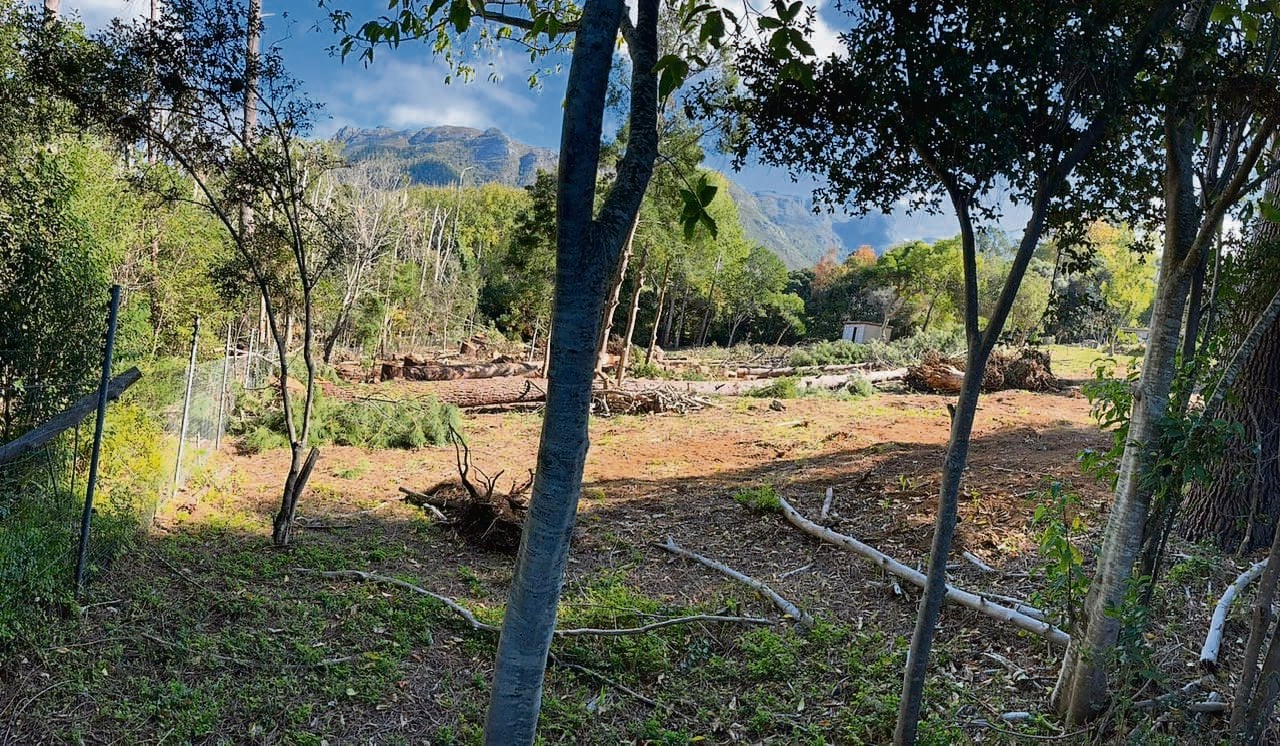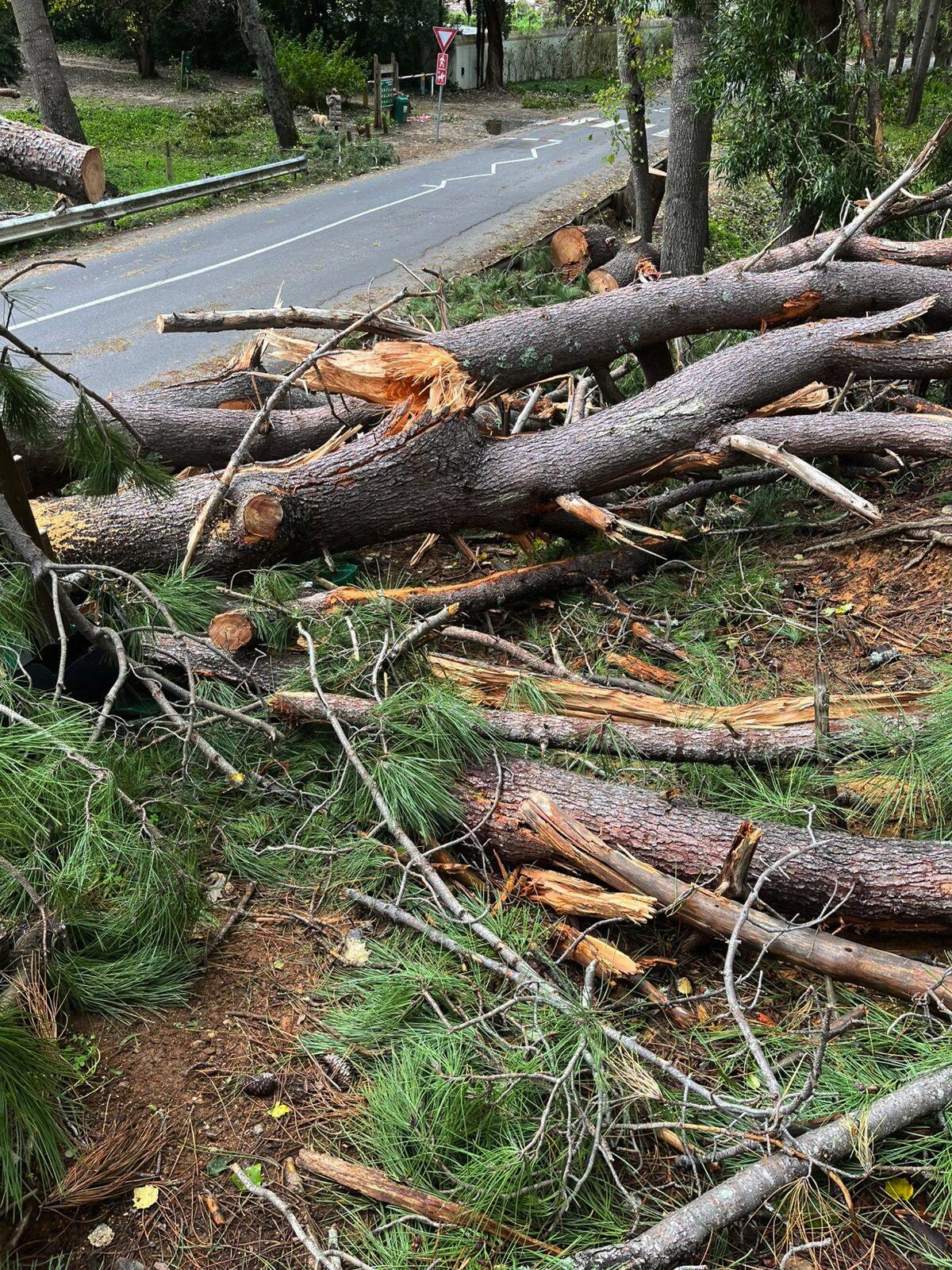
Klaasenbosch Greenbelt storm damage from gale-force winds and heavy rain on Sunday 10 and Monday 11 May has left the area resembling a “war zone”. A long-time volunteer who has spent 25 years protecting the greenbelt issued the warning. He also cautioned that delays in clearing and rehabilitation efforts are allowing the destruction to worsen.
Klaasenbosch Greenbelt storm damage: The scale of destruction
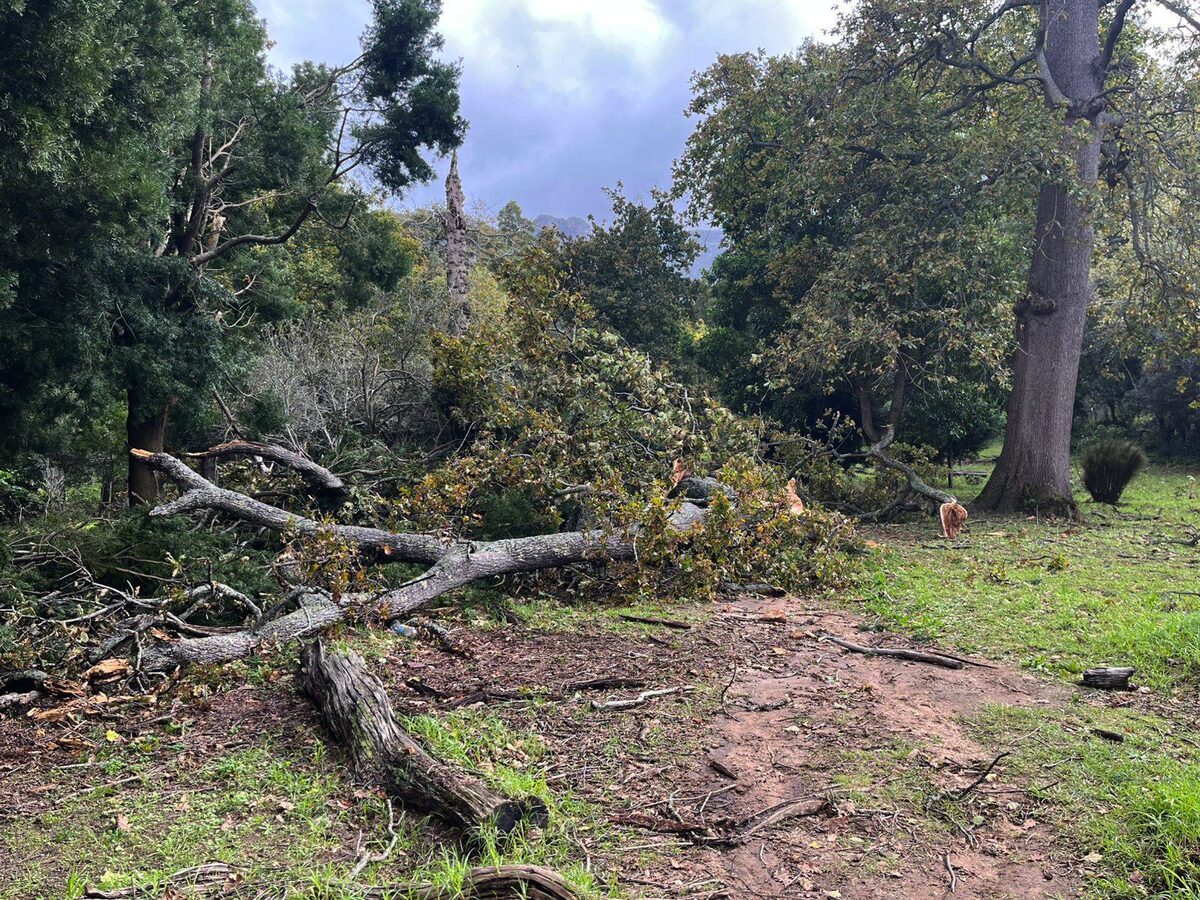
Between 20 and 23 large trees came down in Klaasenbosch alone. The Alphen and Silverhurst greenbelts also suffered severe damage.
Colin Walker, chair of the Friends of the Constantia Valley Greenbelts, called the Klaasenbosch Greenbelt storm damage the “worst” in his 25 years of greenbelt work. Massive trunks some a metre across lie sprawled at violent angles.
“The storm is probably one of the worst ones I’ve ever experienced in terms of the number of trees down and the carnage definitely the worst I’ve seen from a single storm event,” he said. He added that poplars account for 80% of the fallen trees.
Walker explained the cause, “their interior is completely rotten. The core of the trunk is rotten. So they basically either come down as a whole tree, or they snap off and devastate everything underneath.”
Cascading consequences on the ground
The physical damage is only part of the problem. Walker warned that invasive creepers morning glory, ivy and canary creeper move fast to smother fallen timber. They build impenetrable barriers that block trail sight lines. “It becomes a security issue, lots of hiding places, illegal occupation,” he said.
Trail users are also compounding the damage. Klaasenbosch is one of the narrowest greenbelts in the valley. This forces walkers and riders off the path into sensitive restoration areas that took years to establish.
“People just walk around the trees and further erode and create damage in the undergrowth. That’s one of the reasons you really have to remove them,” Walker said.
Volunteers fill the gap as city cuts funding
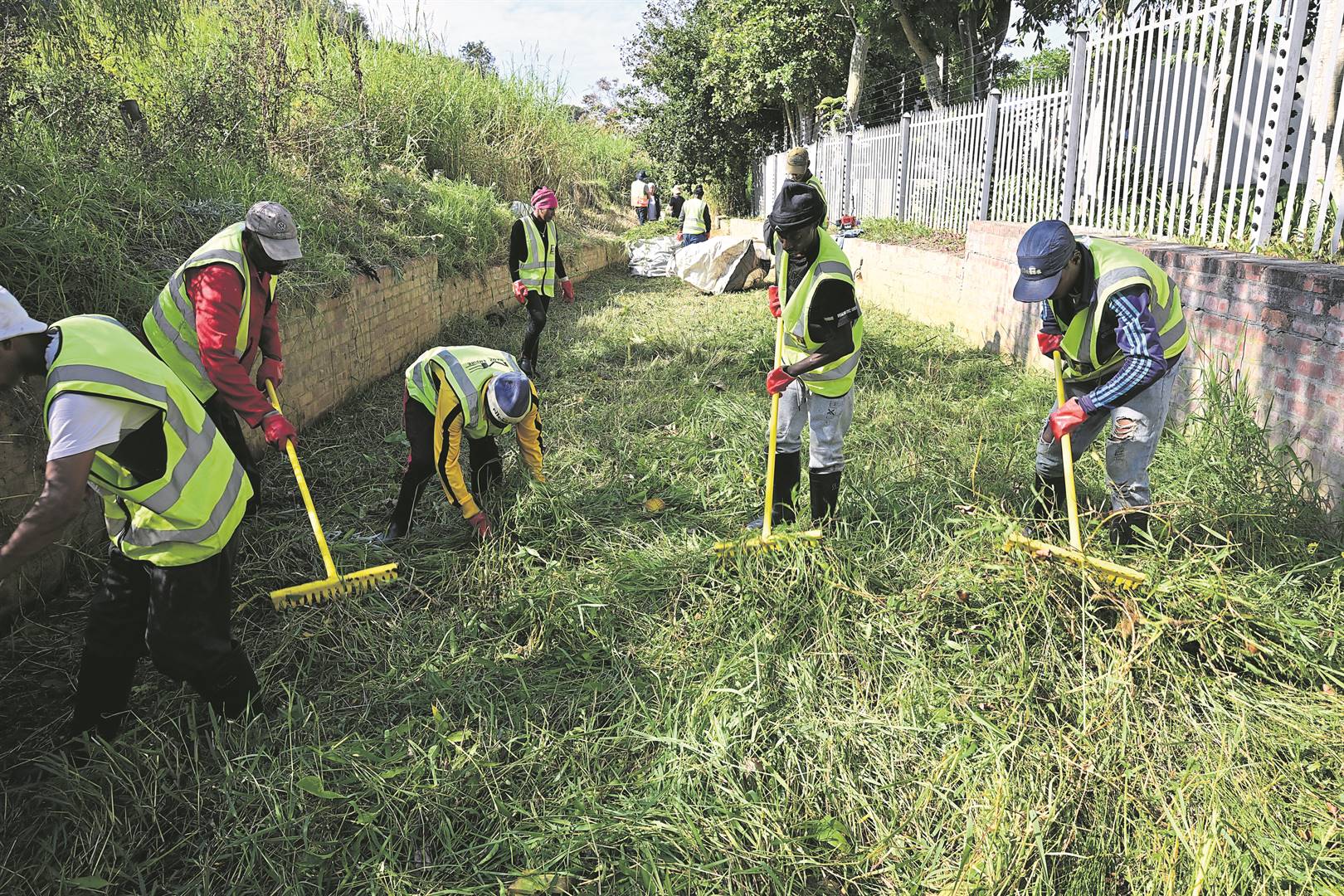
Friends, a committee of five to six volunteers, has operated for approximately 35 years. Walker has chaired the group for close to 12 years, working closely with the City’s greenbelt management office.
“We work very closely with the City of Cape Town, we’re not mavericks,” he said. “But the City has slashed its funding by around 70%. It does almost zero maintenance now other than mowing. They’ve cut in-house operational capacity by about 80%. We wind up being the City’s hands and feet.”
The City confirmed it was aware of the Klaasenbosch Greenbelt storm damage and its effects across the affected greenbelts. It told People’s Post that storm priority was roads, infrastructure and public safety, but that greenbelt cleanup would follow.
“The maintenance of the greenbelts remains the City’s responsibility. The City triages work in order of priority,” the statement read. “The City will attend to the greenbelts. It prioritises fallen trees and related damage to roads and private properties to ensure safe traffic flow.”
Community rallies behind emergency appeal
Friends launched an emergency appeal to raise R40 000. The funds will put a team of six on the ground for a minimum of 10 days.
“To do a proper, decent job is going to take quite a bit more,” Walker said. He described the community response as swift. “Completely overwhelming way beyond our wildest expectations. We’re well on the way to target.”
A silver lining: Natural rewilding
Walker noted that the fallen poplars were, ecologically, alien species. Their collapse opens the canopy and what follows can be remarkable.
“The seed bed in those forests is amazingly resilient. As soon as it gets sunlight, the amount of indigenous sprouting is quite unbelievable,” he said.
Friends will remove exotic saplings to allow indigenous species to reclaim the space. This will restore the greenbelt to its original state.
“The storm is a natural form of pruning. When you manage it properly, it allows a natural rewilding back to what the forest originally was Afro-montane forest,” Walker said.
ALSO READ: Protected trees felled on Klaasenbosch greenbelt sparks public outrage