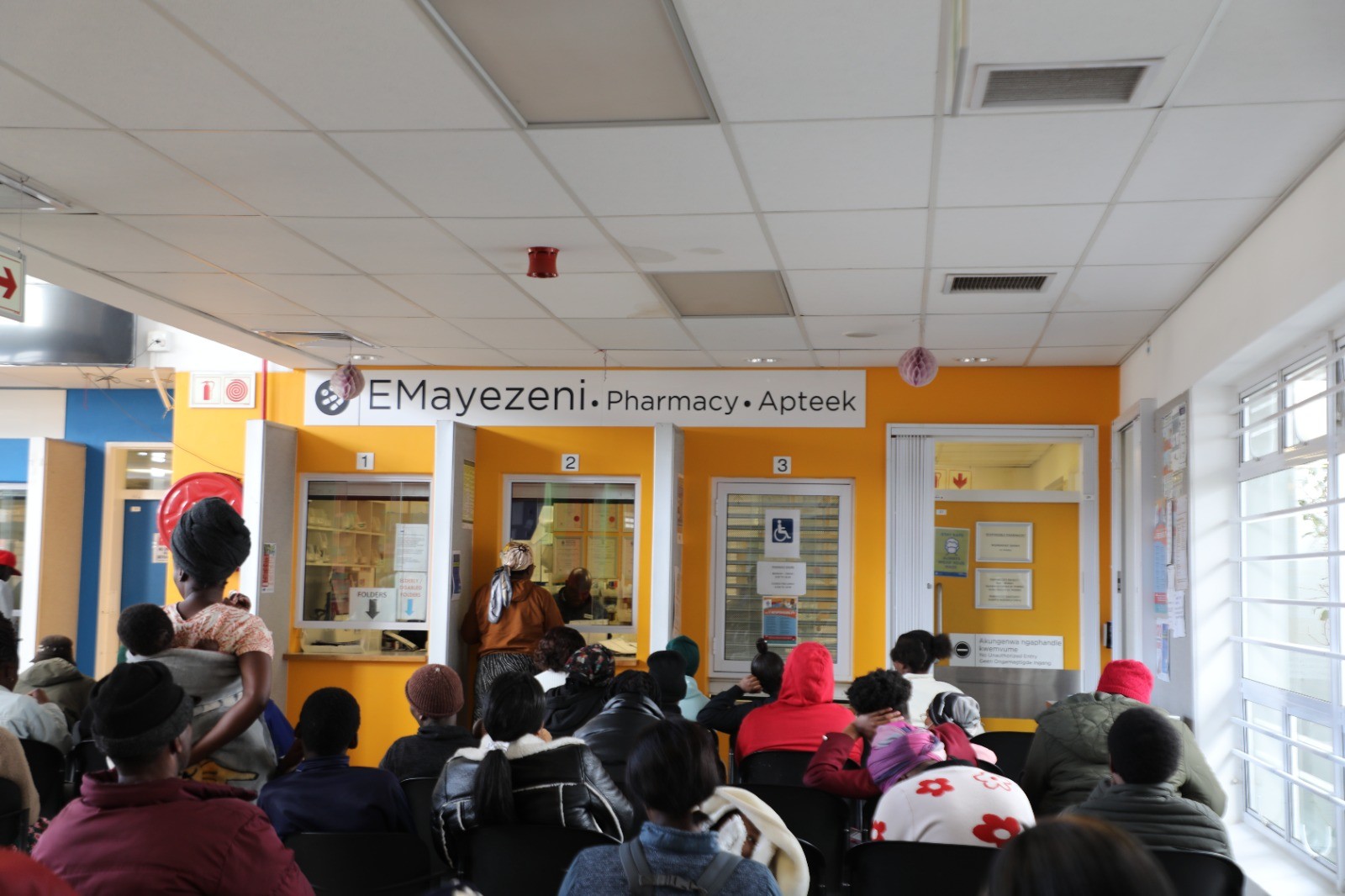
A 77-year-old chronic patient from Kensington fears he could become gravely ill if he does not receive his prescribed medication soon, as ongoing medicine supply shortages continue to affect patients across the Western Cape and South Africa.
Chronic medication, for life-threatening diseases such as hypertension and asthma, is out of stock at public hospitals in the Western Cape.
The shortage has raised concerns about the health of patients who depend on daily medication to manage chronic conditions and has prompted Western Cape Health and Wellness Minister Mireille Wenger to call for urgent national intervention.
According to Wenger, the department first raised the alarm with national government in June this year.
The shortages have been linked to several pressures across the pharmaceutical supply chain, including manufacturing and regulatory challenges, supplier constraints, import and customs delays, and delays in the testing and release of certain medicines.
Patients left waiting
But for Clifford Harris, a patient with chronic conditions which include, asthma, arthritis, high blood pressure and diabetes not receiving his medication could cause his health to deteriorate.
He claims he has not received some of his crucial medication for over three months.
“I am an elderly person, so my medication gets delivered to my home. So, I only see when the package arrives that they are out of stock. It is sad that we are diagnosed by medical doctors with this condition and this medication is prescribed to us, but we don’t get it.”
Harris showed People’s Post his medicine prescription, which simply indicated “out of stock” for certain medication.
“I am left with no option but to take the medication at my disposal but I fear what will happen if I continue not taking my medicine,” he said.
According to Harris, his 75-year-old brother, who is asthmatic, ended up in hospital, because he did not receive his asthma pumps for a few months.
Harris said he cannot afford to buy medicine from private institutions or pharmacies.
Another resident Nazeah Abrahams said she is an asthma patient and has a rare skin disease.
“This is the second month that I have not received my medication. And to buy it at the pharmacy is expensive, I am unemployed. Currently, I only have four tablets left and I am stressing.”
Calls for intervention
Wenger said she wrote a letter to the national Health Minister, Dr Aaron Motsoaledi, last month to request national action and clear timelines for interventions to improve this situation.
“Medicine supply constraints are a countrywide challenge and requires a coordinated national response. Our patients deserve access to the medications that they need, and it is our responsibility to find and implement solutions to unblock and mitigate these challenges,” said Wenger.
Wenger believes coordinated monitoring across provinces will give all departments a clearer picture of medicine supply pressures.
“It can identify shortages earlier, improve planning and support redistribution of available stock where appropriate. The purpose is to ensure that national government coordinates the information and actions needed to support every province and protect patients wherever they live.”
Wenger said the provincial department of health and wellness is working to protect patients through weekly monitoring at the Cape Medical Depot, reporting stock levels and supplier performance to national government, redistributing stock between facilities, and sourcing alternatives where possible.
“When a prescribed medicine is unavailable, pharmacists and clinicians work together to provide a clinically appropriate alternative strength, pack size, formulation or therapeutic substitute. Limited stock may be shared equitably or issued in smaller quantities while supplies are secured.”
She said the department also supports temporary imports where necessary.
She urged patients to continue collecting their medication and not change how they take their medicine without first speaking to a healthcare professional.
ALSO READ: Shortages of vital chronic medication at Western Cape public hospitals