Over the past few crime statistical cycles, the rise in carjackings has raised the alarm with several industry players.
With a long list of do’s and don’ts often released, first-hand experiences differ greatly.
Owning a car can put one at considerable risk, with most police precincts reporting a rise in carjackings.
In a quick poll of social media users, it is safe to ascertain that most people in Cape Town have either been personally involved in or know at least one person who has experienced a hijacking of sorts.
When a group of armed men held the Bowers family at gunpoint in their driveway in 2018, they were lucky to get away alive.
“For a long time, I did not want to be anywhere on the roads. I felt violated that they could do that to us in our own home. Our safe space. South Africa is known for crime, but you never expect that to come to your doorstep, literally,” says the mother of three from Rondebosch East.
Their Toyota Corolla was never recovered.
“You feel helpless and freeze in that moment. All you want is to get out of the situation. You don’t think of anything in that moment,” she says.
No one was hurt, but not everyone is that lucky.
Over the past few years, People’s Post has also reported on several hijackings with deadly consequences. And, unfortunately, no area is spared.
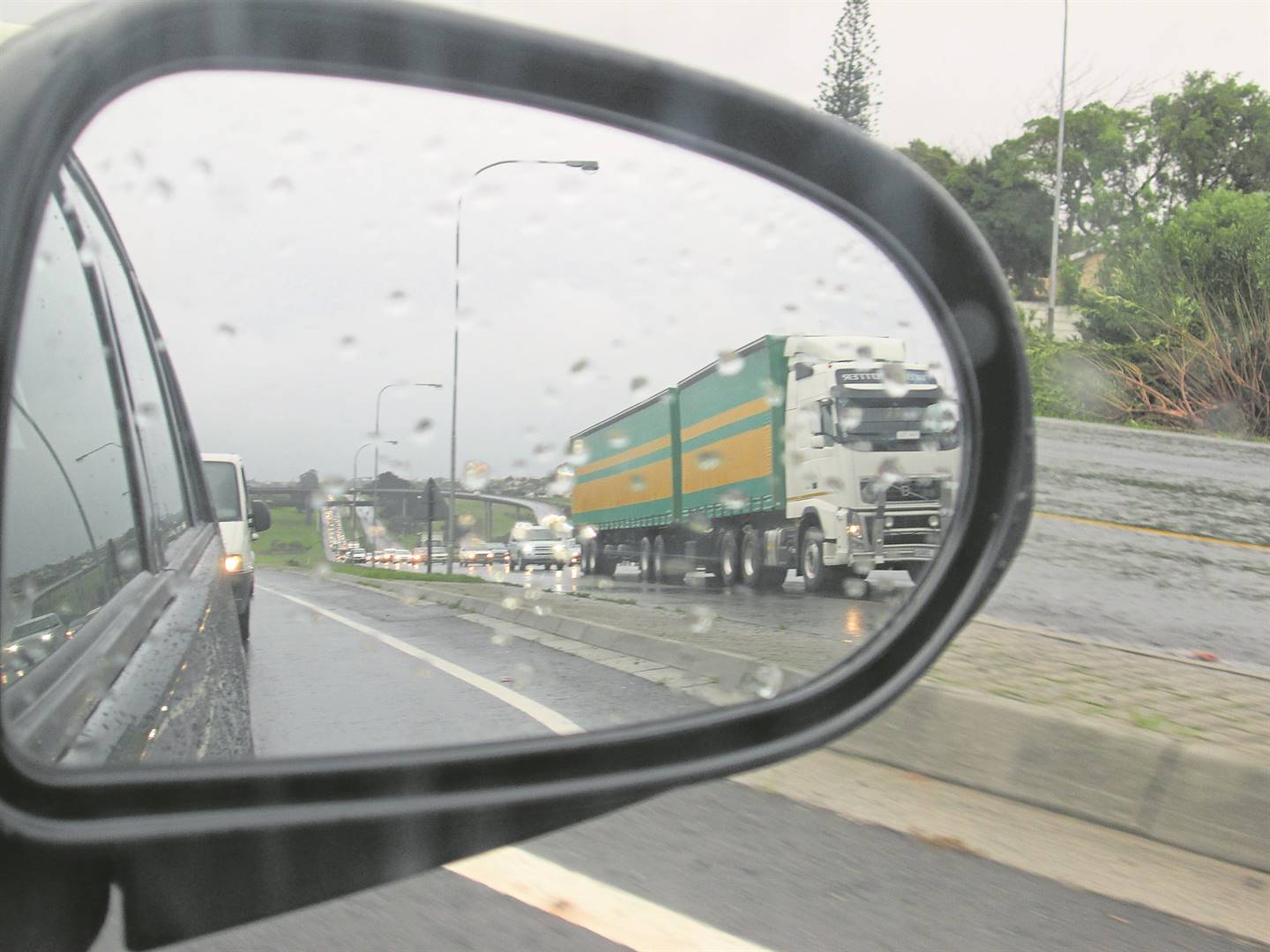
According to the 2021-’2022 police crime statistics, around 23 000 hijackings were reported for the period ending September last year. In the fourth quarter of the 2022-’2023 cycle (January to March 2023), around 5 200 cases of carjacking and more than 430 cases of truck jacking were reported in the country.
Nyanga tips the scales in poll position nationally with the highest number of reported carjackings in the precinct. While the top-five Western Cape stations for carjackings are in the township areas of the province, the top 30 for the quarter also include policing precincts like Stellenbosch, Bellville and Maitland.
In a statement released by CrisisOnCall, there are some things to keep in mind when travelling through hijacking hotspots.
Ruan Vermaak, communication manager at CrisisOnCall, says: “A hijacking is usually a carefully planned and well-orchestrated event. Hijackers look for a specific target and plan their timing by following the target until the vehicle comes to a stop. When driving through a high-risk area, always inform someone of your location. If you have a passenger, ask them to look out for suspicious activity.”
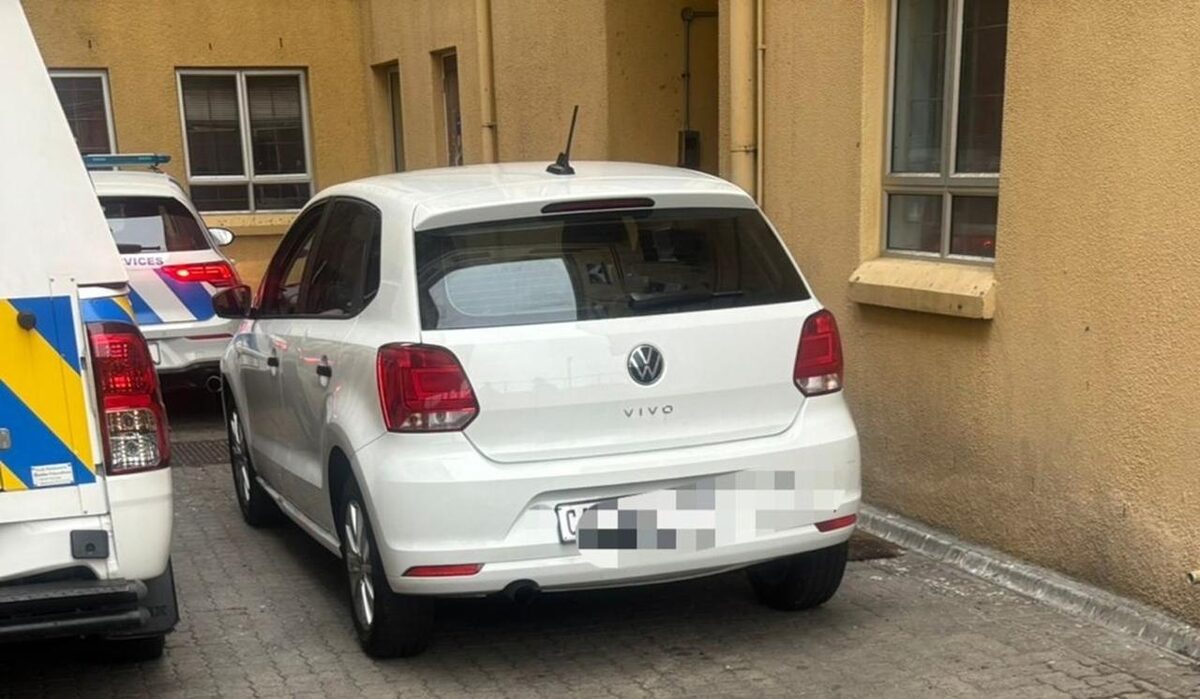
According to reports, the most targeted cars include Toyota, Volkswagen hatchbacks and bakkies such as the Toyota Hilux, Ford Ranger and Nissan NP200.
CrisisOnCall says there are a few hijacking scenarios to look out for.
Hijackings are common in your driveway, at stop streets and red robots. Hijackers target vehicles with distracted drivers – often on the phone or with visible valuables.
“Hijackers look for areas with clear escape routes,” says Vermaak.
“Hijackings can also occur at parking areas, especially the ones with easy escape routes.”
Another common hijacking is perpetrated against those selling vehicles online. Known as a “test drive” hijacking, criminals would show up and take a vehicle without paying for it.
“Blue light” hijackings perpetrated by fake traffic or police officials is another scenario.
CrisisOnCall shares five key tips to increase your vigilance while on the road:
- If you feel as if you are being followed, report it immediately. If possible, drive to your nearest police station, do not drive home.
- When driving through a high-risk area, keep all valuables hidden away.
- Always make sure that you know your directions through high-risk areas.
- Share your live location on WhatsApp with a friend or family member while driving through a high-risk area.
- Only advertise your car through registered dealerships. Online marketplaces can pose a risk.
To be proactive, Vermaak advises motorists to invest in trip monitoring services.
The monitoring service gives the driver peace of mind while driving in a high-risk area. Call centre agents check on the driver at specified intervals.