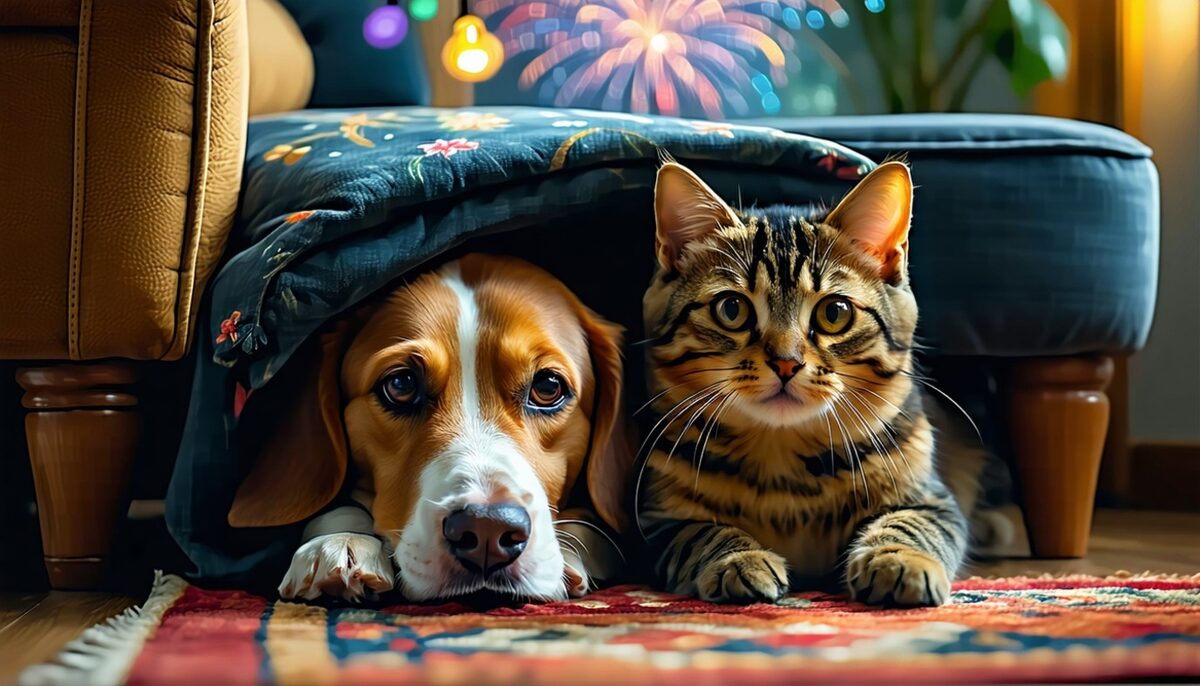
CAPE TOWN – The Cape of Good Hope SPCA is cautioning the public that fewer emergency calls during this year’s New Year celebrations don’t mean animals were spared from fireworks-related trauma and distress.
Despite receiving only eight to nine calls on New Year’s Eve and four calls on New Year’s Day – lower than some previous years – the animal welfare organisation emphasises that much of the suffering caused by fireworks goes unreported and unquantified.
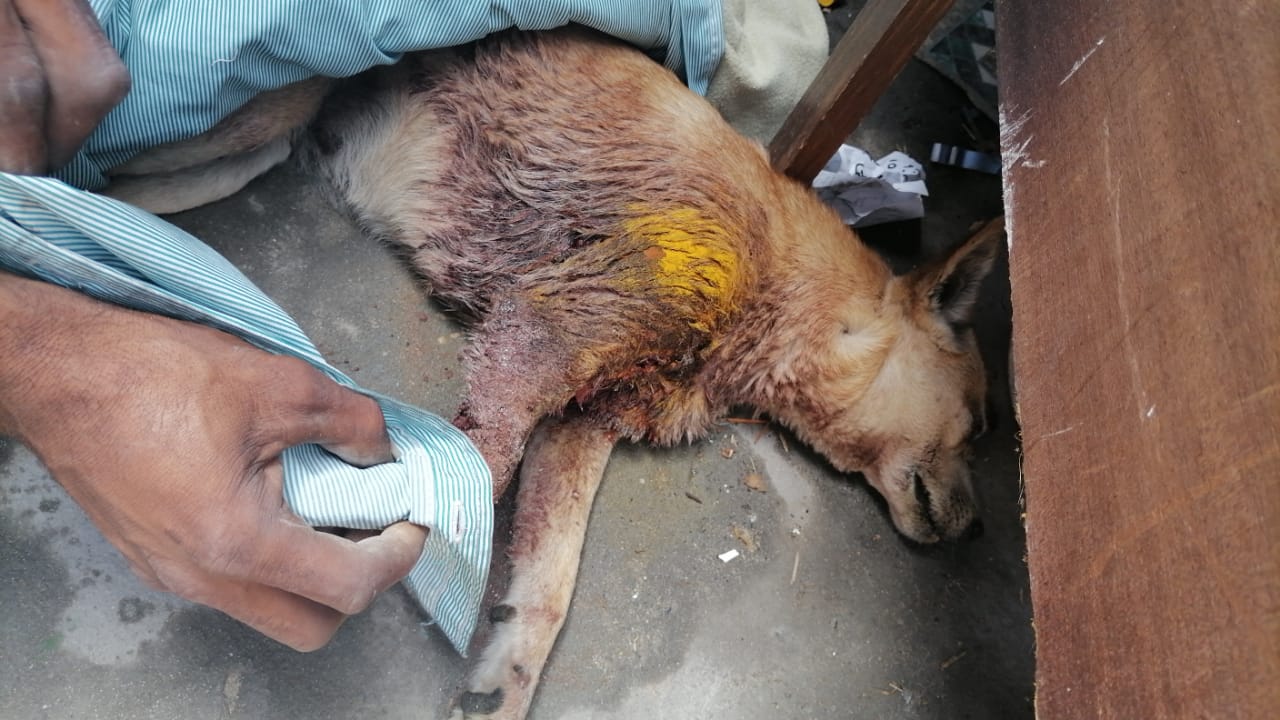
Several heartbreaking cases highlighted the ongoing dangers fireworks pose to animals across Cape Town. In Lavender Hill, a dog became so distressed by fireworks that it jumped a fence and entered a neighbour’s property, where it was attacked by pit bulls. The severity of the injuries meant the owner had to make the difficult decision to have their pet humanely euthanised.
Another devastating incident occurred in Scottsville, Kraaifontein, where a family discovered their dog dead after returning from an overnight trip. The animal had been secured on a running chain but appeared to have panicked due to intense fireworks in the area and died while attempting to escape.
“These incidents show exactly how fireworks put animals in impossible situations,” said Belinda Abraham, spokesperson for the Cape of Good Hope SPCA. “A dog jumping a fence or trying to flee a secured area is not ‘misbehaviour’ – it is a fear response. When panic sets in, animals act purely on instinct, often with fatal consequences.”
The danger of measuring impact by call volumes
Abraham stressed that using telephone call statistics as a measure of fireworks impact creates a dangerous misconception about animal welfare during festive periods.
“People often look at call numbers as a measure of impact, but that is a dangerous assumption,” she explained. “A quieter phone does not mean animals weren’t terrified. It often means the suffering happened unseen, unreported, or was only discovered hours later.”
Most of the calls received during the New Year period involved dogs that had escaped their properties and were found wandering the streets after being frightened by fireworks.
The organisation emphasises that many animals suffer in silence – hiding, breaking free, or injuring themselves while trying to escape the terrifying sounds. In some cases, owners only discover something is wrong when it’s too late.
The SPCA highlighted that while fireworks displays may last only minutes for celebrating humans, the consequences for animals can extend far longer and, in some cases, prove fatal.
“Fireworks may last only minutes for people celebrating, but the consequences for animals can last far longer – and in some cases cost them their lives,” Abraham said. “Lower call volumes should never be used to justify continued fireworks use. The suffering is still there; it’s just not always reported, and much of it cannot be meaningfully quantified.”
The organisation is urging pet owners and communities to remain vigilant in the days following fireworks displays, as displaced animals may still be hiding, injured, or unable to find their way home.
Call for compliance with city by-laws
The Cape of Good Hope SPCA continues to advocate for stricter adherence to the City of Cape Town’s fireworks by-laws to protect animals from unnecessary trauma.
“True progress won’t be measured by fewer calls,” Abraham said. “It will be measured when people stop setting off fireworks illegally and start adhering to the City’s by-laws, so that animals are no longer subjected to fear, injury, and death.”
ALSO READ: Cape Animal Welfare Forum calls on V&A Waterfront to reconsider its New Year’s Ever fireworks