

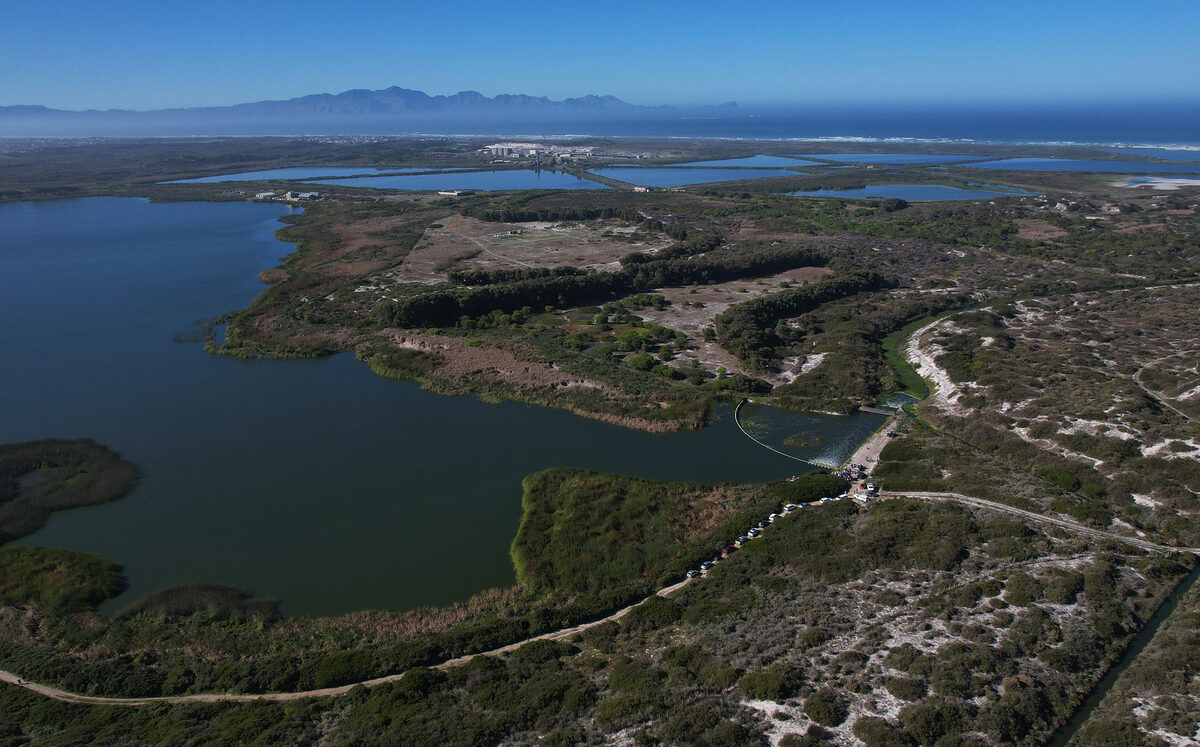
CAPE TOWN – The City of Cape Town’s historic dredging project at Zeekoevlei will continue with extended working hours after receiving approval for a noise exemption permit, allowing operations to speed up over the next 12 months.
The Storm Bay dredging operations will pause for the festive season from 19 December, resuming on 5 January 2026, with work continuing until completion.
First dredging in 42 years
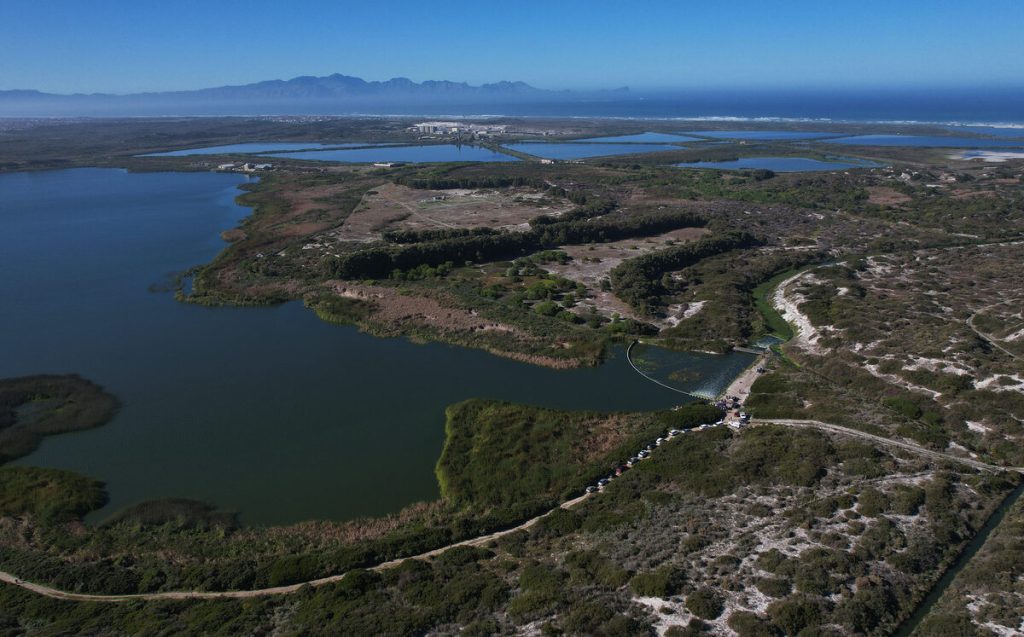
The City commenced its first vlei dredging in 42 years on 30 June this year when a floating suction dredger and team of 15 personnel began operations at Zeekoevlei’s Storm Bay section.
Since the project started, 93 672,14m³ of sediment has been dredged through November, with a total target of 207 000m³ planned for Storm Bay over approximately 12 months.
Environmental restoration
An application for a noise exemption permit has been made and recently approved. This exemption will allow the dredging team to work longer hours over the next 12 months.
“The noise exemption permit gives us the opportunity to speed up operations and remove as much sediment as possible, and also, to keep to the timelines for this project.
We will continuously monitor the noise levels, and I want to thank the residents from the surrounding neighbourhoods for their support and patience while we are working extended hours to deliver on this very important project,” said deputy mayor and Mayco member for spatial planning and environment, Eddie Andrews.
The project removes accumulated sediment to improve water circulation and reduce nutrient build-up that causes poor water quality.
Technical operations
The total volume of sediment to be dredged from Storm Bay is 207 000m³ and is estimated to take about 12 months.
• The total volume of sediment to be dredged from Home Bay is 157 000m³ and is estimated to take about 14 months.
• Hydrographic surveys of the dredged area are conducted every two weeks to measure the progress.
• The dredged sediment is being pumped from Zeekoevlei via a 4,3 km long slurry pipeline to ponds for dewatering and storage
• The slurry pipeline crosses several roads within the area, amongst which Governors Walk and Peninsula Road.
• The supernatant water is pumped from the dewatering ponds to the Cape Flats Wastewater Treatment Works (WWTWs) via a 2,3 km long pipeline
• 15 000m³ of rock material was used in constructing the mound bund walls at the dewatering ponds to assist with the dewatering and drying of the dredged sediment.
• Dewatering sumps are located around the perimeter of the dewatering ponds to assist with the drainage of supernatant water to the Cape Flats WWTWs.
Extended working hours approved
To take advantage of favourable summer conditions with less water in the False Bay Nature Reserve, the City secured a noise exemption permit valid until 1 December 2026.
The new working schedule are as follows: – Weekdays: 06:30 to 20:00
– Saturdays: 07:00 to 18:00
– Sundays: No work
Community impact
The City thanked surrounding residents for their patience and support during the extended working hours, emphasising continuous monitoring of noise levels.
Following Storm Bay completion, the project will move to Home Bay, where an estimated 157 000m³ of sediment will be dredged over approximately 14 months.
The comprehensive restoration project represents a significant investment in preserving and improving one of Cape Town’s important natural water bodies.
ALSO READ: City of Cape Town closes Zeekoevlei due to water quality concerns

You must be logged in to post a comment.