Consumers battling mounting financial pressure are being urged to seek professional debt counselling, with experts warning that this month’s fuel price cut is too small to offset the rising cost of food, electricity and other essentials that continue to squeeze household budgets.
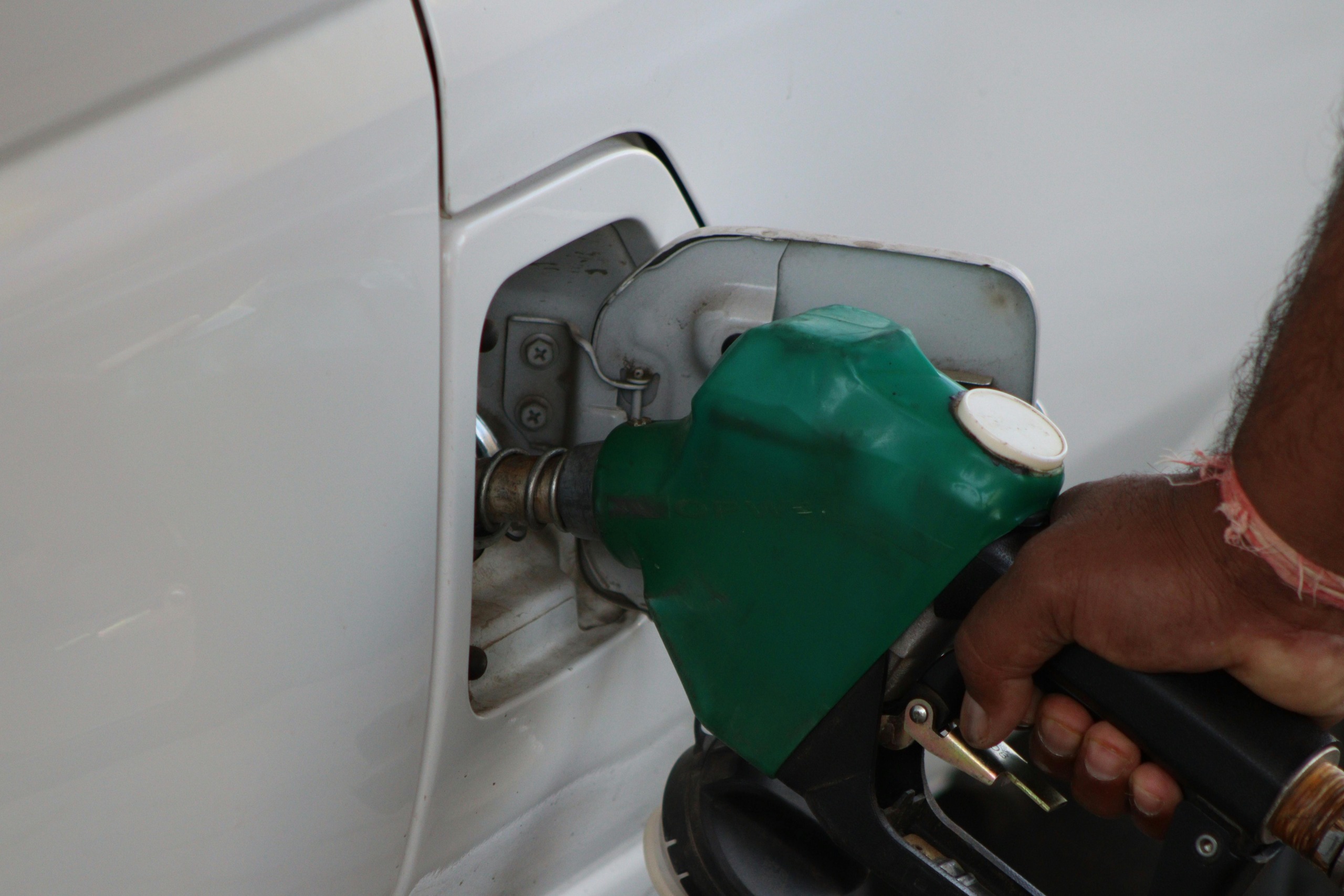
Despite the reduction at the pumps, motorists are still paying about R6,18 more per litre for inland 95 unleaded petrol than they were at the start of the year, leaving many households with little financial breathing room.
Neil Roets, chief executive officer of Debt Rescue, said fuel prices influence far more than what motorists pay at the pumps.
“They filter through the entire economy, affecting transport costs, food prices, logistics, municipal service delivery and ultimately household cash flow. While the July reduction is welcome, it is simply too small to offset the cumulative inflationary pressure consumers have absorbed over recent months.”
Roets says consumers rarely experience inflation as isolated price increases. Instead, financial pressure builds cumulatively as multiple cost increases occur simultaneously, steadily reducing disposable income and increasing dependence on credit.
He said the ongoing Middle East crisis, volatile global fuel prices, and the looming domestic impact of the El Niño weather pattern on food production, threatens to spike domestic food inflation and strain agricultural input costs, significantly raising the threat of second-round price effects.
Roets says second-round inflation is particularly damaging because households have little opportunity to adjust their spending.
Uncertain outlook
According to Roets, the outlook beyond is uncertain with renewed attacks in the Middle East recently raising the risk of higher international oil prices if tensions escalate.
“Consumers often underestimate how quickly international events reach the household budget. A sustained increase in global oil prices rarely remains confined to fuel.
“It steadily filters through supply chains into transport, food production, retail prices and ultimately the cost of almost every essential product consumers purchase,” Roets points out.
He says the scenario is already grim for the man on the street, and there is growing concern about the ability of South African households to absorb any further financial shocks.
These concerns are also reflected in Debt Rescue’s ongoing consumer research, which monitors how economic developments influence consumer financial behaviour and household resilience.
According to Roets, the latest findings indicate that many consumers no longer have sufficient financial flexibility to absorb even relatively modest increases in essential monthly expenses.
Food prices driving inflation
Food prices are the largest single contributor to inflation, and with multiple threats to food production and affordability looming, this is easily the top concern among South Africans especially lower-income households.
“Food inflation is fundamentally different from most other forms of inflation because consumers have almost no ability to postpone or avoid it. As food consumes an increasingly larger share of household income, financial resilience deteriorates rapidly.”
He urged consumers experiencing sustained financial distress to seek professional assistance from a registered debt counsellor before “debt becomes unmanageable”.
ALSO READ: Government launches formal review to permanently reshape fuel pricing