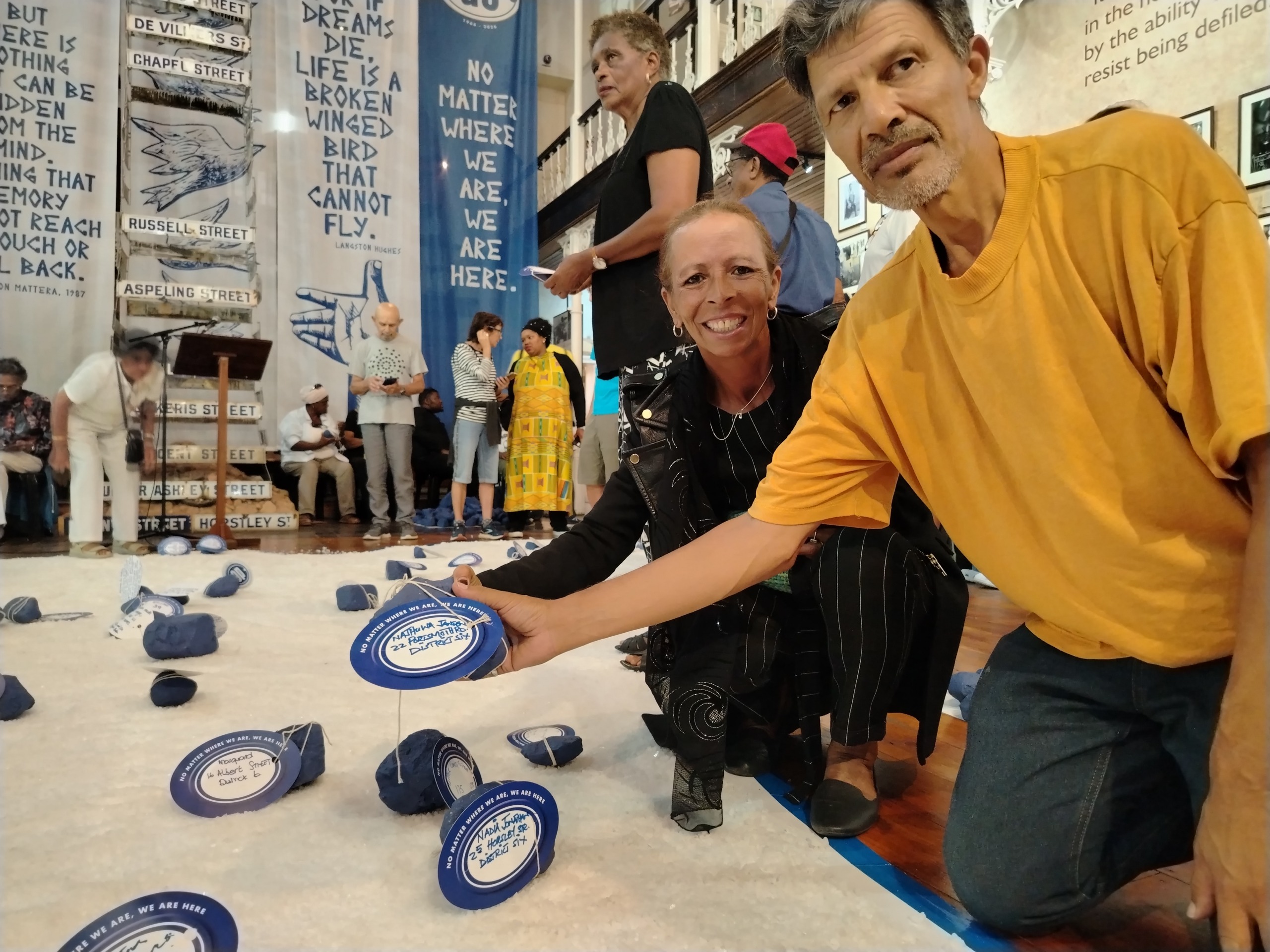
Cape Town– Six decades on the pain of forced removals from District Six still lingered in the hearts of families who had lost their homes and their community.
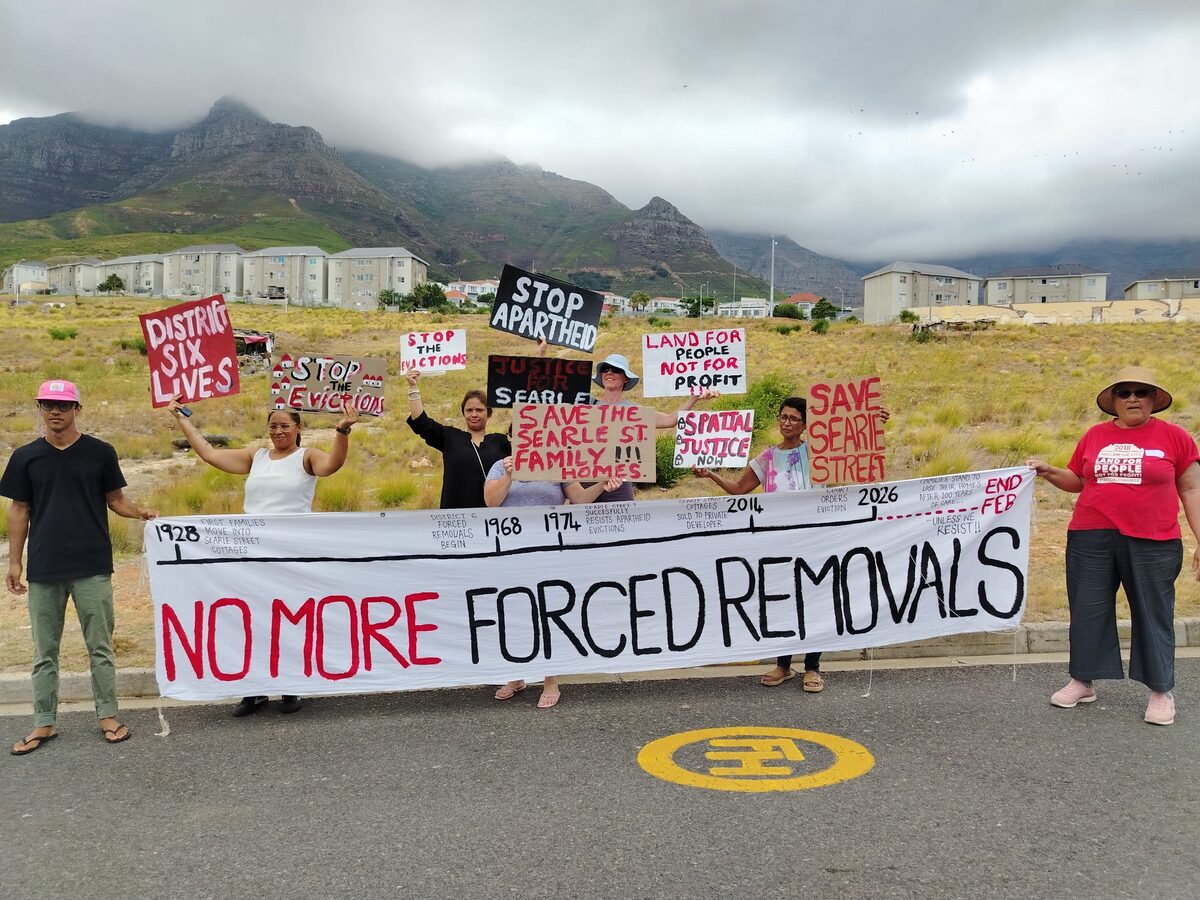
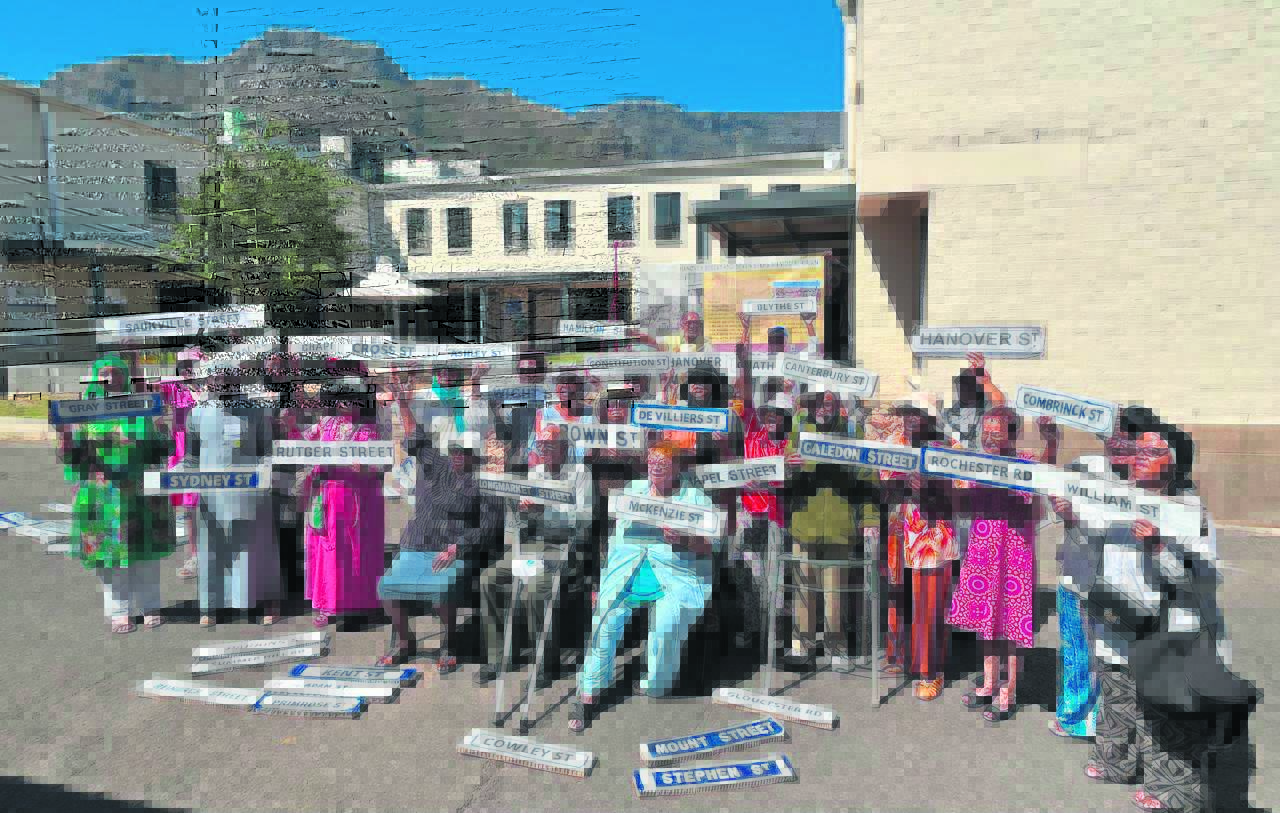
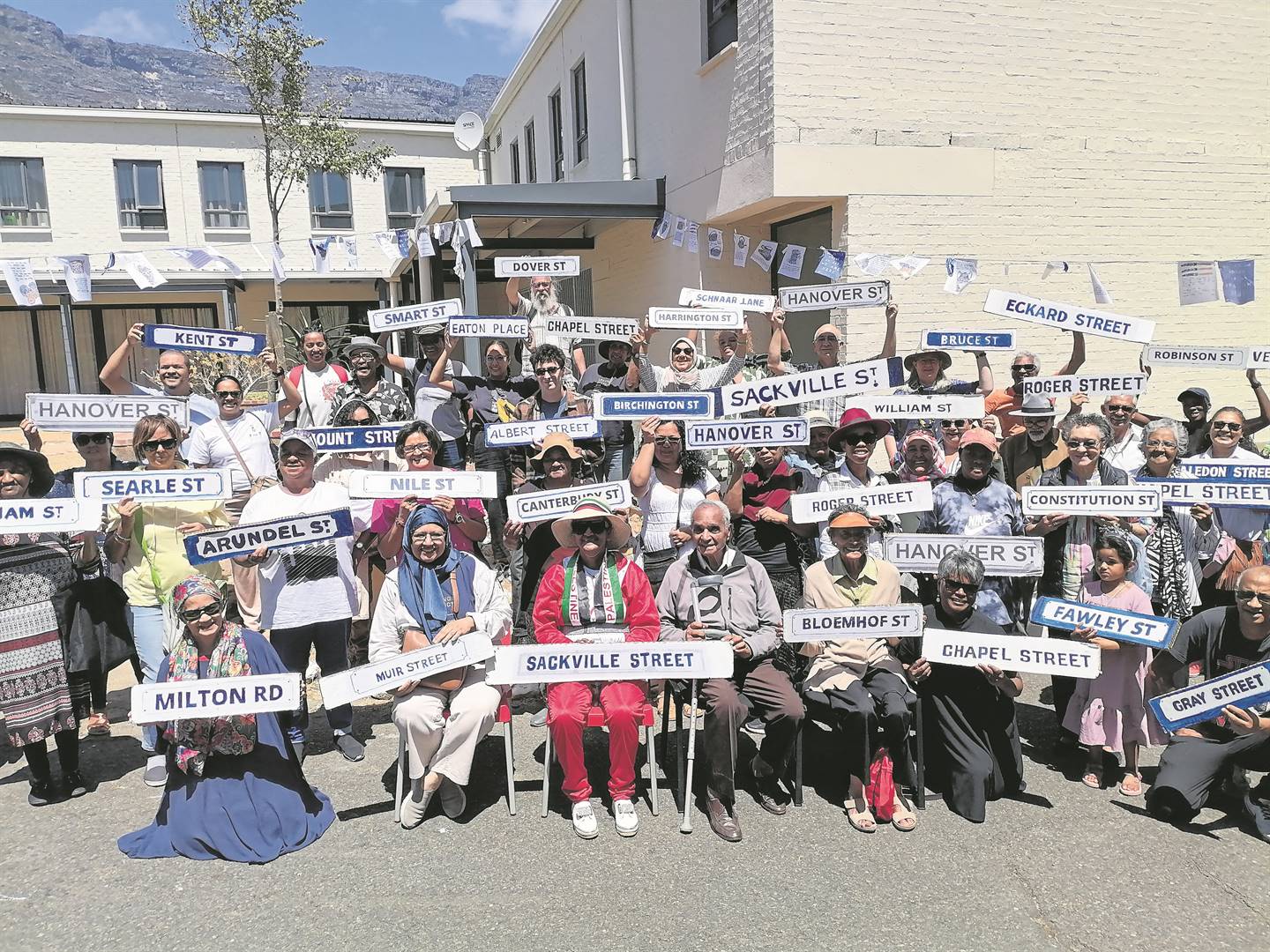
The District Six Museum came alive this morning as former residents, families, claimants and museum patrons gathered to mark the 60th anniversary of the declaration of the area as a white area under apartheid Group Areas Act, ushering in a lengthy period of the mass removal of a once-thriving community.
More than 60 000 people were forcibly removed to outlying areas known as the Cape Flats, their homes in District Six demolished by bulldozers.
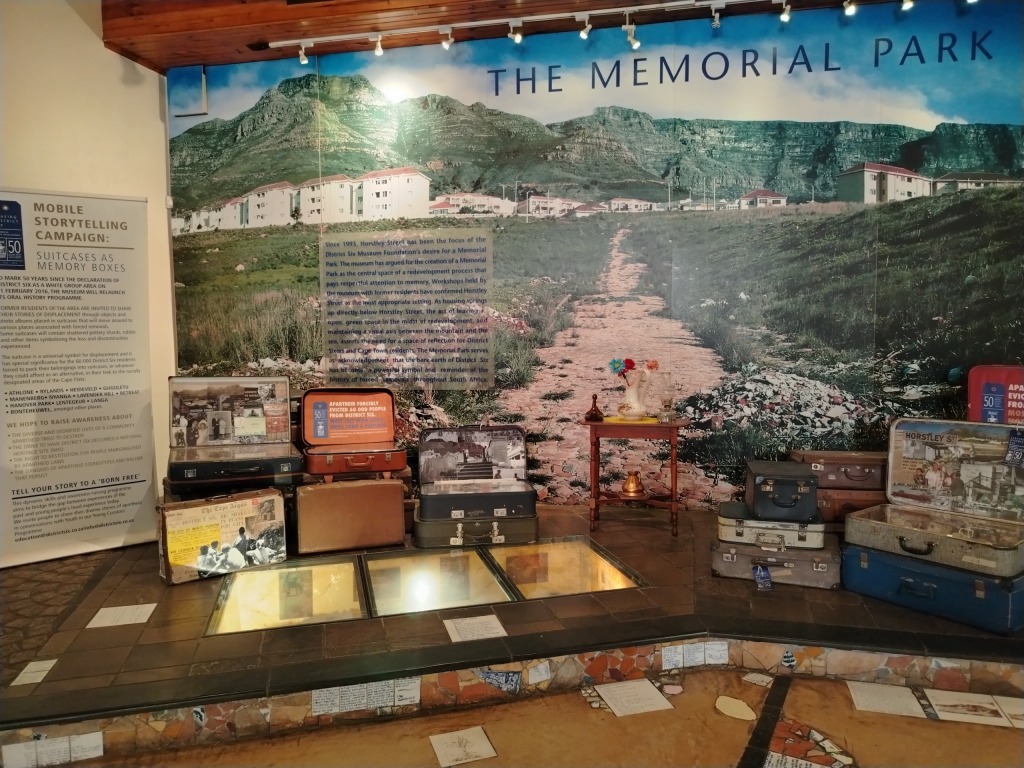
Chrischené Julius, museum director, said a commemorative ceremony is hosted each year, to keep the stories, struggles and spirit of District Six alive.
“On this day we try to remember what it meant to belong to that community. It’s a solemn occasion marking a community’s destruction.”
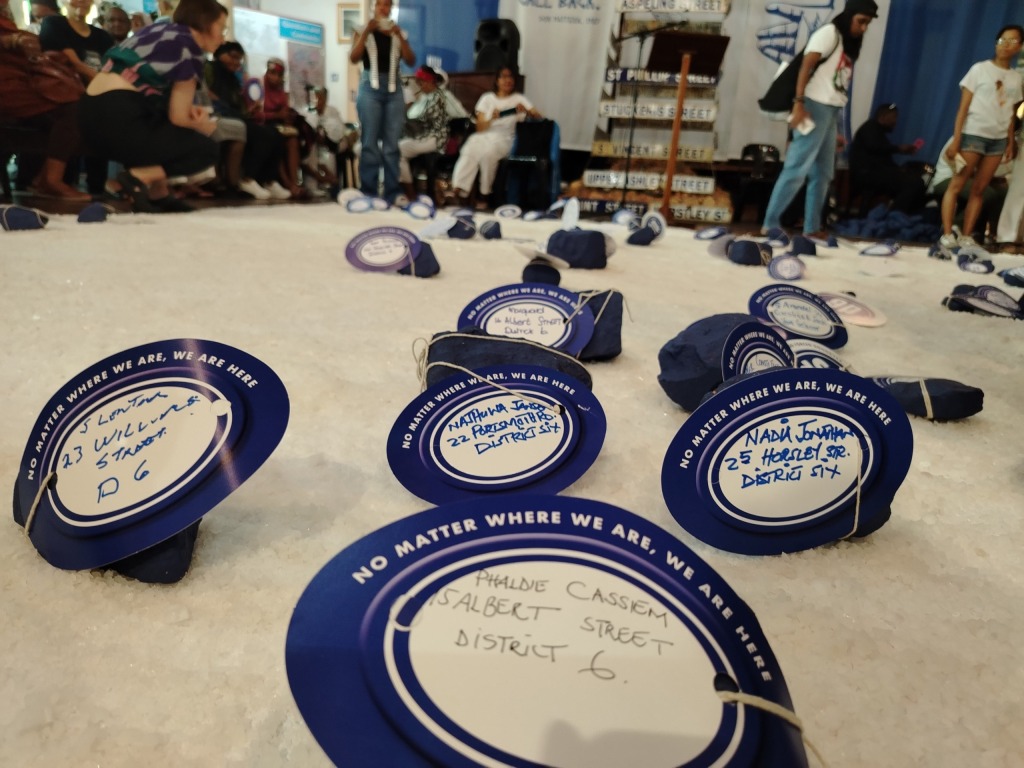
Residents and families were given the opportunity to write messages on stones, a memorialising ritual going back to the 1980s, according to Julius.
“It started in late 1980s when District Six land was still vacant. Each year a group of activists would gather and lay a stone down on the site of what they thought were the old Seven Steps in the former Hanover Street. Over the years the museum has continued this tradition.”
Julius said the stone is an important symbol of the community, of the deep connected to the now-mainly-vacant land that so many remained deeply connected to, representing their bond with it as well as the destruction of their community.
At this year’s commemoration families once again got to share their stories.
Courtney Haas said her grandparents lived in the area and were forced to move to Bonteheuwel. But her grandfather always kept District Six alive in the family’s collective memory and imagination.
“He held on to hope that he would return one day. that is what kept him going, but he died waiting.”
She said after a lengthy land-restitution process the family was finally able to return in 2022.
Susan Lewis (82) said her family’s land-restitution process took nine years and they moved back in 2004.
“My mother was 94 years old at the time when we returned. I am so glad that she was able to experience that and live in District Six for five years before she died. We are glad to be living here again. The house is not perfect, but it’s our Buckingham Palace.”
But for Sherry Becorney (65) the battle to return continued and it was difficult to remain hopeful.
“I was a teenager when we had to move. We used to live in Upper Constitution Street. Every time I come to the museum I get emotional. Remaining hopeful is painful, but for as long as I am alive I will remain hopeful of returning.”