

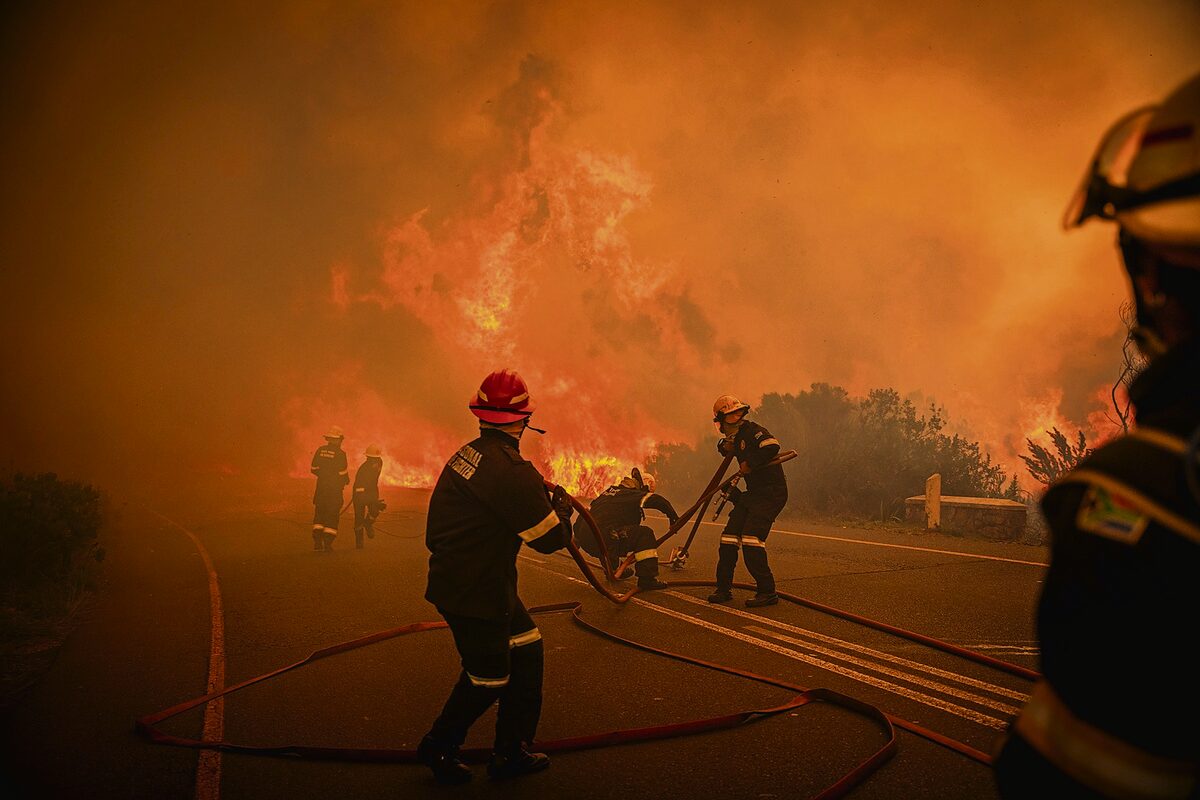
Firefighters are preparing for a difficult season as Cape Town’s Southern Suburbs face an increased wildfire risk. Urban expansion along the mountain fringes and changing climate patterns are intensifying the city’s annual fire season. The increasing Cape Town wildfire risk means that more preventive measures are being put in place.
The City’s Fire and Rescue Service reports that vegetation fires are most common during the hot, dry, and windy months from November to April. Managing Cape Town’s wildfire risk requires vigilant monitoring during these critical months.
“The City’s Fire and Rescue Service concentrates on all types of risks within the boundaries of the City of Cape Town,” said Jermaine Carelse, the service’s spokesperson.
“Vegetation fires are more prevalent during the warm, dry and windy months, from November to March or April.”

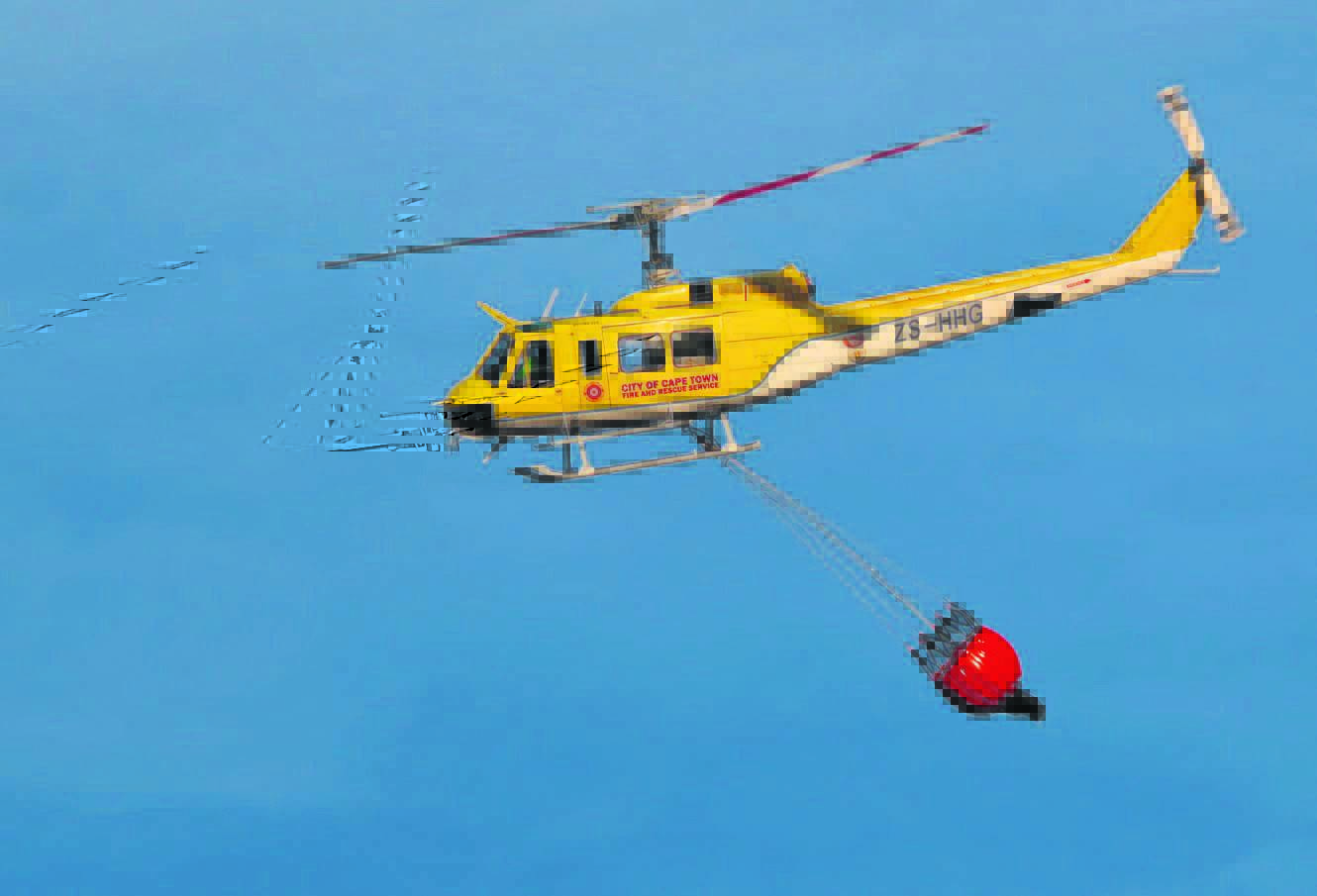
Carelse added that the firefighting capacity will be strengthened this season to combat the Cape Town wildfire risk effectively.
“The City’s firefighters will be bolstered by over 90 wildland firefighters strategically placed in areas prone to runaway vegetation fires. This will free up our on-duty staff to attend other emergencies.”
Urban expansion and climate change increase fire threats
Fires are a natural part of the Fynbos ecosystem, but urban development on mountain slopes and greenbelt areas increases risk to homes and lives. Climate change is contributing to more frequent and intense fires through rising temperatures, prolonged droughts, and shifting rainfall patterns, thereby escalating the Cape Town wildfire risk.
Environmental groups emphasise that managing fires requires careful coordination between residents, local authorities, and park managers.
The role of fire in Cape fynbos ecosystems
Dr Glynis Humphrey, from the African Climate and Development Initiative at the University of Cape Town, highlighted the delicate relationship between fire and the Cape fynbos.
“The Cape fynbos shrublands are a biodiversity hotspot of global importance,” Humphrey said.
“The Cape Floral Kingdom is the smallest but most diverse, hosting 70% of species found nowhere else. Fynbos plants have a particular relationship with fire, and different shrublands require specific fire return intervals. Human activity has disrupted this natural pattern, which can make fires either too frequent or too rare in certain areas.”
Urban-mountain interface fuels wildfires
Humphrey explained that fire occurrence is complex, influenced by fuel availability, temperature, humidity, wind, and land use.
“Along the urban-mountain interface, invasive alien plants such as Pinus, Eucalyptus, and Acacia introduce unnatural fuels. They contain flammable oils and more biomass, which increases fire intensity and spread beyond what indigenous fynbos would cause.”
She advised residents to reduce fire risks.
“Homeowners can remove alien species and replace them with indigenous plants. Resources like the Fynbos Life website provide guidance on fire-proof gardening.”
Humphrey also called on conservation authorities to prescribe controlled burns under proper conditions.
“This requires careful planning, persistent implementation, and collaboration across all organisations to protect biodiversity and reduce wildfire threats.”
Safety guidance for residents
As summer approaches, residents are urged to stay alert, clear vegetation near homes, and follow official fire safety guidance.As summer approaches, the Cape Town wildfire risk prompts residents to stay alert, clear vegetation near homes, and follow official fire safety guidance. Coordination between residents, local authorities, and park managers is essential to manage wildfire risks effectively.



You must be logged in to post a comment.