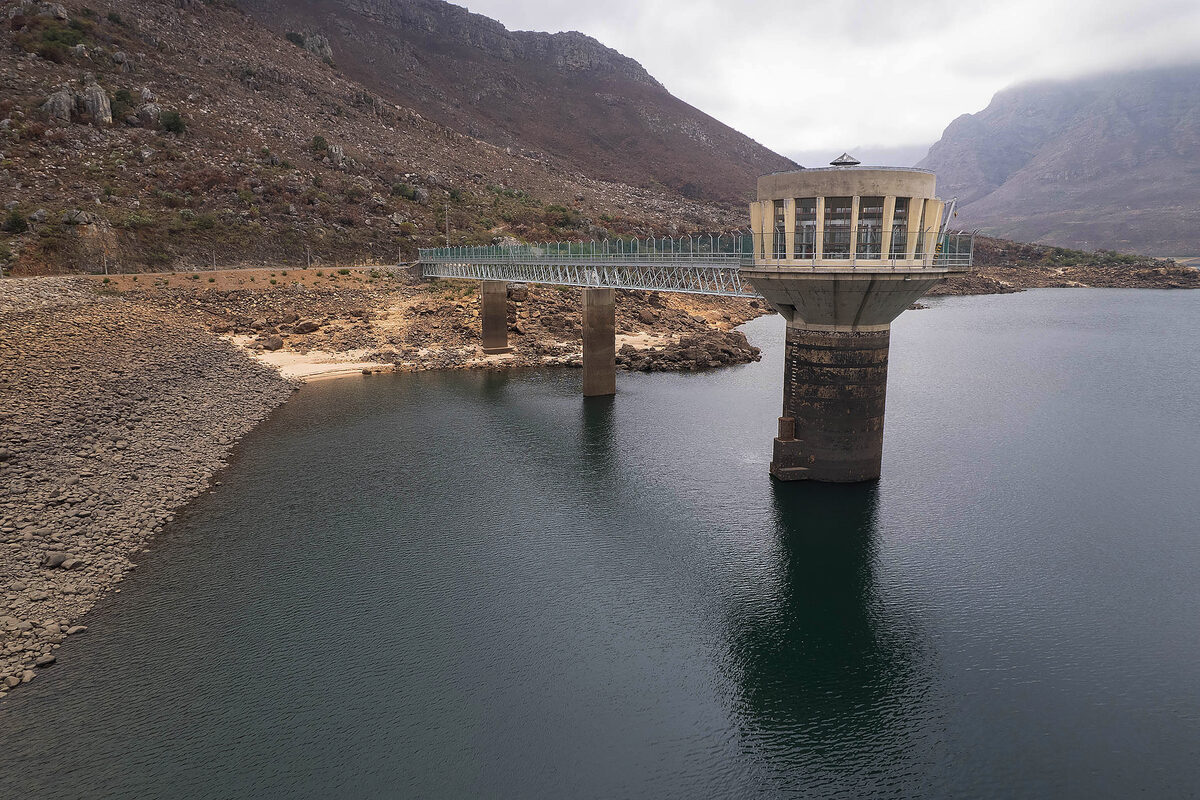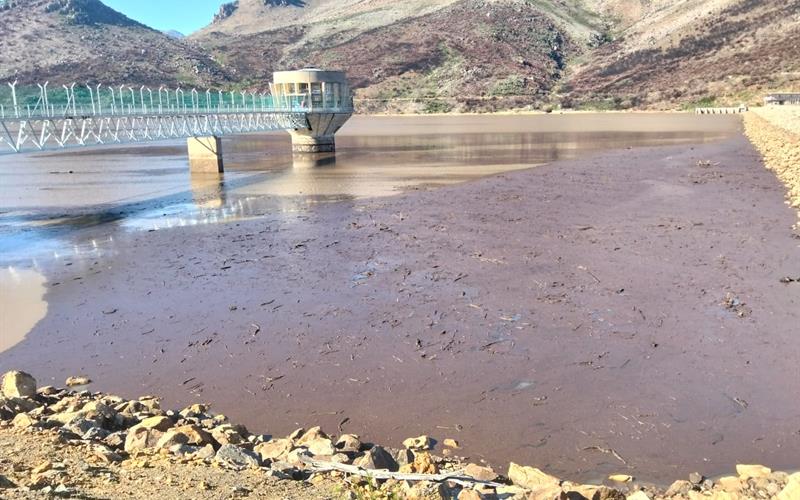
Cape Town residents and businesses are being urged to reduce water usage to essential needs only after recent severe weather disrupted key water treatment operations across the city.
The City’s Water and Sanitation Directorate issued the appeal on Friday 16 May, warning that heavy rainfall and flooding in mountain catchment areas have affected the quality of raw water entering several treatment plants.
Although tap water remains safe to drink, the City has advised residents to boil any discoloured water as a precaution and report it immediately.
Water Pressure
According to the Directorate, the recent storms caused mud, debris and other material to wash into major dams supplying the city, particularly the Wemmershoek and Theewaterskloof dams.
This led to significantly higher turbidity and colour levels in the raw water, making treatment more difficult and slowing down normal production at the Wemmershoek and Blackheath water treatment plants.
While both facilities are still operational, production volumes have been reduced as technicians work to maintain drinking water standards.
Further strain was placed on the system after technical faults at the Voëlvlei Water Treatment Plant over the past two days also reduced water production.
The combined impact has lowered drinking water volumes in the city’s bulk storage reservoirs, placing pressure on the wider supply network.
The Directorate said operational teams are working continuously to stabilise the system and restore reservoir levels.
Measures include optimising treatment processes and increasing chlorine dosing where necessary to deal with the higher turbidity levels.
Storm Impact
Monitoring and testing throughout the water network have also been intensified to ensure treated water continues to meet the required SANS 241 drinking water quality standards.
Mayoral Committee Member for Water and Sanitation, Zahid Badroodien, said cooperation from the public is crucial during this period.
“The recent severe weather has had a direct impact on several key components of the City’s bulk water system,” he said.
“While teams are working around the clock to stabilise operations and recover reservoir levels, it is critical that we work together to maintain stable levels across the water supply network.”
Residents are encouraged to avoid all non-essential water use, including watering gardens, topping up swimming pools and excessive outdoor cleaning.
Essential Use
The City said reducing consumption now will help maintain stable supply levels while treatment plants remain under pressure.
People who notice brown or discoloured water coming from taps should report it to the City and boil the water before using it for drinking or cooking.
Water Pollution Control inspectors will investigate complaints and collect samples for testing where necessary.
Residents can report water issues through the City’s call centre, WhatsApp line, email service or online service request platform available on City of Cape Town.
The City thanked residents and businesses for their patience and cooperation as teams continue managing the temporary impacts caused by the recent storm.
ALSO READ: DA addresses water wastage and infrastructure failures in Free State municipalities