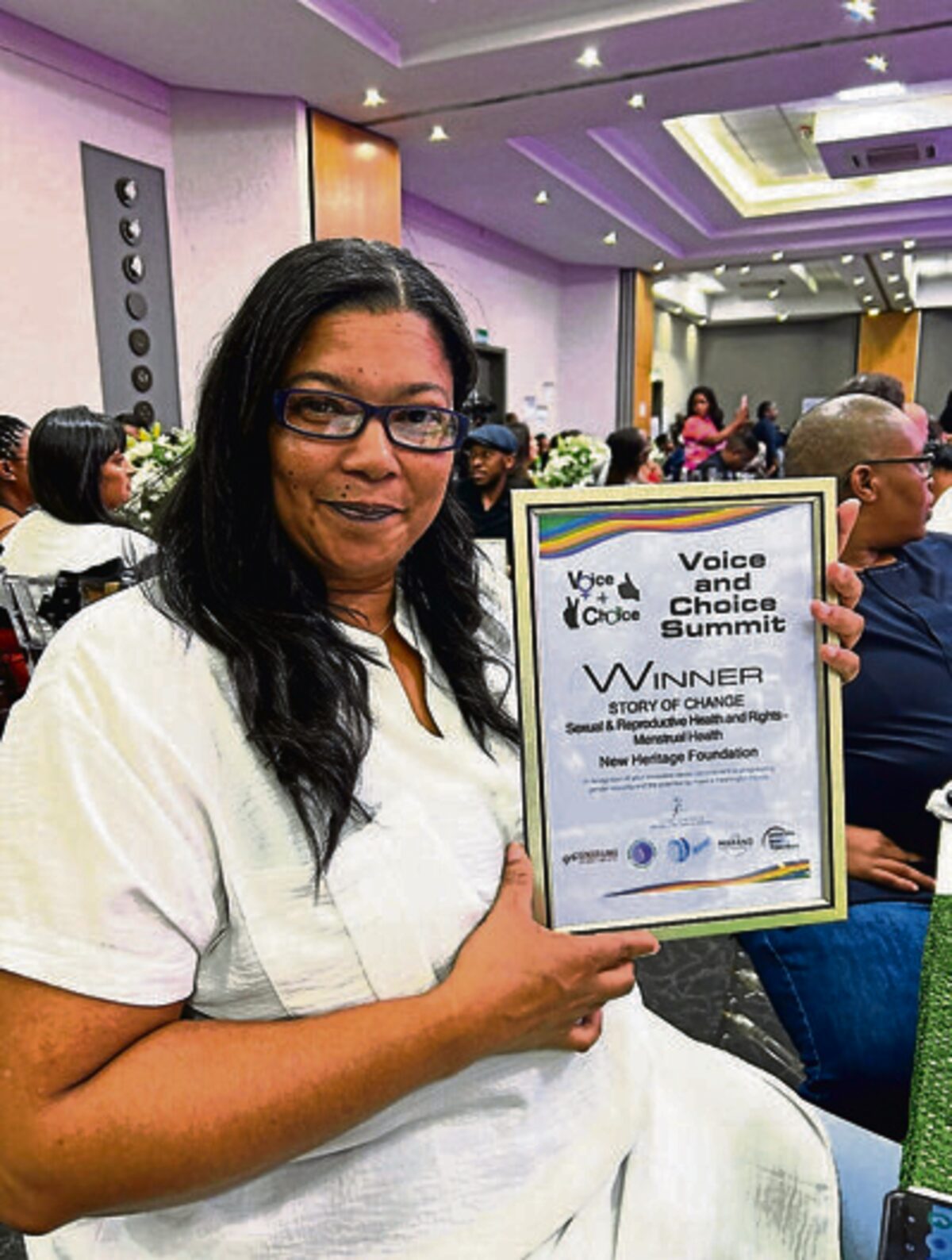
A campaign to tackle period poverty in Southern Suburbs schools has grown far beyond its original scope reaching adult women after learners began bringing pad packs home to share with female relatives who could not afford sanitary products.
The initiative, sponsored by Children of tomorrow SA (Cotsa), a non-profit organisation (NPO) focused on empowering underprivileged and vulnerable youth through academic support, community development, and educational initiatives targeted 1 842 girl learners across several local schools.
It has since expanded to reach 5 167 females, including women in learners’ households who had quietly been going without.
“We did not anticipate the extent of the need within learners’ homes,” said Cotsa founder Amanda Fortuin.
“Many girls asked for additional pad packs for their mothers, sisters, cousins and aunts. This shifted the project from a school-based intervention to something much bigger becoming a safety net for entire families.”
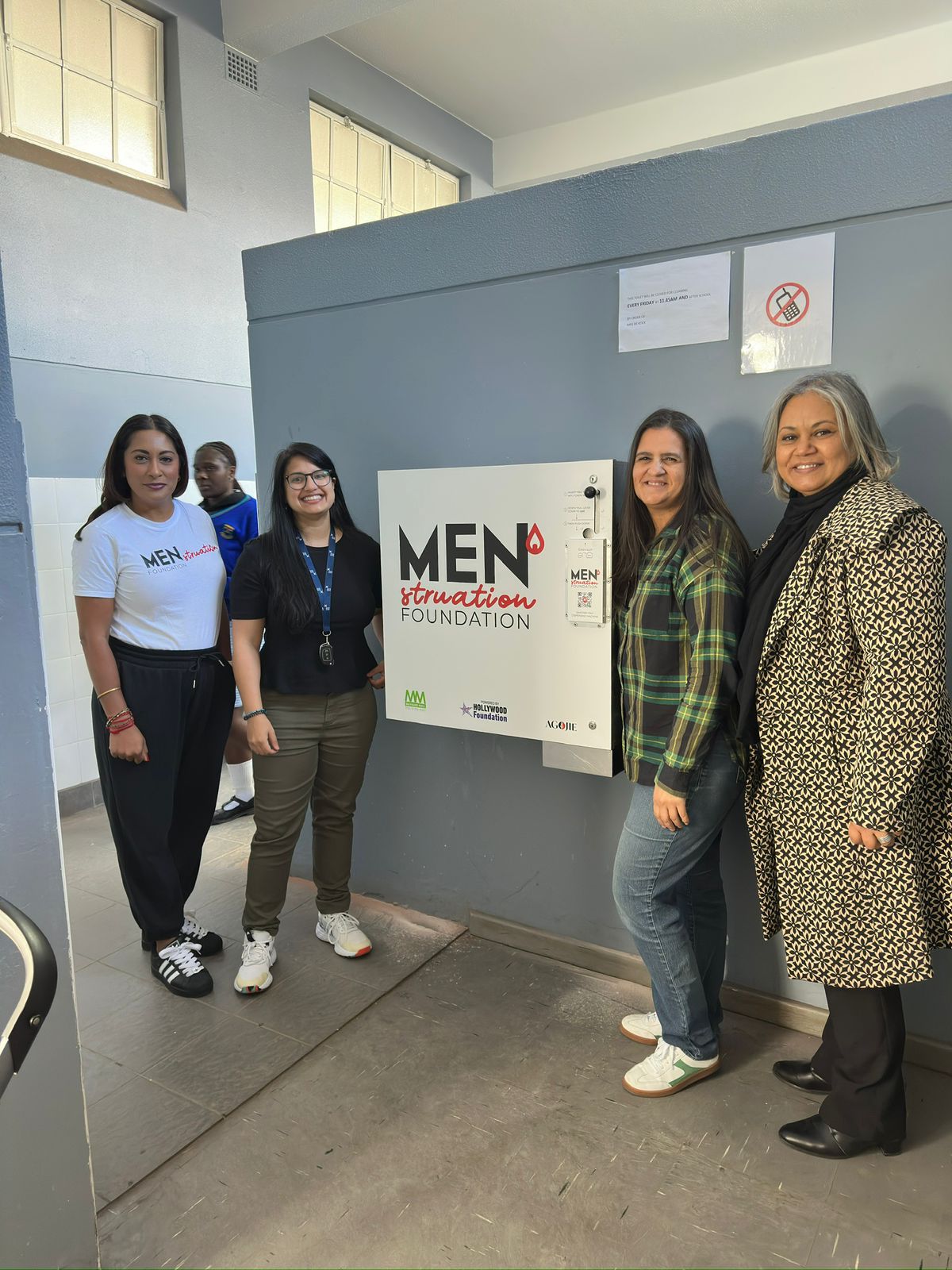
The campaign saw pad vending machines installed at Wittebome and Immaculata RC Girls’ high schools, while an existing machine at Wynberg Girls’ High School was renewed.
Pad packs were also distributed to learners at Dominican School for the Deaf, Muhammadeyah Primary School, Douglas Road Primary School, St Augustine’s RC Primary School, Focus College and Ottery Road Methodist Primary School.
Ask for help
Feedback from schools quickly revealed that period poverty extended well beyond the school gate.
“One parent shared that she had been using a towel during her menstrual cycle because she could not afford sanitary pads,” said Fortuin. “She was too embarrassed to ask for help. A teacher noticed the family was struggling, and the school now ensures she receives pads every month.”
Fortuin said the reality of menstrual poverty and the silence surrounding it was one of the project’s most sobering findings.
Wittebome Principal Clarice Fortuin said the school had long relied on organisations such as Cotsa to help learners.
That changed in October last year, when a partnership with Maynard Mall Marketing Manager Reshmaan Loofer saw the installation of a free sanitary towel vending machine in the school’s female restroom giving learners token-based access to products without having to ask.
“What has been most unexpected is the reach beyond our school gates,” said Fortuin.
“Because there is no limit to how many pads a learner can collect, our girls are able to take products home for their mothers and sisters too. Wittebome serves learners from communities all across Cape Town, and now that care extends into their households.”
Fortuin said the impact on attendance and confidence had been significant. “Some of our girls were staying home every month — no doubt affecting their education.
Less absenteeism
“The shame, anxiety, and worry that come with not having access to sanitary products have been averted. Our girls can confidently continue everyday life during menstruation, knowing their needs are met.”
She added that the initiative carried a message she believed every school in the country should embrace.
Beyond access to products, Fortuin highlighted the broader consequences of menstrual poverty.
Limited access to clean water, sanitation and hygiene products forces many girls to use makeshift alternatives, increasing the risk of infections and leading to missed school days, reduced academic performance and ongoing stigma.
The initiative aligns with growing national conversations around menstrual health equity and the call for free sanitary products in all South African schools.
Fortuin described the project as an example of ubuntu, the African philosophy of shared humanity and collective care.
“This initiative reminds us that every woman deserves dignity, care and support, regardless of her circumstances,” she said.
“No girl should have to choose between her education and her basic needs.”
ALSO READ: She Matters campaign supports girls with sanitary products