

As South Africa commemorates Youth Day today (16 June), questions remain about the role, ambition and activism of today’s young people.
While the youth of 1976 are remembered for their courage and determination in the fight against apartheid, some older generations believe today’s youth are less driven and committed to social change.
To explore these perceptions, People’s Post asked young people whether they believe their generation is unfairly judged, and invited older South Africans to share their views on whether today’s youth are less ambitious or simply navigating a different set of challenges and opportunities.
Lorin Mitchell said she has respect for the youth of 1976 because they “put their lives on the line” for a better future for today’s generation.
“I don’t think my generation necessarily lacks drive; we’re just fighting completely different battles. Back then, the enemy was clear and right in front of them. Today, we’re dealing with a massive surge of unemployment, the cost of living is way more expensive, and trying to break into a world that feels stacked against us economically and still trying to become our own person while navigating through life. It takes a different kind of grit to keep pushing forward when the future feels this uncertain. We’re still driven to change things; we’re just trying to survive the system we inherited first.”
Shanaas Johnson said: “We are growing up with different tools and pressures, student debt, housing costs, weak economy, social media. I don’t think we are less driven. I think the battlefield changed and it’s more difficult to have things like job security and buying a house. So, I’d say: not less committed, just committed differently.”

Joanne Meyer said: “I don’t think it is about being more or less ambitious, but rather that the ambition today may look different. It can be seen as less collective and more individual. Many young people are highly motivated and are making deliberate decisions about their future – prioritising development, stability and wellness and leveraging technology. Young people are seeking sustainable growth, meaningful work and career/life balance and integration. Their ambition is very much present.”
Aaminah Muhamud said: “I think this idea comes from comparing two very different realities, and it doesn’t tell the full story. The youth of 1976 fought in a visible and united way, while today’s youth face challenges like unemployment, inequality, and limited opportunities. Young people today are still driven and hungry for success. Many are eager to further their education and build skills, but they don’t always have access to the opportunities they need. I think it’s not a lack of commitment, but often a lack of opportunity. The resilience is still there, and with the right support, they can create meaningful change.”

Judith Baxolile Gwala said: “They are ambitious but in different ways cause they do their things in different ways, but if you look at what they are fighting for, they also want freedom and to be heard , and if they are not listened to they find a way of fighting for what think they are deserving, how do they fight they would block somethings that they know it will make whoever is incharge . They still force things.”.
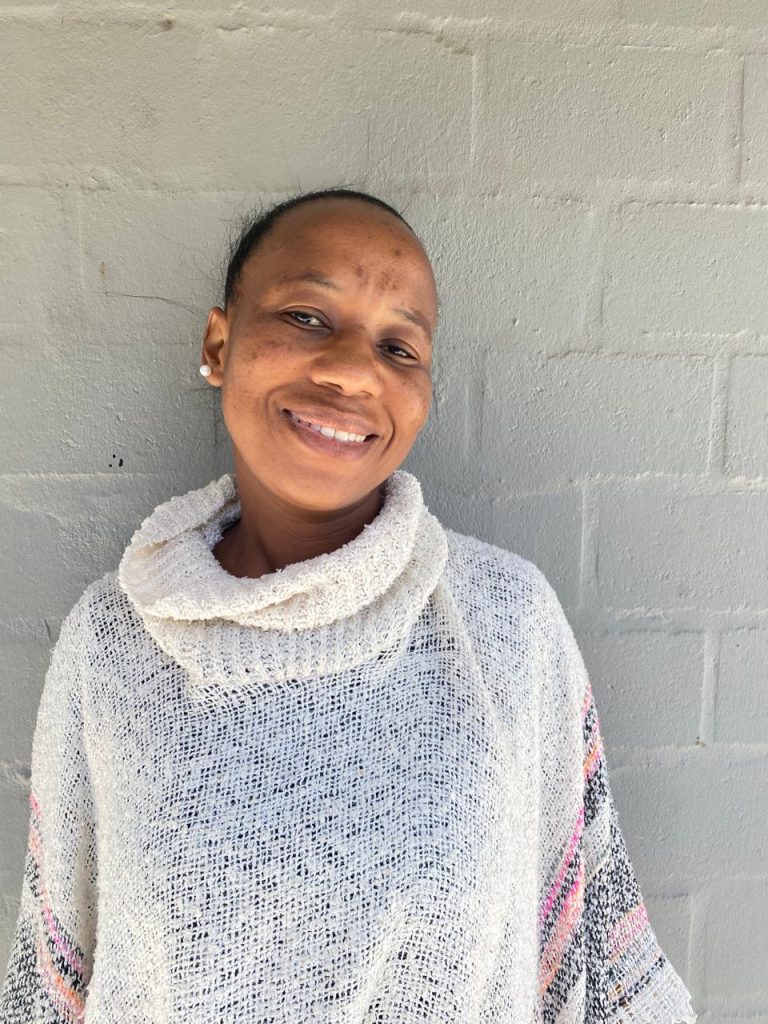
Kwakhanya Zweni said: “I believe today’s youth are just as driven as the youth of 1976. We face different challenges, but we are still passionate about creating change. We use different tools, such as technology and social media, to raise awareness, support our communities, and fight for a better future.
The spirit of youth activism is still alive,it simply looks different today. It’s all about perspective, and it begins with parenting, whereby parents are failing to teach their children (teens) how to grow. I don’t believe today’s youth are less driven than the youth of 1976. The difference is that we face different challenges. Many young people are passionate about creating change, but they are also affected by issues such as unemployment, poverty, crime, substance abuse, and negative influences within some communities.”
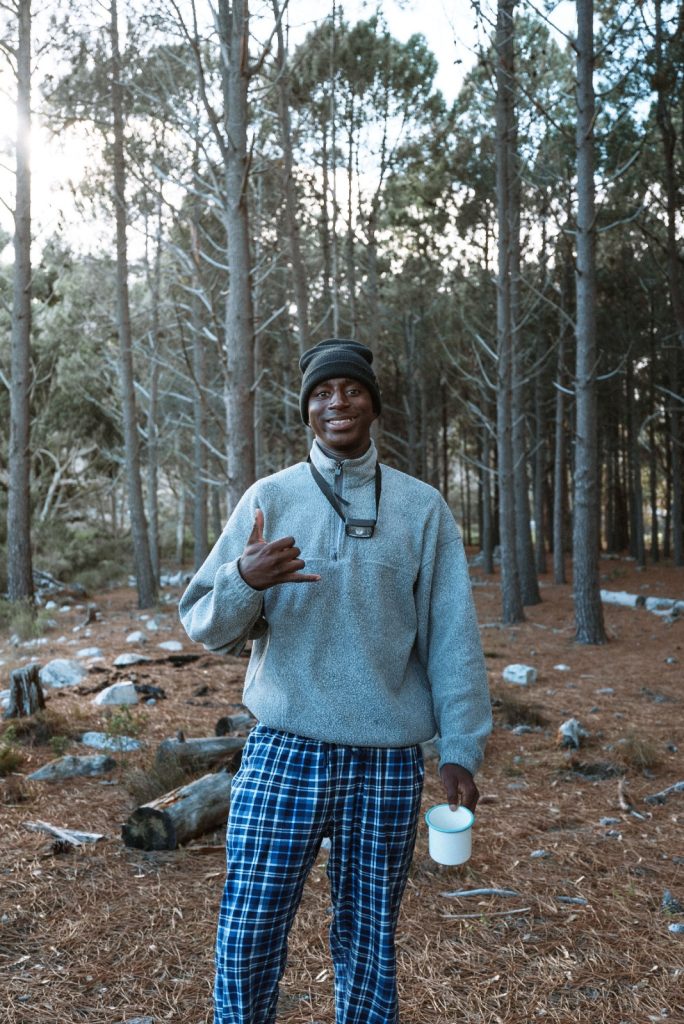
Joslau Baron said: “I think that today’s youth may not be ‘less driven’, but we definitely have it a lot easier than the youth of 1976. That was during the years of apartheid. And that was a completely different time. There were different rules and expectations from certain people. Youth, especially youth of colour, were forced to fight and even die in the name of change. They had to face discrimination and mistreatment. They didn’t have access to the opportunities and lifestyles of the white community.

“There weren’t that many jobs and different ways of income like there is today. People were forced to work in order to survive. Young or old, they were focused on survival and freedom. So, do I think we are less driven? Yes and no. But only because the youth of that time fought for the youth of our time. They shed their blood, sweat and tears.
For us to have access to opportunities, freedom, and change that they were banned from most of their lives. The youth of today still have battles to fight sure. But we don’t have to pay with blood. And our voices are more easily heard.
“The youth of 1976 fought harder and had a heavier price to pay than what we have. We are less driven if you compare us to 1976. But that’s only because not even half of what they had to do,is expected or needed from us.”
Kian Jordaan said: “I don’t think it’s fair to say young people today are less driven than the youth of 1976. Back then, the youth were fighting apartheid and standing up against very clear and serious injustice, which took a lot of bravery. Today’s youth deal with different problems, and they also show their drive in different ways.
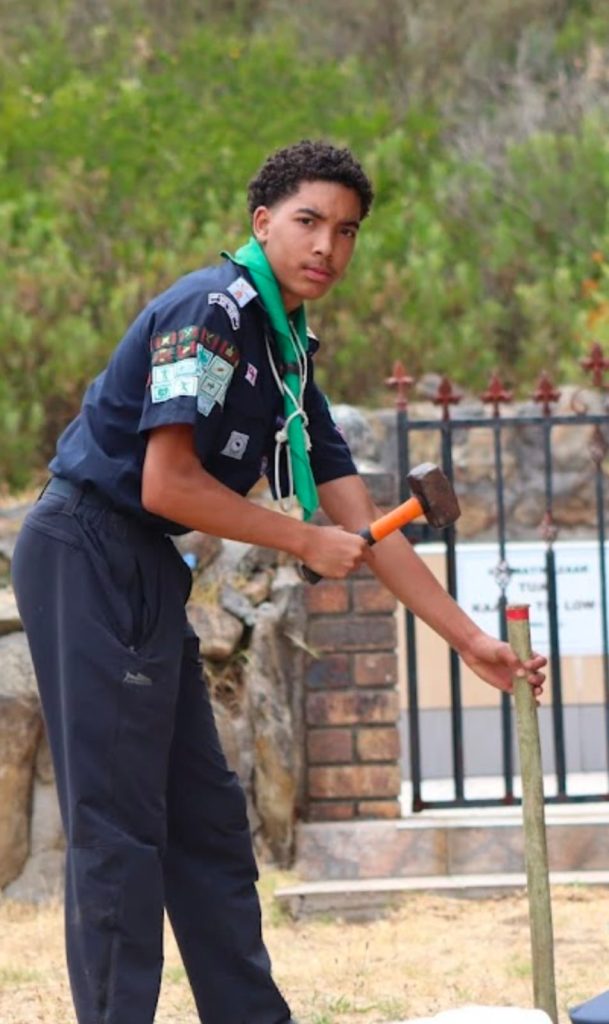
A lot of it happens through social media, community action, and speaking out on issues they care about. It might not always look the same as protests in the past, but that doesn’t mean there’s less commitment. In the end, each generation responds to the challenges of its own time, and both have shown that young people can push for change.”
Amber van Rhyn said: “I don’t think young people today are less driven than the youth of 1976. The challenges are different, but the desire for change is still there.
The youth of 1976 fought for political freedom and equal education, while today’s youth are tackling issues like unemployment, mental health, inequality, climate change, and access to opportunities.”
Every generation expresses its activism in ways that reflect the times they live in.

Christine Kaye said: “I don’t think ambition is something that belongs to one generation or another. Every generation has people who are driven to make a difference.
The youth of 1976 faced very different challenges to those young people face today, and their response reflected the times they lived in.
Today’s youth are simply growing up in a different world with different challenges and opportunities.
Every generation has people who want to create change, and hopefully each generation leaves things better for the next.”
ALSO READ: Pelican Park learner selected for South African U-15 baseball team


You must be logged in to post a comment.