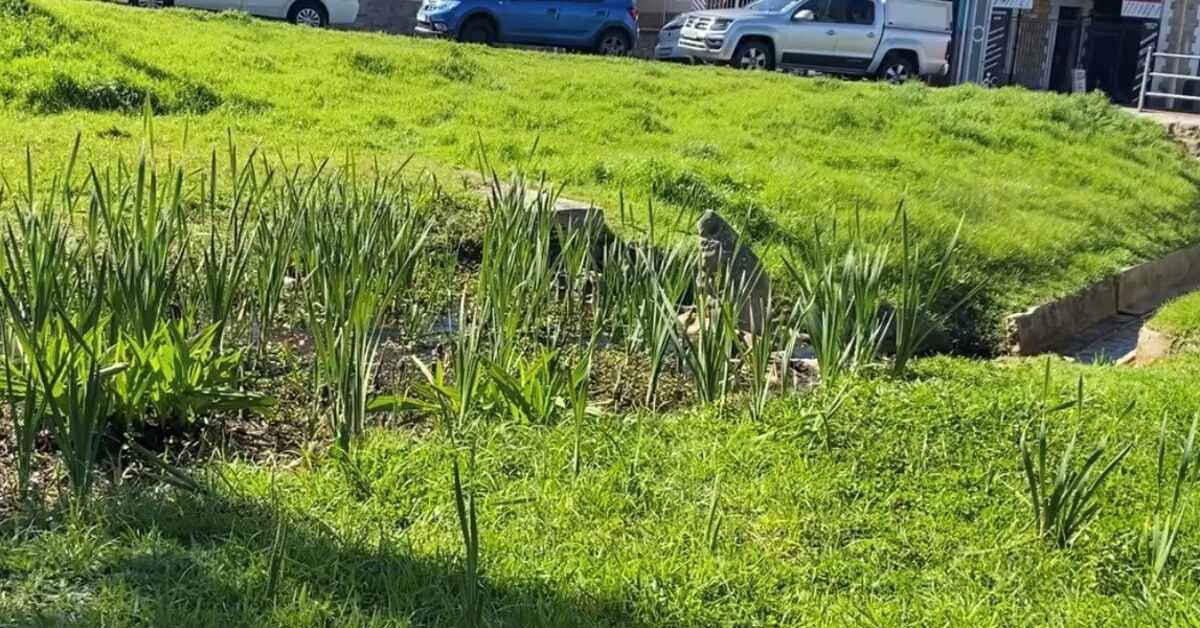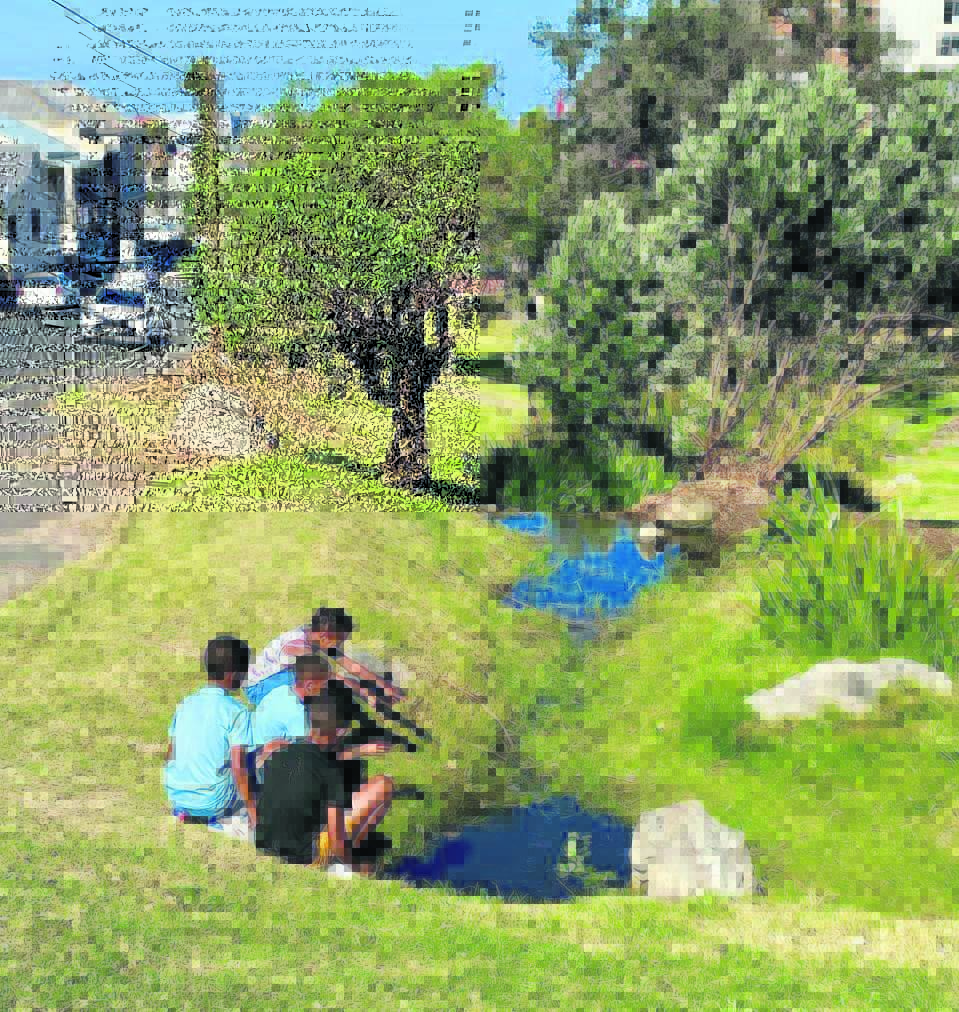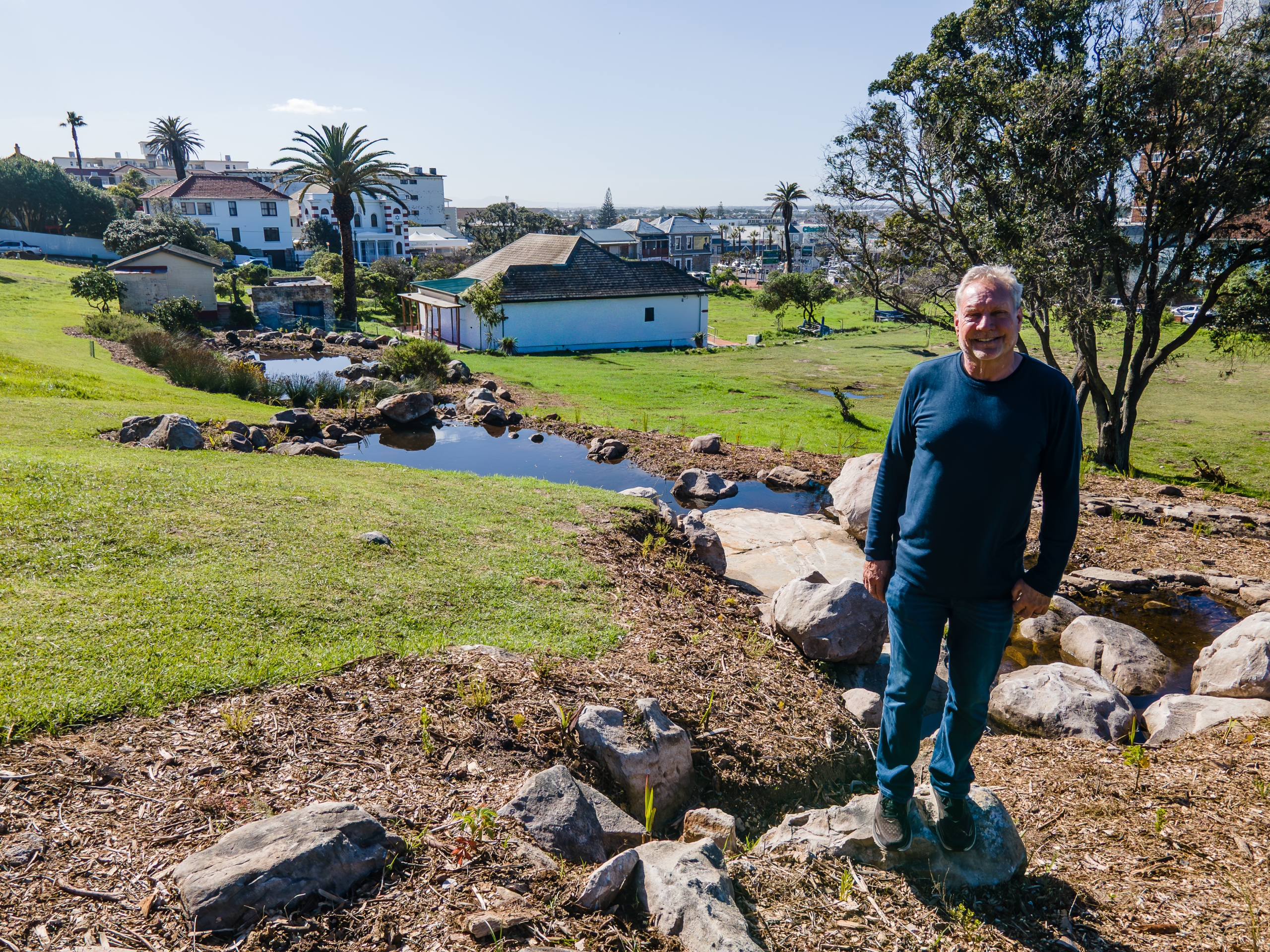
Muizenberg Park’s ambitious wetland restoration project is entering its final phase, marking a significant milestone in a years-long community effort to restore critically-endangered Cape Lowland Wetland Fynbos in one of Cape Town’s oldest public green spaces.
The Friends of Muizenberg Park (FOMP) recently announced that Phase 3 of the rehabilitation project is nearing completion.
Wetland revival
According to FOMP member John Venn, the project represents the “final stretch” in restoring a rare and ecologically valuable wetland habitat that had become heavily overgrown with invasive alien vegetation and non-indigenous grasses.
The project focuses on rehabilitating a 1 000 m² wetland mosaic within Muizenberg Park.
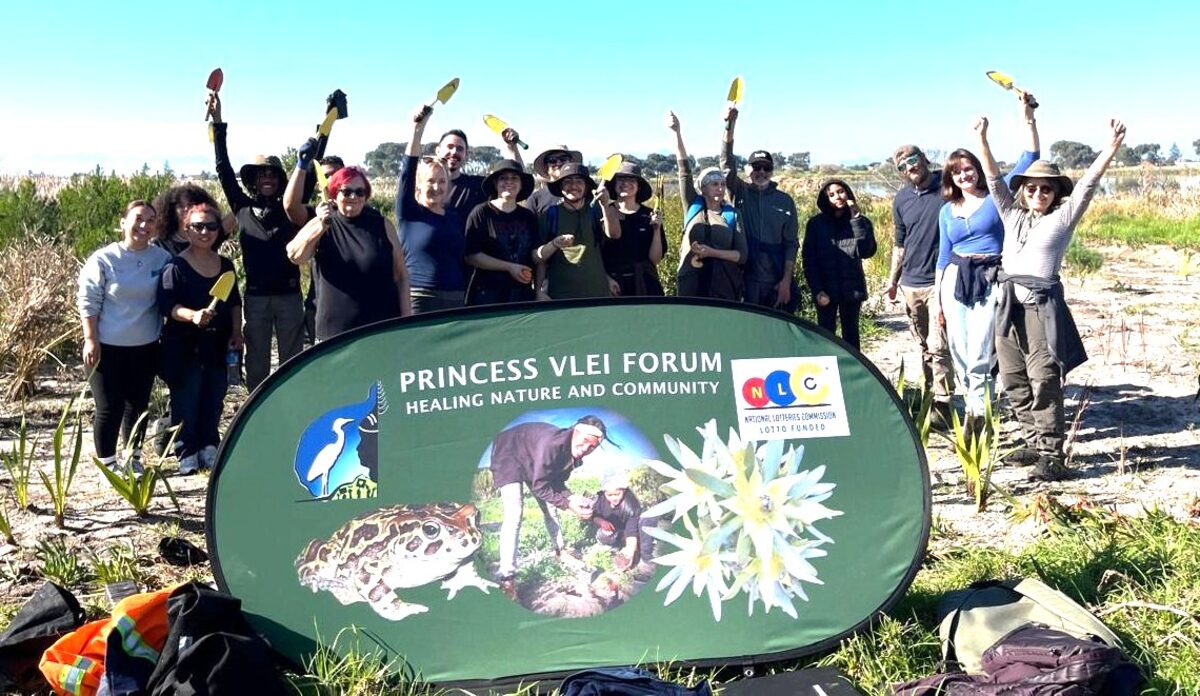
Volunteers and environmental specialists have worked to remove invasive species and reintroduce indigenous plants naturally found on the Muizenberg mountainside.
Beyond ecological restoration, FOMP hopes the project will create a “living classroom” where residents, learners and visitors can reconnect with the region’s natural heritage and gain a deeper understanding of biodiversity and wetland conservation.
Community conservation
One of the project’s recent highlights has been the planting of more than 2 000 fynbos seedlings.
These include 15 highly aromatic species that will form part of a planned “scent pathway” as well as three critically endangered plant species.
FOMP said the success of the rehabilitation will be measured through ecological recovery, public participation and long-term accessibility.
Organisers hope the restored ponds will attract indigenous birdlife and insects back to the area, while the successful establishment of fynbos ahead of the winter rains remains a key priority.
The rehabilitation has also included infrastructure upgrades such as stream-flow restoration and the construction of new upper and lower ponds designed to support wetland biodiversity.
Fynbos future
In future, educational signage and QR codes linking visitors to plant lists and interactive “Scent Maps” will form part of the visitor experience.
FOMP believes these additions will help transform Muizenberg Park into one of the South Peninsula’s most accessible collections of indigenous fynbos.
The project has been funded entirely through donations from residents, individuals and private trusts as part of a R500 000 fundraising campaign.
FOMP is now appealing for additional support to help secure the long-term sustainability of the restoration.
Residents interested in supporting the final funding drive or learning more about upcoming garden tours can contact John Venn via email at jgvenn@yahoo.com or WhatsApp on 067 382 4260.
ALSO READ: Schaapkraal youth event tackles mental health and AI awareness