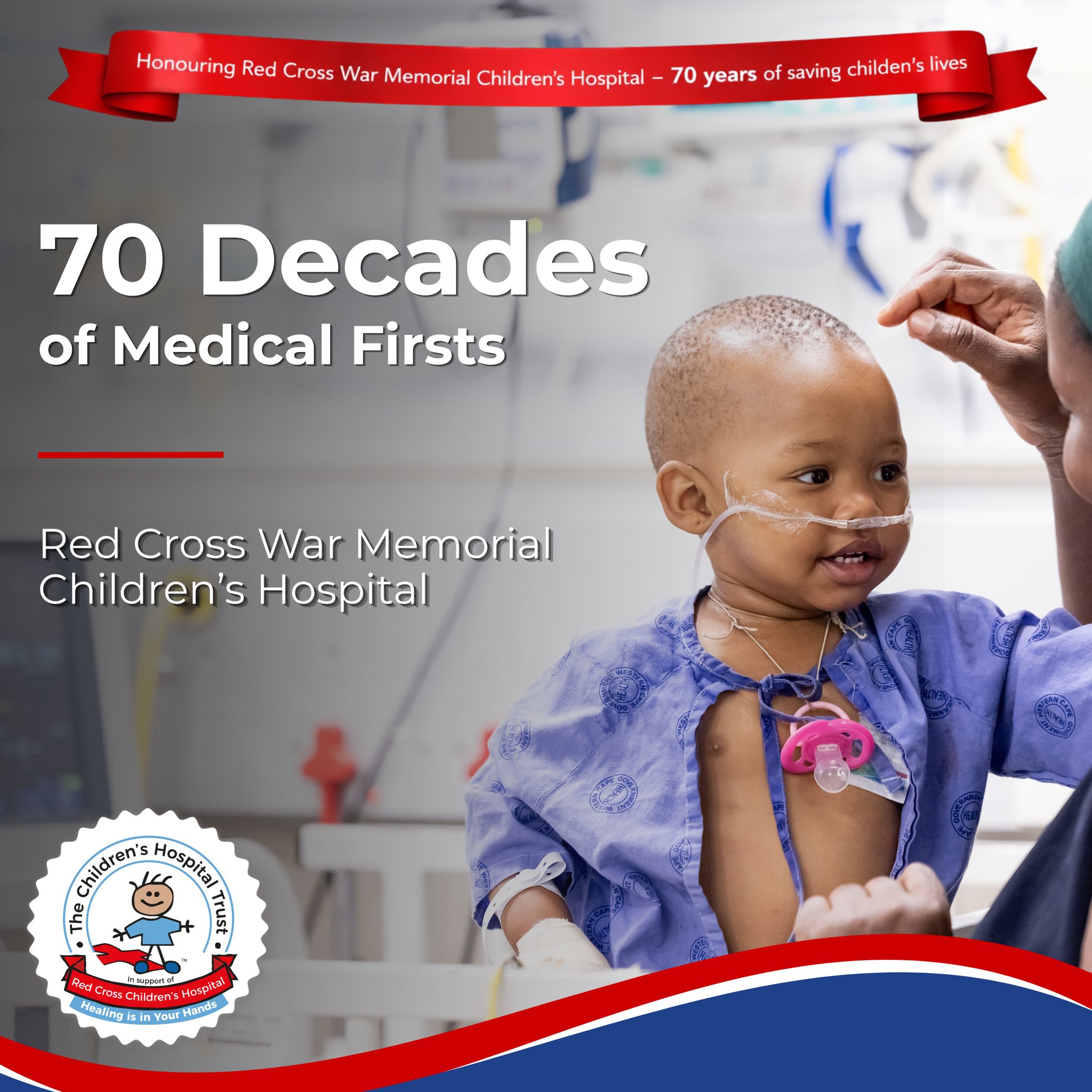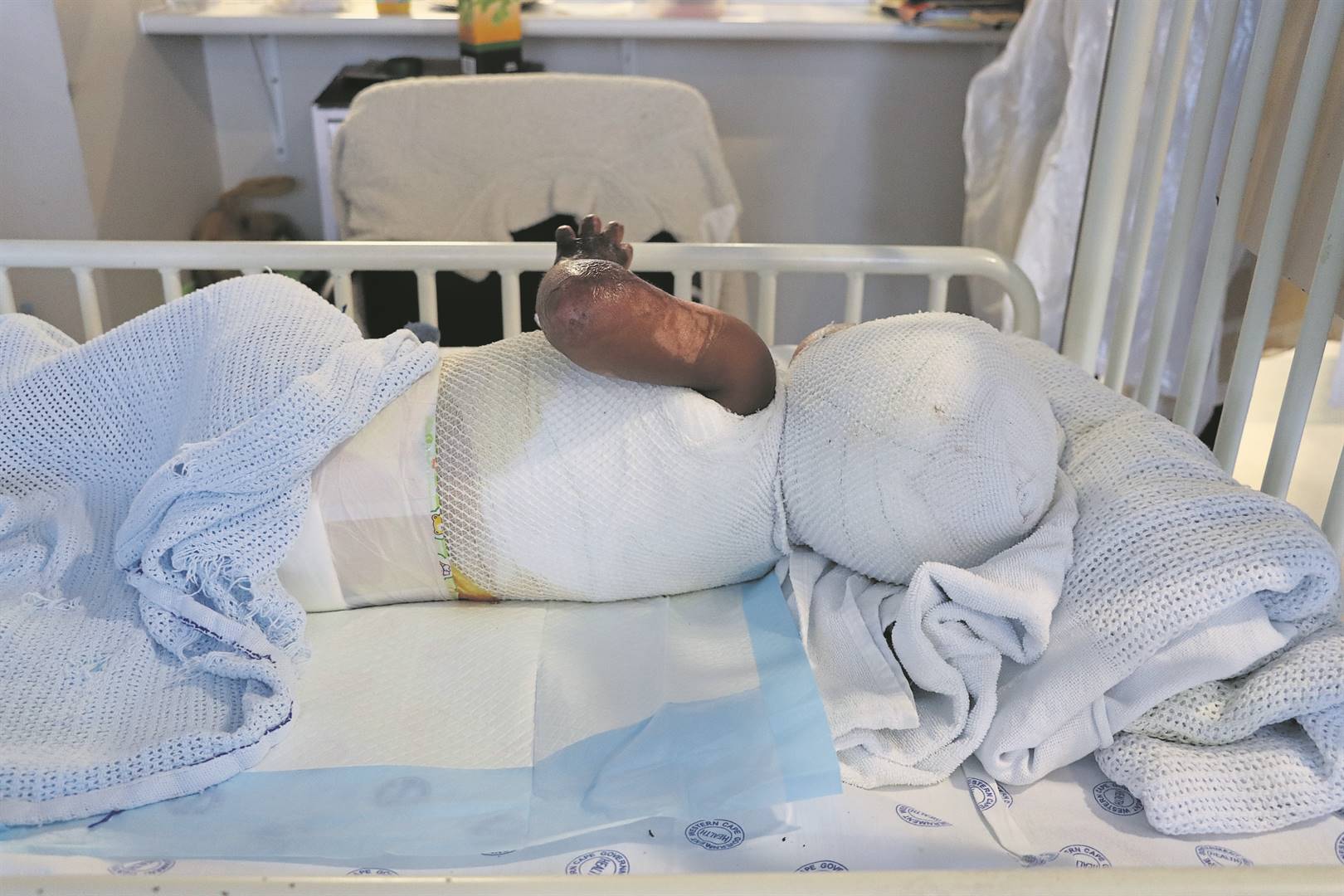
As Red Cross War Memorial Children’s Hospital marks 70 years of caring for children, doctors are raising concerns about the high number of severe childhood burn injuries treated each year. Many of these injuries are preventable.
The specialist hospital opened in 1956. It remains the only dedicated paediatric hospital in the Western Cape. Doctors there treat hundreds of burn cases every year. Most patients are younger than five years old. Most injuries happen inside the home.
“Burn injuries remain one of the most common and devastating forms of preventable trauma we see in young children,” said Dr Tomé Mendes, Head of the Burns Unit at the children’s hospital. He explained that children are especially vulnerable because their skin is thinner and more sensitive to heat. Even brief exposure can cause serious injury.
Common household dangers
Dr Destiny Links, plastic surgeon at the children’s hospital, said the hospital regularly treats severe burns linked to everyday household routines.
“One of the most common and preventable scenarios we see involves bath basins,” she said. “Parents may fill a basin with hot water first and step away briefly to fetch cold water. In that short time, a toddler can climb into the basin.”
She said parents often place the basins on the floor. This can lead to catastrophic injuries. Doctors say most paediatric burns happen in kitchens, bathrooms and living areas.
Common dangers include:
- Boiling water,
- Kettles,
- Pots,
- Open flames,
- Paraffin stoves, and electrical appliances.
The hospital urges parents and caregivers to keep hot liquids and electrical cords out of children’s reach. Doctors also advise people to turn pot handles inward while cooking. Children should never be left unattended near hot water or cooking areas.
Bath safety and first aid
Links stressed the importance of preparing bath water safely. “Prepare baths by adding cold water first, then hot water,” she said. “Always test the temperature before placing a child in the bath.”
Doctors also highlighted the importance of immediate first aid after a burn injury. “The burnt area should be placed under cool running water for a full 20 minutes,” said Links. She said proper cooling helps stop the burn from becoming deeper. It can also reduce long-term damage. Mendes added that early treatment can improve recovery outcomes.
“Appropriate first aid, administered as early as possible, has the potential to reduce the severity of a burn injury and the time it takes to heal,” he said.
Long-term support for families
Beyond emergency treatment, the hospital’s burns service provides reconstructive surgery, rehabilitation and psychosocial support. Doctors say long-term recovery affects both children and their families.
“Burn injuries don’t end when the wounds heal,” said Links. “Supporting a child’s emotional, psychological and social well-being is just as important as treating the physical injury.”
One former patient now volunteers in the Burns Unit. William Baartman suffered severe burns as a child in 1977. He received treatment at the hospital and now supports children and families facing similar experiences.
A call for prevention
As the hospital celebrates its milestone anniversary, doctors are urging communities to prioritise burn prevention and child safety at home.
“Protecting children begins at home,” said Links. “With stronger prevention, correct first aid and early medical care, we can reduce the number of children who need our burns service, and that is always our goal.”