

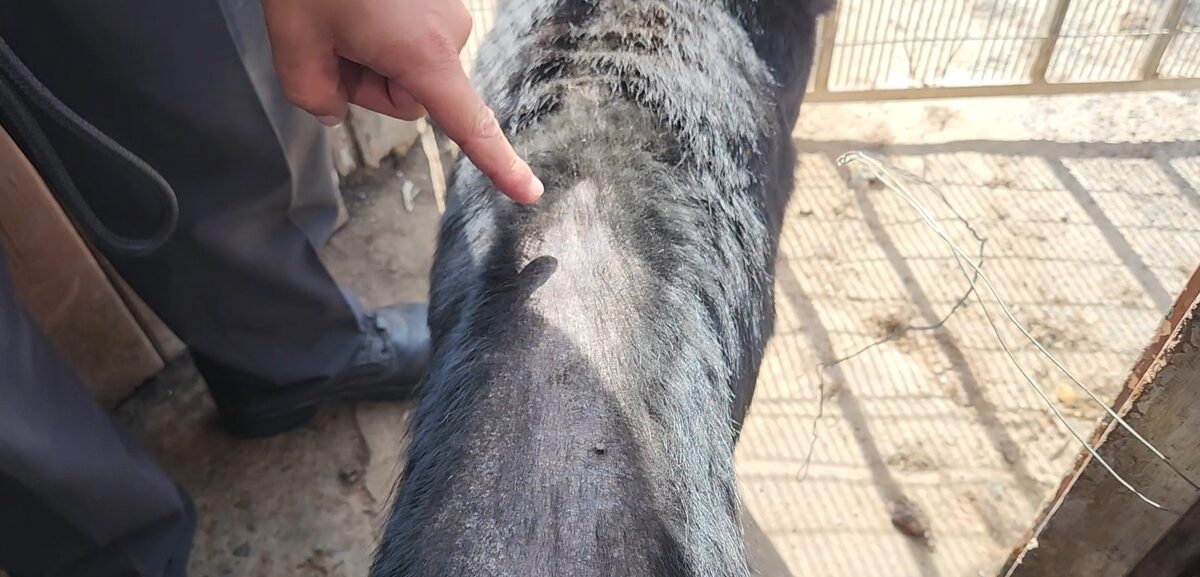
Sixteen animals, including 14 dogs, a pig and a bird, have been rescued from severe neglect in Philippi following weeks of non-compliance with warnings issued by the Cape of Good Hope SPCA in Grassy Park.
The intervention came after repeated inspections revealed shocking living conditions at the property, prompting the SPCA to secure a warrant to remove the animals earlier this month.
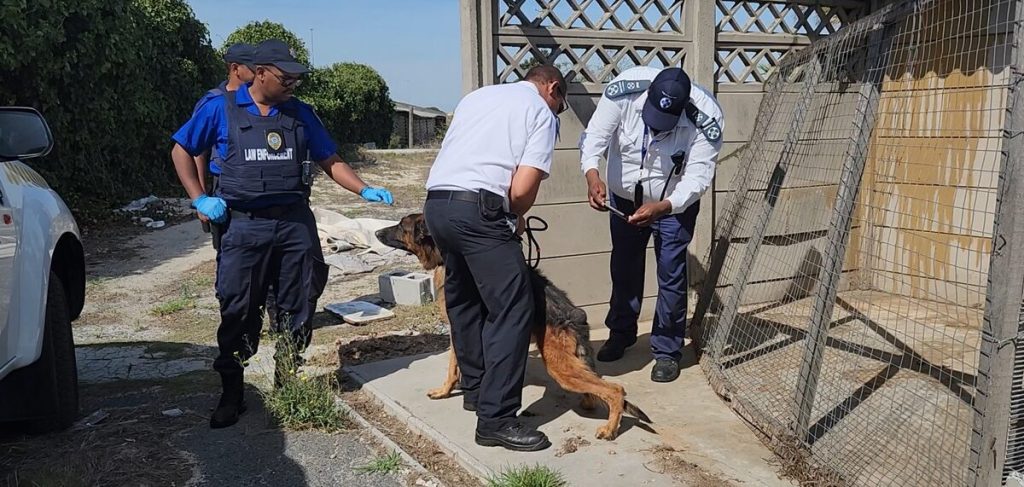
The operation, led by Inspector Jeffrey Mfini and supported by the City of Cape Town’s Law Enforcement Animal Control Unit, has resulted in criminal charges being laid against the owner under the Animals Protection Act.
Shocking conditions
The case began on Monday 9 March when Mfini responded to a complaint about the welfare of animals on the property. What he discovered raised immediate concern.
Dogs were found underweight and suffering from a range of untreated health issues, including skin conditions, parasite infestations and open wounds.
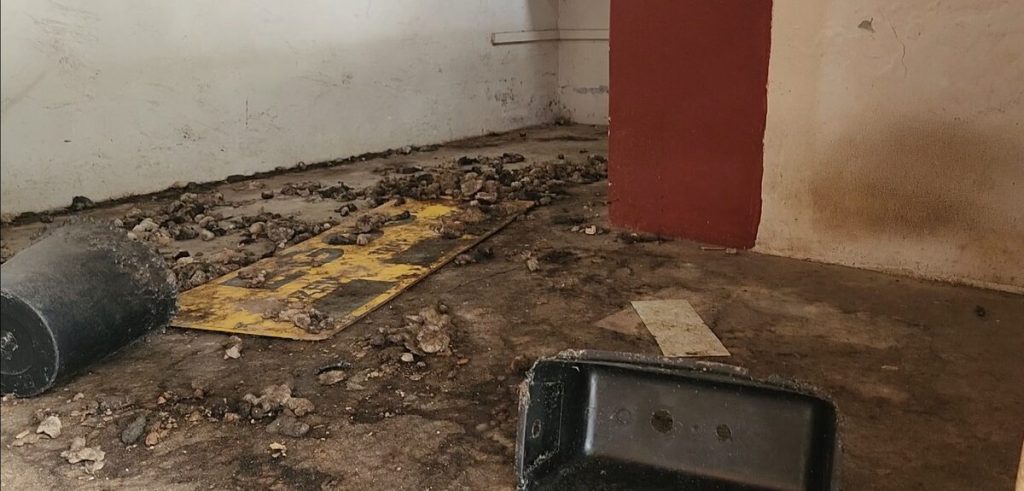
Many were confined to poorly ventilated spaces where floors were covered in faeces.
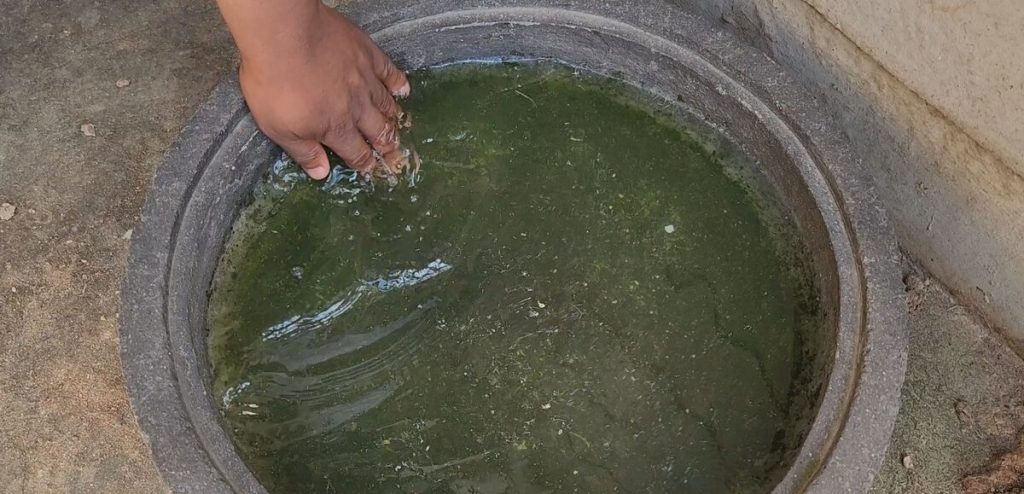
Access to clean water was inconsistent, with some containers either empty or filled with stagnant, algae-covered water.
A pig was also found without adequate food or water, living in similarly unhygienic conditions.
Following the initial inspection, the SPCA issued a formal warning instructing the owner to clean the living areas, provide sufficient food and fresh water, and seek veterinary care for sick and injured animals within 48 hours.
However, follow-up visits on Thursday 12 March and Wednesday 18 March showed no improvement. Despite additional warnings, the conditions remained unchanged.
By Thursday 9 April, Mfini returned with a warrant issued by the Magistrates’ Court to remove the animals.
The situation escalated upon arrival at the property. Security personnel initially refused the SPCA entry, acting on the owner’s instructions.
Rescue operation
Once access was gained, the owner attempted to prevent inspectors from entering certain rooms, claiming some of the animals were not hers and warning that the dogs were aggressive.
Mfini proceeded regardless.
Inside, the conditions were described as overwhelming.
In one room, two dogs were found living among piles of decaying faeces, with a stench so strong it lingered long after the visit. Several other rooms were in similar states, highlighting the extent of the neglect.
Among the most concerning cases was a German Shepherd named Buddy, who had a large growth on his lower back that affected his ability to use his hind legs. Despite earlier instructions from the SPCA, the dog had not received any veterinary care.
Inspectors also found a bird in a severely compromised condition.
The animal had no feet and was forced to walk on stumps, while its overgrown beak had curled inward, making it difficult to eat. In another room, a frightened dog was discovered cowering silently in a dark corner, surrounded by filth.
The owner claimed that some of the animals had been “rescued” and that others belonged to a dog trainer.
She also stated that the bird had already been injured when she found it.
Mfini rejected these explanations, stressing that taking in animals comes with a legal and moral responsibility to ensure their well-being.
“If you find an injured animal, the responsible action is to take it to a veterinarian,” he said. “You cannot claim to be helping while allowing it to suffer.”
He added that unregulated “rescue” efforts can often do more harm than good, particularly when individuals lack the resources or knowledge to provide proper care.
“The animals didn’t ask to be owned,” he said. “If you choose to take them in, you must meet their needs. Failing to do so causes unnecessary suffering.”
Legal action
The SPCA has warned that this case highlights the risks associated with informal or self-declared rescue operations that operate outside established animal welfare standards.
Unlike registered organisations, these operations are not subject to oversight or compliance requirements.
Following the seizure, Mfini opened a case at Philippi Police Station. He discovered that the individuals involved had attempted to lay a complaint against him, but this was not pursued.
The owner now faces charges under multiple sections of the Animals Protection Act. If convicted, she could face a fine of up to R40 000, imprisonment for up to 12 months, or both.
All 16 animals are currently receiving veterinary treatment and care at the SPCA, where their condition is being closely monitored.
Reflecting on the case, Mfini said it had taken an emotional toll, but he was relieved by the outcome.
“I was not happy since I started this case,” he said. “But after removing them from those conditions, I can sleep knowing they are now safe and receiving the care they deserve.”
The SPCA has reiterated its call for the public to report suspected animal cruelty and to ensure that any rescue efforts are carried out responsibly, with the necessary resources and commitment to animal welfare.
READ ALSO: New mobile vet clinic boosts animal care in under-resourced communities

You must be logged in to post a comment.