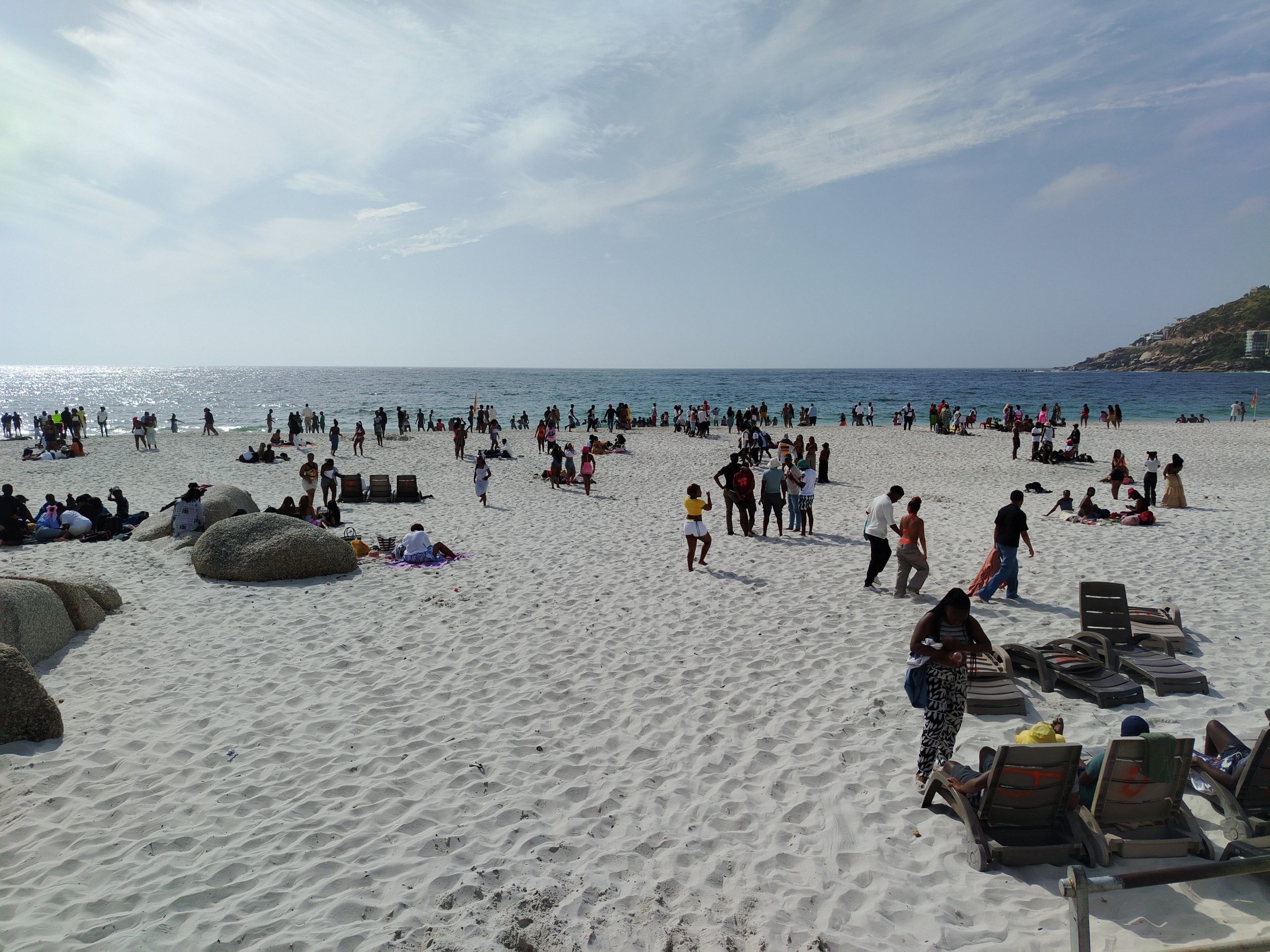
CAPE TOWN – Two of Cape Town’s best-known coastal destinations have claimed the top spots in a global beach ranking, placing the city firmly on the international tourism map.
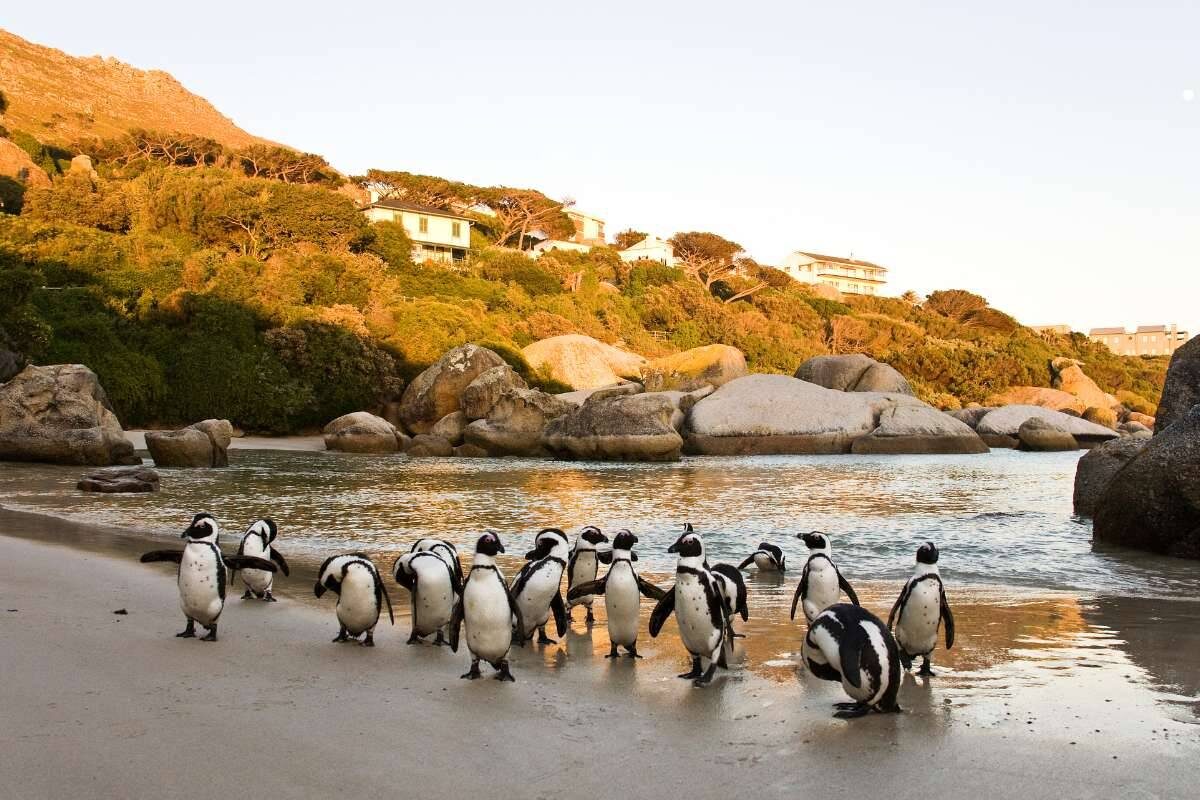
According to Forbes, long-haul travel specialist Travelbag has identified the world’s most popular, highest-rated and visually striking beaches, with Boulders Beach ranked first and Cape of Good Hope second.
The findings are based on a combination of user reviews, social media activity and online search trends.
SA Coastline appeal
Travelbag analysed several key metrics, including the number of Google reviews, average review ratings, monthly Google search volumes and Instagram hashtag activity. These were then scored and combined to determine an overall ranking.
Boulders Beach secured the first place with more than 27 700 Google reviews and an average monthly search volume of around 110 000.
The Cape of Good Hope followed in second place, recording 12 941 reviews and an even higher monthly search volume of approximately 135 000.
While the study focused on English-language search data – meaning some destinations in non-English-speaking countries may be underrepresented – the results highlight the global appeal of South Africa’s coastline.
World Class experiences
Travelbag’s South Africa destination expert, Susan Horton, said the country offers a diverse range of coastal experiences.
“South Africa has an incredible array of pristine beaches. From the dramatic, penguin-filled shores of Boulders Beach to the surf-friendly waves of Jeffreys Bay, South Africa offers world-class coastal experiences for every type of traveller,” she said.
She added that the best time to visit the country’s southern coastline is during the summer months between December and March, when conditions are ideal for swimming, surfing and other beach activities.
Boulders Beach is widely recognised for its resident colony of endangered African Penguin, offering visitors a rare opportunity to view the birds up close from elevated wooden boardwalks.
The sheltered coves, framed by large granite boulders, provide calmer waters compared to many of Cape Town’s more exposed beaches.
Historical significance
Located in Simon’s Town, along the False Bay coast, the beach lies about 40km from central Cape Town and remains a popular destination for both tourists and locals.
In contrast, the Cape of Good Hope offers a more rugged and dramatic coastal environment. Situated within Table Mountain National Park, the area is known for its powerful waves, steep cliffs and sweeping ocean views.
The site also carries historical significance. In 1488, Portuguese explorer Bartolomeu Dias became the first European to round the southern tip of Africa at the Cape, opening up a sea route between the Atlantic and Indian Oceans.
The route would later become a vital – and often dangerous – passage for global trade.
Travelbag’s research forms part of a broader analysis of more than 100 000 beaches worldwide, drawing on thousands of data points across more than 30 leading beach destinations.
Other beaches featured in the global top 10 include locations in the United States, Bermuda, Thailand, Indonesia and Mexico, underscoring the competitive nature of the ranking.
For Cape Town, however, claiming both the top and second positions reflects the city’s unique coastal diversity – from calm, wildlife-rich beaches to untamed, windswept shorelines.
As international travel continues to recover and grow, the recognition is expected to further boost interest in the region, while reinforcing the importance of preserving its natural assets.
ALSO READ: Muizenberg community invited to meeting on major beachfront upgrades.