The Western Cape Government has launched its Easter road safety plan, focusing on stricter enforcement, advanced monitoring and zero tolerance for drinking and driving.
Western Cape Minister of Mobility Isaac Sileku said the plan aims to ensure road users travel safely during the busy period.
“Easter is a time for joy and making memories, and that starts with getting there safely. Our mission is simple: every resident and visitor must reach their destination safely,” said Sileku. He added that the province aims to halve road deaths and injuries, but public cooperation remains essential.
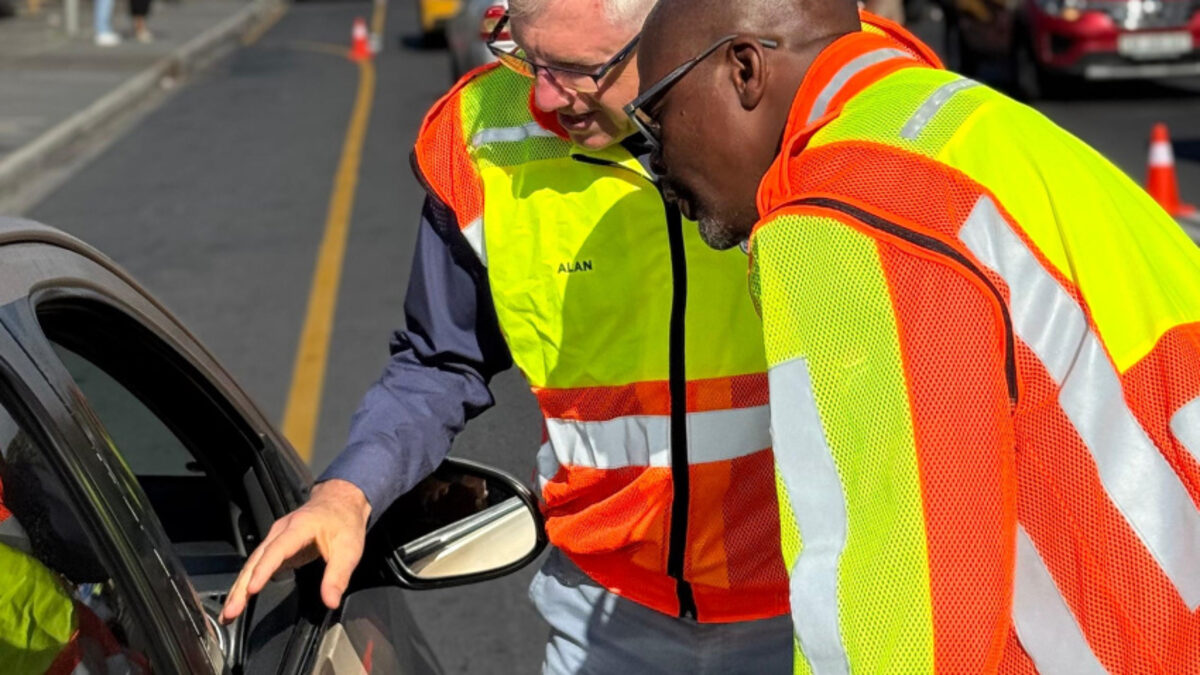
Western Cape Premier Alan Winde urged road users to act responsibly.
“Road users must respect the rules of the road, not only over the long Easter weekend, but throughout the year,” he said.
Road deaths remain a concern
Between 1 January and 15 March this year, 238 people died on Western Cape roads. Of these, 134 were pedestrians, 40 passengers and 39 drivers.
This reflects a 1,25% decrease compared to the same period last year, but officials say the figures remain concerning.
Sileku said pedestrian safety remains a major concern.
“Every life lost is a tragedy that could often be prevented,” he said, urging motorists and pedestrians to stay alert and avoid alcohol.
READ ALSO: No taxi accidents on the road this past festive season
Increased enforcement on roads
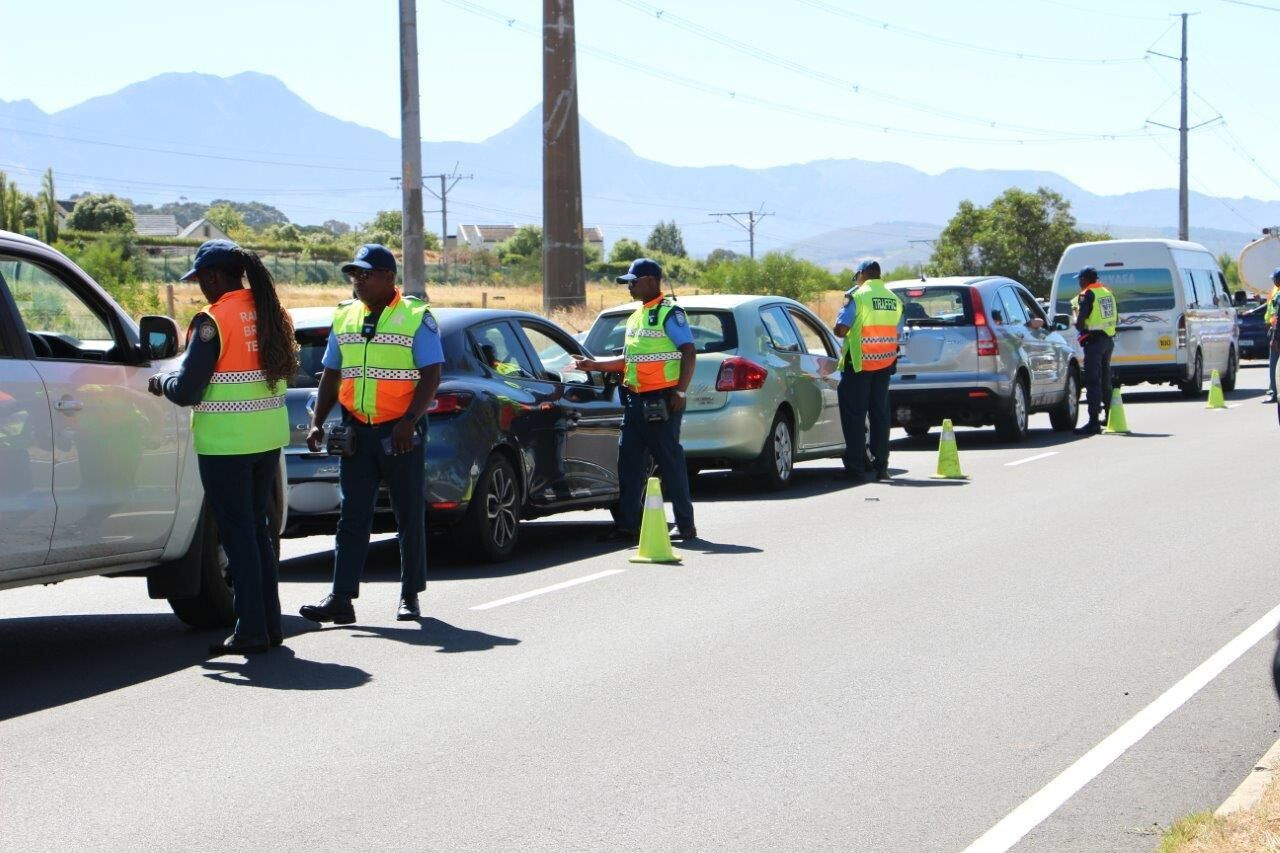
Provincial Traffic Services will operate 24/7 during the Easter period in partnership with the South African Police Service, Emergency Medical Services and municipal traffic authorities.
Authorities will deploy hundreds of officers along key routes to deter reckless behaviour and respond quickly to incidents.
Officers will conduct vehicle fitness checks, roadside operations and targeted patrols. Authorities will also monitor alcohol offences through Evidentiary Breath Alcohol Testing centres in Athlone, George, Vredenburg, Worcester and Caledon, supported by mobile units.
Technology boosts monitoring
Authorities will use drones, handheld systems and licence-plate recognition cameras linked to the electronic national administration traffic-information system (NaTIS) to detect offences in real time.
Officials will closely monitor high-risk routes, including the N1 “Death Stretch” and N2, to reduce fatigue-related crashes.
Teams will also inspect public transport for compliance, including driver permits and overloading.
“Our enforcement strategy is fully in place,” said Maxine Bezuidenhout, Chief Director of Traffic Management. “We urge the public to play their part by driving and walking responsibly.”