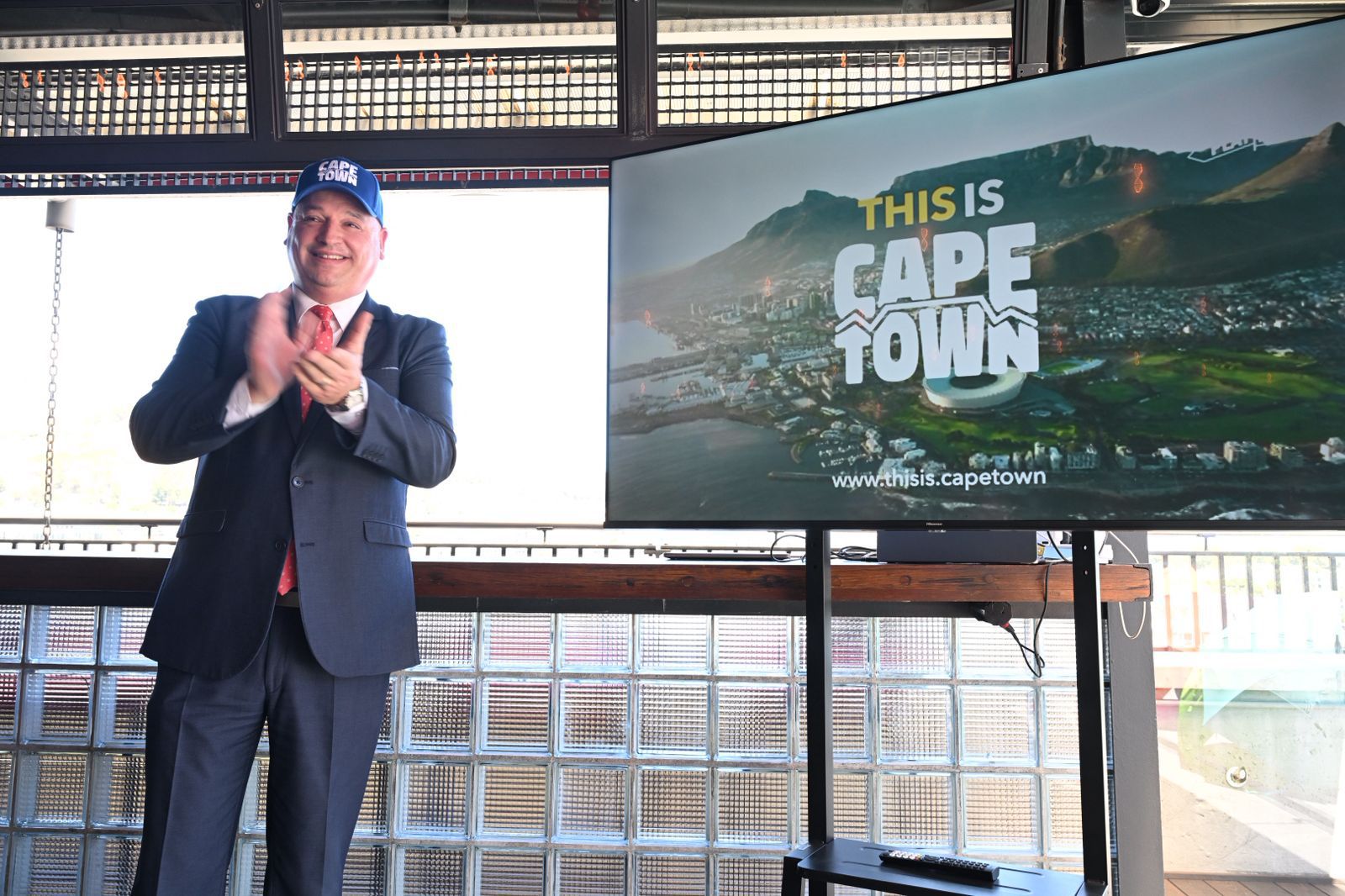
The City of Cape Town is preparing a new tourism framework to grow visitor spending and create jobs. This comes after recording one of its strongest tourism years, according to James Vos, Mayco member for Economic Growth.
Vos said the strategy would guide the next phase of growth in the visitor economy as global competition between destinations intensifies. Last year, Cape Town welcomed more than 2,4 million overnight visitors.
Visitors boost economy and jobs
Those visitors contributed around R24,5 billion to the local economy and supported more than 106 000 jobs. This represents nearly 7% of total employment in the city.
Cape Town International Airport also processed more than 11,2 million passengers during the same period. This reflects strong domestic and international travel demand.
Next phase of tourism strategy
Vos said the city is now focusing on what the next phase of tourism growth should look like.
“Tourism does not stand still, and neither can we if we want this sector to keep delivering jobs, opportunity and growth across our city,” he said.
The upcoming Tourism Framework for Cape Town will aim to increase visitor numbers, encourage longer stays, and drive higher spending. The strategy will ensure benefits reach businesses and workers across the sector. This includes hospitality, retail, guiding, transport, and the creative industries.
Global marketing campaigns
One of the City’s initiatives includes the “This Is Cape Town” place marketing campaign. It has been rolled out across six continents and 55 cities.
The campaign features advertising in international markets such as India, China, the United States, and the United Kingdom. Promotional efforts have included branded taxis in New York and black cab advertising in London. Both use QR codes linking travellers to Cape Town’s digital tourism platforms.
A targeted digital campaign in India has already generated more than 330 million impressions. Meanwhile, marketing is also underway on China’s WeChat platform.
Expanding international air connectivity
Vos said strengthening international air connectivity remains key to the City’s tourism strategy. Currently, Cape Town is connected to 32 global destinations, with up to 230 international flights landing each week during peak travel periods.
This marks significant growth compared with a decade ago. At that time, the city had direct flights to 16 international destinations, with about 120 weekly flights.
The expansion is the result of collaboration through the Air Access initiative, which works with airlines to establish new routes. Each additional flight strengthens tourism, trade, and investment opportunities.
Targeting new and existing markets
Looking ahead, the City aims to expand tourism flows from Africa, India, and China. At the same time, it will maintain strong visitor numbers from traditional markets such as the United Kingdom, Europe, the Middle East, and North America.
A recently introduced direct flight between Brazil and Cape Town is expected to support growth from South America.
Sustainable and competitive tourism
The new tourism framework will outline how Cape Town plans to grow the visitor economy while keeping the sector sustainable and competitive. Further details will be shared at the upcoming World Travel Market Africa, held at the Cape Town International Convention Centre in April.
“Tourism supports livelihoods across our city, and when managed well, it becomes one of the most powerful engines of economic opportunity we have,” said Vos.