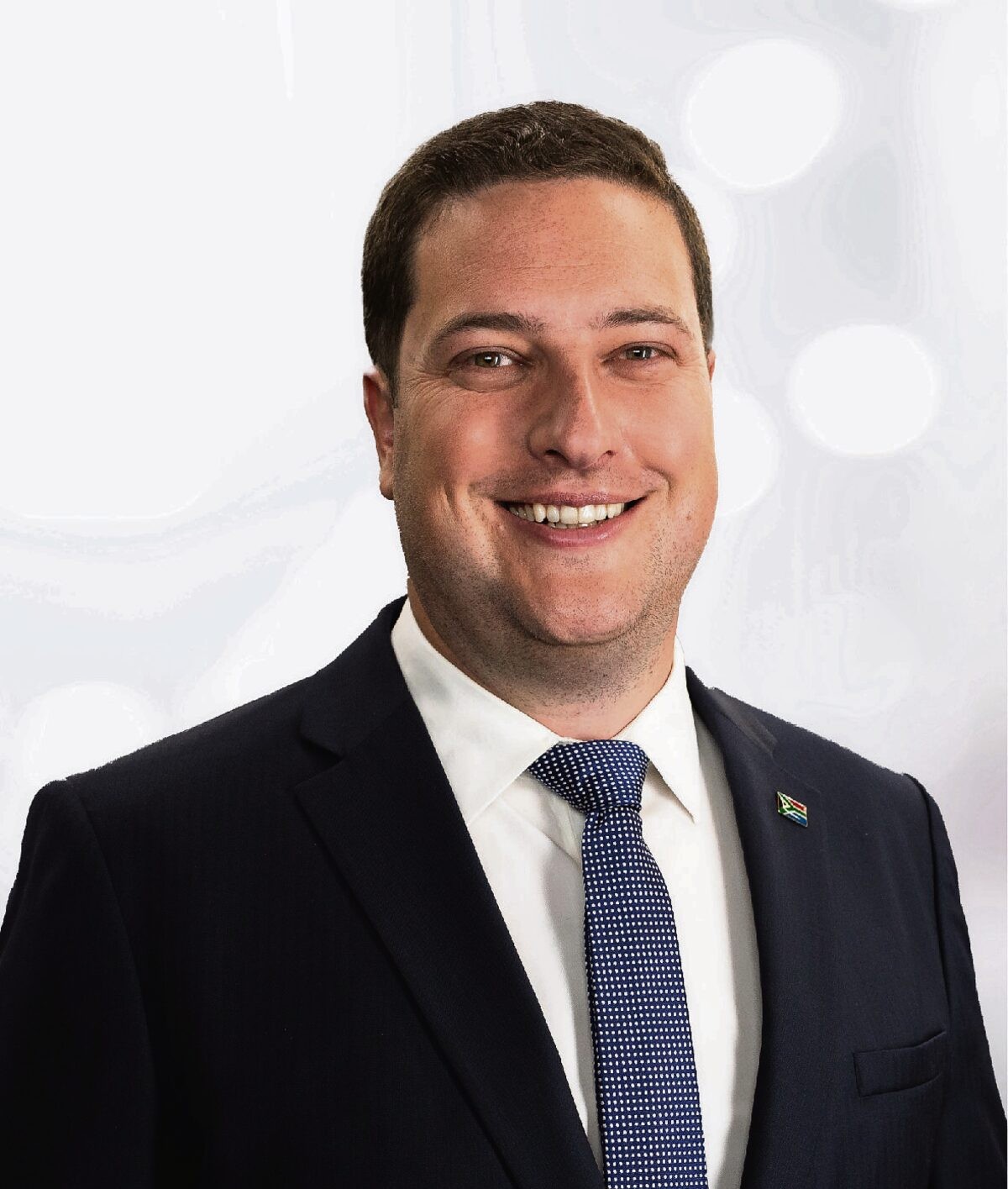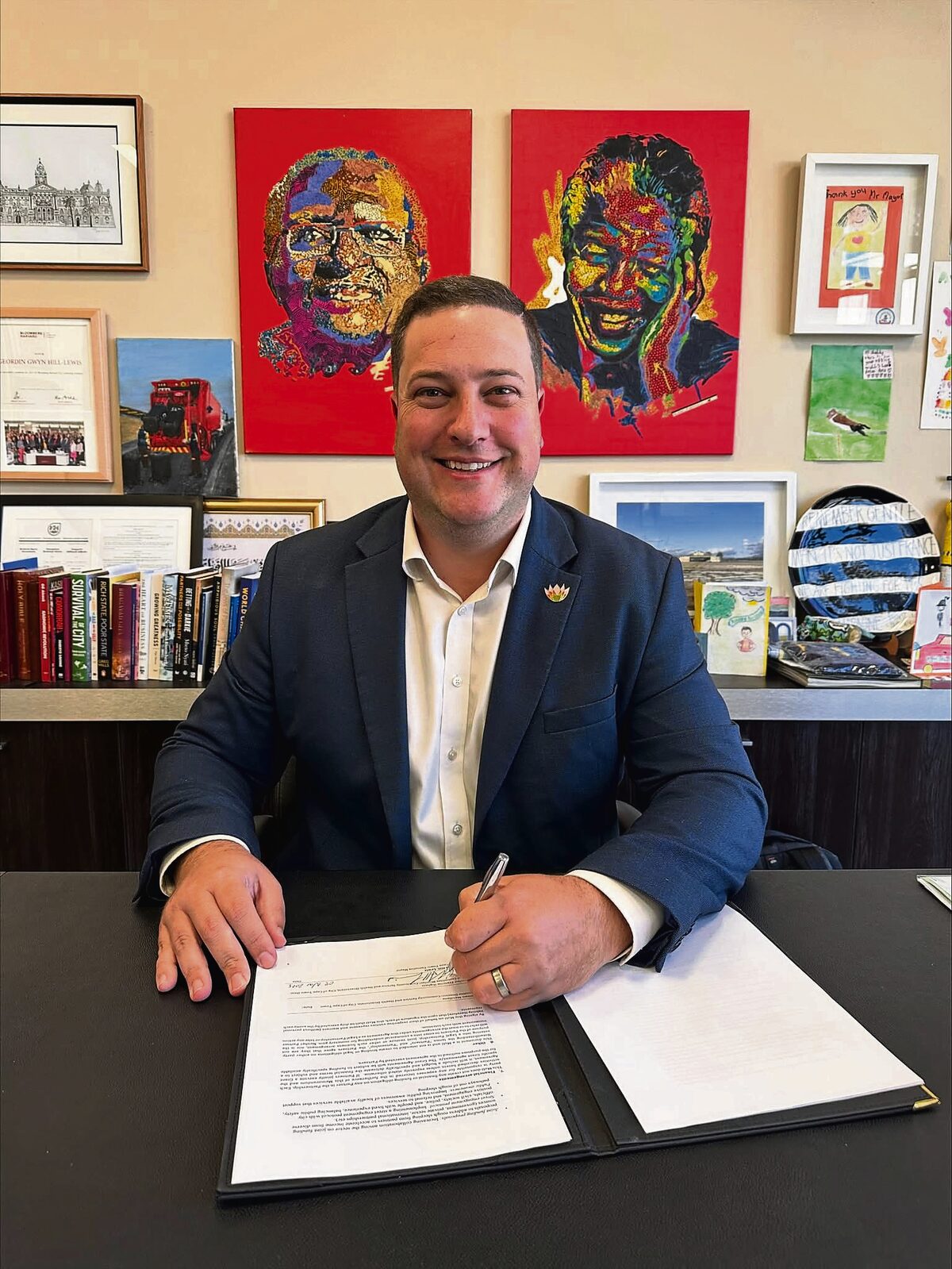
CAPE TOWN – Cape Town Mayor Geordin Hill-Lewis has delivered a comprehensive end of year note celebrating the city’s record R9.7 billion infrastructure investment in 2025, while acknowledging the ongoing challenges of building what he calls a “city of hope for all.”
In his fourth annual mayoral minute – a century-old tradition he revived after taking office – Hill-Lewis detailed significant achievements across multiple sectors, from employment growth to housing policy reforms and major infrastructure milestones.
The mayor described 2025 as “the most demanding year of this term, the most complex, and in many ways the most rewarding,” emphasising how long-term investments have finally become visible in communities across the metropolitan area.
Cape Town’s infrastructure investment reached near the R10 billion milestone the city aimed for, with Hill-Lewis revealing that over the current term, Cape Town has outspent Johannesburg and Tshwane combined – R25 billion versus R22 billion.
“We remain on track to outspend all three Gauteng metros by the end of this financial year,” Hill-Lewis stated in his end of year note.
The mayor stated that this investment represents more than bragging rights, calling it recognition of “what it actually takes to build a city that works.”
Key infrastructure indicators are moving in positive directions, with improvements recorded in sewer overflow incidents, pipe burst frequency, and both fresh water and wastewater treatment capacity.
Employment reaches record highs
Cape Town maintained its position as South Africa’s employment capital, with unemployment remaining the lowest in the country. Employment reached record levels of approximately 1.8 million people, with over 400 000 jobs added since the start of the current term.
“Those are not abstract numbers,” Hill-Lewis noted. “They represent households with income, children with food on the table, and futures that feel a little more secure.”
The mayor attributed the employment success to the city’s relative effectiveness compared to other South African municipalities, noting that fellow citizens are “semigrating” to Cape Town in record numbers.
The MyCiTi bus expansion to Mitchells Plain and Khayelitsha – described as South Africa’s biggest current public transport project – advanced significantly during 2025.
Hill-Lewis acknowledged the complexity of managing a construction site spanning more than 40 kilometers through challenging communities, while dealing with construction disruptions, traffic delays, and various social challenges.
The expansion will bring what is widely regarded as the country’s best bus service to hundreds of thousands more residents, effectively connecting people to jobs, education and opportunities while unlocking economic potential along the entire route.
Housing policy breakthrough
The mayor highlighted new planning legislation passed in Cape Town to enable micro-developers to build affordable accommodation faster, calling it “the only workable plan to reduce informal settlements in South Africa.”
Cape Town released more land for affordable housing in the past three years than in the previous decade, reaching 12 000 affordable housing units at various stages in the land release pipeline.
However, Hill-Lewis acknowledged that housing demand continues to outstrip supply, both public and private, contributing to rising housing prices driven largely by internal migration to the city.
ALSO READ: Cape Town outstrips other SA metros in house handovers
Addressing safety concerns – identified as the number one worry for most Cape Town families – the city deployed 800 new Metro Police officers to the streets in 2025, representing the largest single-year deployment since the Metro Police’s founding.
The mayor continued advocating for investigative powers needed to make meaningful progress in gang, gun and drug crime convictions, describing this as the real system fix required.
Energy and environmental progress
Cape Town switched on its first landfill gas-to-power plant, becoming the first South African municipality to achieve this milestone. The plant now supplies power to approximately 4,000 households, with expansion planned.
The city continued pioneering energy trading, approaching one million kilowatt-hours wheeled between traders, while a R4 billion investment in grid upgrades over three years lays groundwork for a decentralized energy future.
Multi-billion-rand upgrades at wastewater treatment works in Potsdam, Macassar and Bellville progressed well, with the Zandvlei upgrade completed, improving services for the entire Khayelitsha area.
The city’s bulk sewer upgrades – including the largest ever undertaken on the Cape Flats – and a quadrupled pipe replacement program continued breaking records while preventing failures.
Hill-Lewis defended the city’s Safe Space shelters, which were repeatedly endorsed by courts during 2025, describing them as essential for both helping people off the streets and restoring public spaces for all residents.
The mayor also detailed the appointment of Jason McNeil from the private waste management sector to lead Urban Waste Management, expressing confidence that his strategic approach will address cleanliness challenges in informal settlements.
Looking toward the future
With local government elections potentially occurring in late 2026 or early 2027, Hill-Lewis acknowledged this may be his last mayoral minute of the current term, though he expressed hope it won’t be his last ever.
“Building a city of hope is not quick work,” the mayor concluded. “But in 2025, we moved it forward in ways that will shape Cape Town for decades to come.”
The mayor will award Freedom of the City to beloved Cape Town cultural figures David Kramer and the late Taliep Petersen in January, honoring their contributions to the city’s cultural heritage.
Hill-Lewis ended his end of year note by wishing residents a safe festive season and thanking them for “walking this road with us – sometimes patiently, sometimes critically, always passionately.”