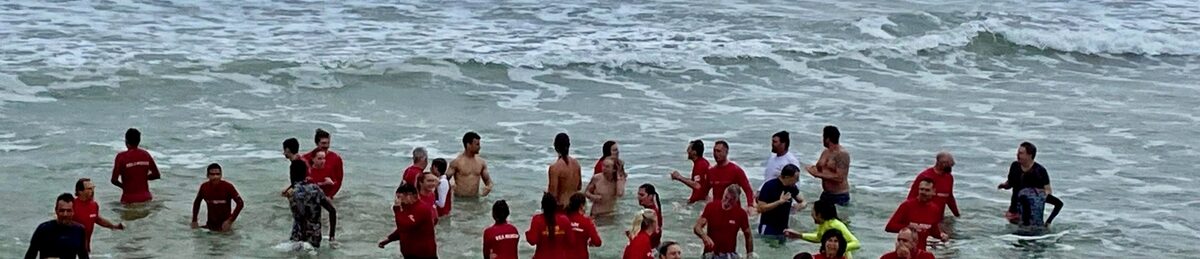
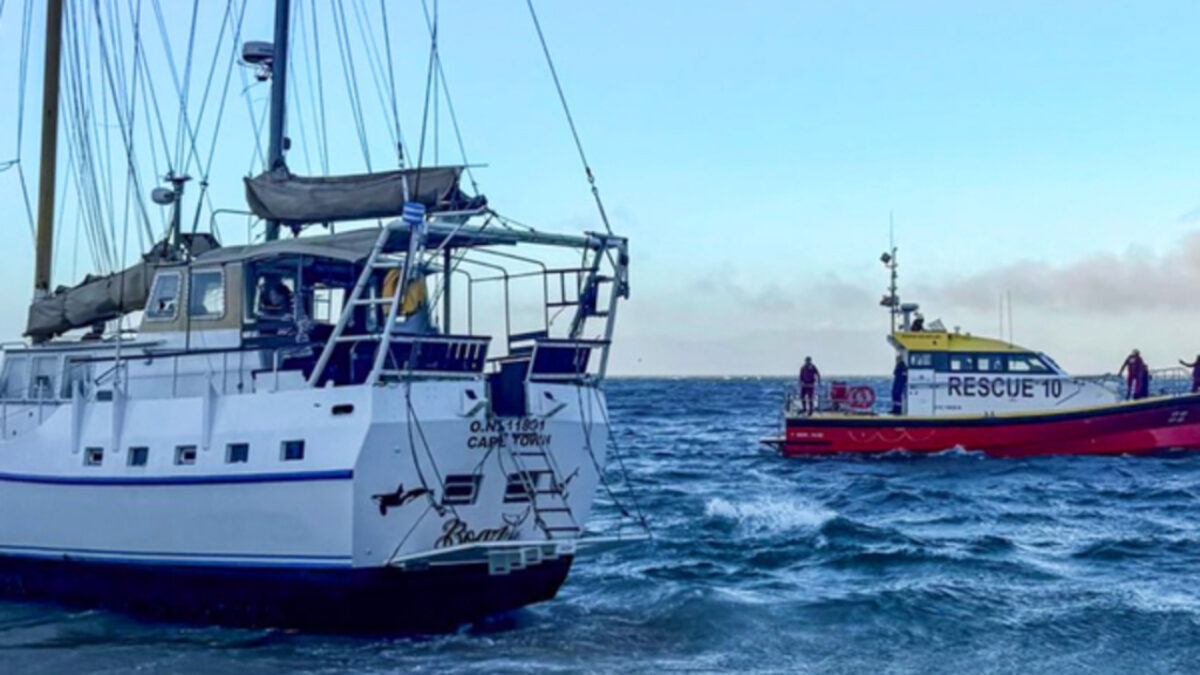
The National Sea Rescue Institute (NSRI) is urging the public to take extra care along South Africa’s coastline as the full moon spring tide peaks today.
Andrew Ingram, NSRI communications manager said, this alignment of the sun, moon, and earth intensifies gravitational forces on the oceans, resulting in more extreme tidal conditions that will continue to affect coastal areas over the coming weekend.
What to Expect During the Spring Tide
Spring tides are a natural occurrence during the full moon phase. However, their effects can be dramatic:
Higher High Tides
Expect water levels to push further up beaches and rocky shorelines, often reaching areas normally considered safe.
Lower Low Tides
Large sections of seabed will be exposed as water levels dip well below average.
Increased Tidal Range
The difference between high and low tide will be at its most extreme, influencing currents and coastal conditions.
Impacts and Hazards
The NSRI warns that spring tides can lead to stronger tidal currents, particularly in narrow or confined waterways. Key hazards include:
- Rip Currents: Fast-moving, powerful rip currents are more likely to form and intensify, posing serious risks to swimmers.
- Coastal Hiking Hazards: Trails that run close to the water may be cut off or become dangerous to access during high tide.
- Fishing Risks: Shoreline anglers may encounter waves reaching much farther than usual. Sudden surges can sweep people off rocks or beaches.
Safety Measures
The NSRI encourages everyone planning coastal activities to follow these essential precautions:
Beach and Swimming Safety
- Choose lifeguard-patrolled beaches: Swim only where lifeguards are on duty and stay between the flags.
- Understand rip currents: They are strongest during spring tides, especially during outgoing tides.
- Stay updated: Check weather forecasts from the South African Weather Service (SAWS) and consult local tide tables daily.
Coastal Activities
- Hiking: Plan ahead and avoid routes that could be submerged or cut off at high tide.
- Fishing: Keep a safe distance from water’s edge. When rock fishing, wear a life jacket and bring buoyant rescue gear (such as a 5L container tied to a rope) that can be thrown to someone in distress.
- Boating and Paddling: Always wear a life jacket, carry the required safety equipment, and keep your phone fully charged in a waterproof pouch. The free NSRI SafeTrx app allows you to log your trip and quickly request assistance if needed.
General Water Safety
- Avoid alcohol: Drinking near or in water significantly increases your risk of drowning.
- Supervise children: Keep them within arm’s reach at all times near water.
- Inland water caution: Rivers, lakes, and dams can be equally dangerous, especially after heavy rainfall.
- Monitor weather conditions: Watch for strong winds, rapidly rising water, and fast-flowing rivers.
For more information, alerts, and safety resources, visit the NSRI website.