


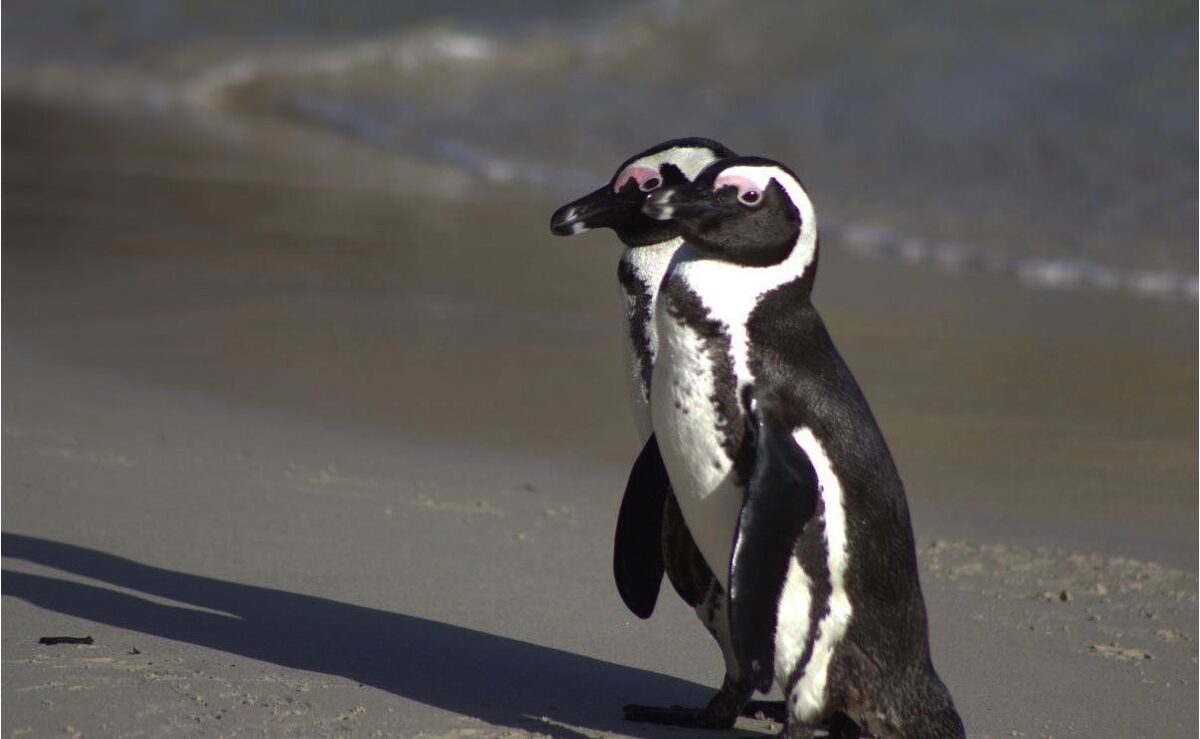
In the aftermath of severe winter storms battering the Western Cape coastline, the Southern African Foundation for the Conservation of Coastal Birds’ (Sanccob) dedicated seabird rangers have once again stepped up to rescue vulnerable seabird chicks from flooded nests and harsh weather conditions.
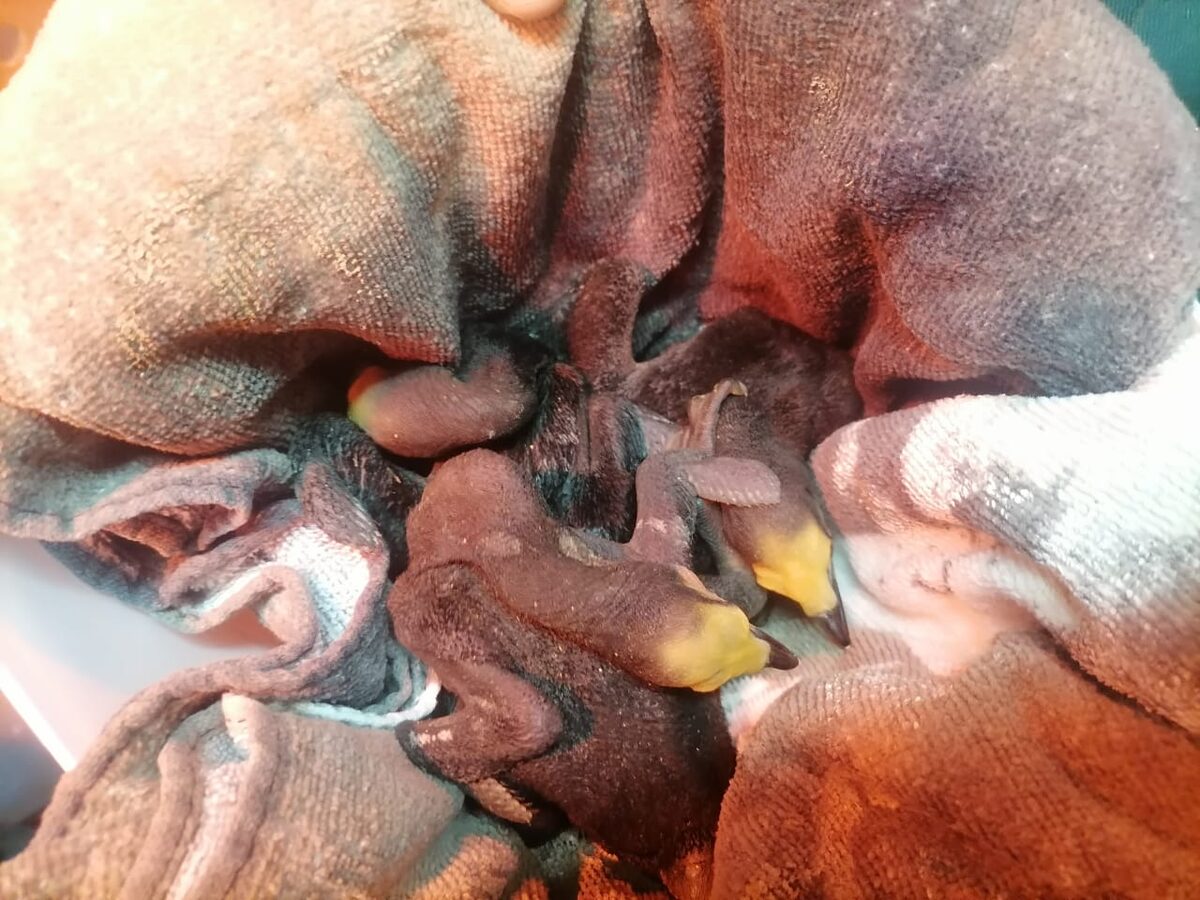
More than 30 storm–battered seabird chicks — among them critically endangered African Penguins and endangered Bank Cormorants — are now safe and recovering in the nursery at Sanccob Table View after an intense month of winter weather.
“Our rangers know every corner of their colonies,” says Romy Klusener, Conservation Impact Manager at Sanccob Table View. “They dig drainage lines, pile brush around nest sites, and monitor incoming storms so we avoid disturbing nests unless it’s absolutely necessary. But the recent swells were so severe that intervention became the only option.”

How the crisis unfolded
Between 21 May and 26 June, back–to–back cold fronts lashed the colonies at Stony Point and Simon’s Town. Waves surged over shoreline ledges, sweeping three species of cormorant chicks — Crowned, White–breasted and Bank — clean from their nests. At the same time, torrential rain flooded dozens of African Penguin burrows, leaving chicks soaked, chilled and at risk of drowning.
Rangers raced in, first stabilising the most fragile birds on site under heat lamps before transferring those in poor body condition to Sanccob’s clinic. Two penguin chicks perked up quickly enough to be returned to their nests when the weather calmed and their parents came back. The rest were deemed too compromised to stay in the colony.
A tally of tiny survivors
In Stony Point
- Four Bank Cormorant chicks (endangered);
- Three White–breasted Cormorant chicks;
- Three Crowned Cormorant chicks;
- Nine African Penguin chicks (critically endangered);
- Two additional African Penguin chicks rescued and successfully reunited with parents.
Simon’s Town
- 11 African Penguin chicks;
- 10 African Penguin eggs (now under careful surveillance).

Inside Sanccob’s upgraded nursery, the chicks receive four feeds a day of specially formulated fish smoothies and whole fish. Each bird is weighed daily, and veterinary staff run health checks to catch any signs of infection or dehydration early.
“The goal is always to release them back to the wild once they hit the right weight, waterproofing and fitness,” Klusener explains. “Every chick we raise and release gives the wild population a desperately needed boost.”
As the rescued chicks gain strength day by day, the hope is clear: once their downy coats are replaced by waterproof feathers, these tiny survivors will return to their rocky colonies — proof that timely action, expert care, and community support can turn the tide for South Africa’s imperiled seabirds.
Visit www.sanccob.co.za to make a donation or learn more about supporting Sanccob’s life–saving work.



You must be logged in to post a comment.