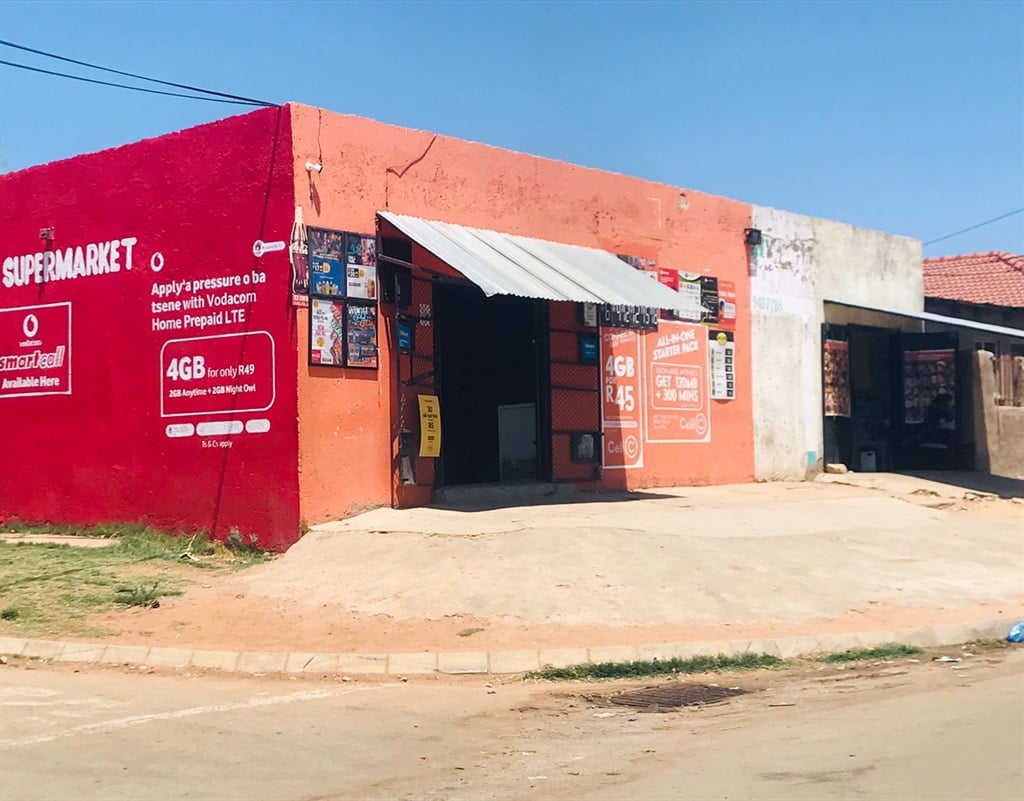
Spaza shops have long been a vital part of communities, providing affordable and convenient access to everyday goods. But recent reports from consumers reveal a troubling trend: many spaza shops are allegedly charging excessive card-payment surcharges, in some cases as high as R5 per item, a practice that is unlawful under South Africa’s Consumer Protection Act (CPA).
At the heart of this issue is Section 23 of the Act, which clearly states all prices must be displayed and honoured at checkout. Importantly, it prohibits suppliers and merchants from charging any additional surcharges at the point of sale.
Liaquat (Lee) Soobrathi, ombudsman for Consumer Goods and Services, emphasises: “As a supplier or merchant one is not allowed to charge a surcharge. This is not allowed in South Africa.”
He urged consumers to report such violations, adding “the more complaints we receive the easier it is to identify a pattern. Once trends emerge we investigate the practices behind them.”
For many South Africans spaza shops are more than just shops; they are often family-run and deeply embedded in the local economy. Yet the introduction of these unlawful fees has left many feeling exploited.
A resident of Samora Machel voiced a common frustration: “It’s not about the R5. It’s the principle. We’re already struggling to put food on the table, and now we’re being penalised just for using a card.”
To understand how spaza shops are regulated, People’s Post contacted the City of Cape Town’s Media Office. Since November last year, the City has issued Certificates of Acceptability under health legislation to 1 269 spaza-shop premises. Applicants must register via the City’s e-Services platform, with no fees involved, and certificates do not require renewal.
Francine Higham, Mayco member for community services and health, explained: “The City of Cape Town is committed to ensuring public-health compliance, especially where food retail is concerned.
“These certificates help ensure businesses, including informal spaza shops, meet minimum health standards. Residents who have concerns are encouraged to report them to their local Environmental Health Office.”
However, when it comes to enforcing compliance on payment methods and pricing transparency the City clarifies that this responsibility does not fall within its mandate. This leaves a regulatory gap that really frustrates many consumers.
Soobrathi highlighted the importance of public participation. “Consumers need to be aware of their rights and exercise them. Reporting unlawful surcharges is key; that’s how we create accountability and protect vulnerable consumers.”
People who have been charged an unlawful card payment surcharge ,or suspect unfair practices in any spaza shop, are urged to complain to the National Consumer Commission or the Consumer Goods and Services Ombud via www.cgso.org.za.
Community members across Cape Town have taken to social media and consumer platforms alleging they are being charged as much as R5 per item when paying with a debit or credit card. These fees, they say, are often not disclosed beforehand and add up quickly for households already grappling with rising food prices and high unemployment.
According to Soobrathi, these charges violate the CPA, and specifically Section 23, which governs product pricing and transparency.
“Suppliers are required to display the price of goods clearly and charge the consumer that price. Merchants are not allowed to impose surcharges on card payments. It’s simply not permitted under South African law.”
He urged consumers to report such practices to the National Consumer Commission (NCC).
“Every complaint counts. The more people speak up the better the commission can identify national trends and take action against exploitative retailers.”
The NCC can be reached on 012 428 7000. Complaints should include the shop’s name, location, the amount charged and any proof of payment, if possible.