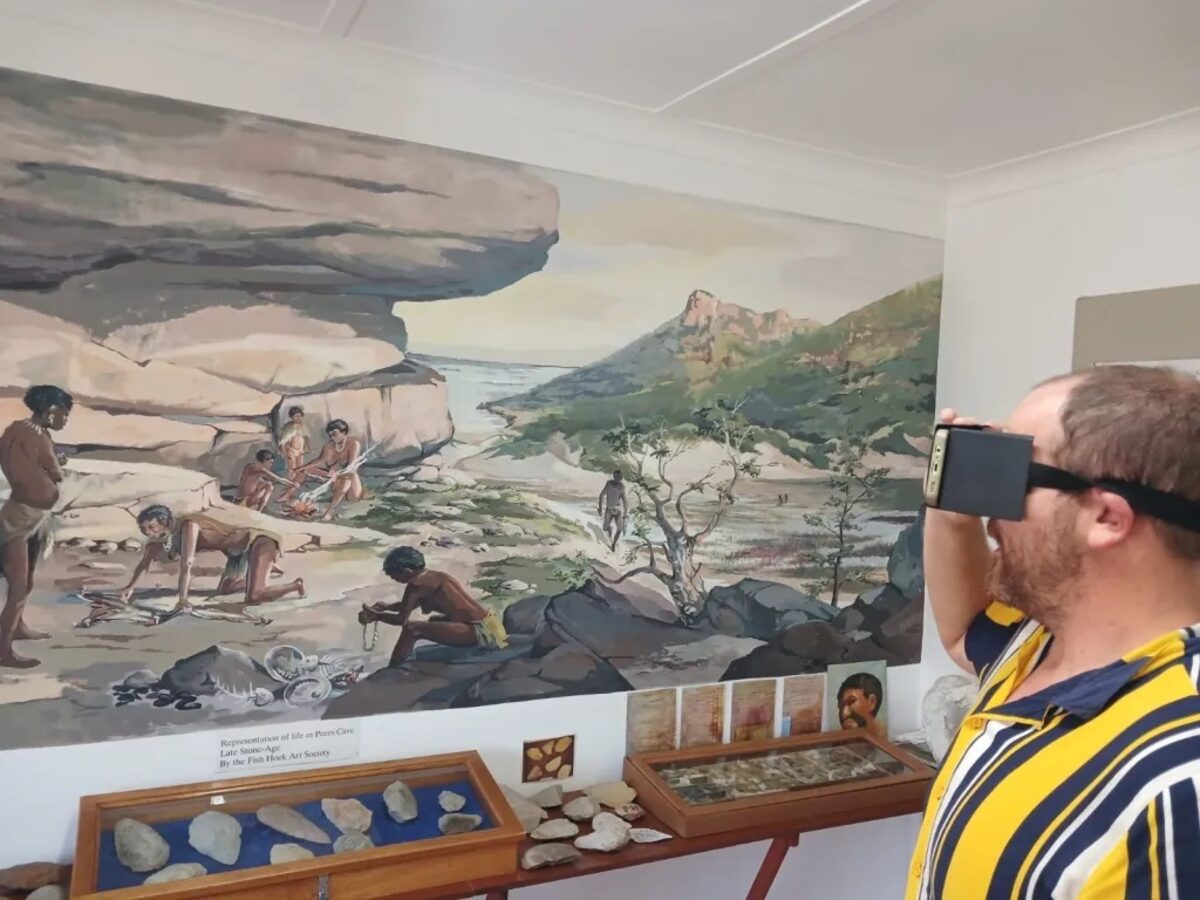
The Fish Hoek Valley Museum is strengthening partnerships with local schools as part of its efforts to preserve the valley’s history and inspire greater community engagement through education and heritage preservation.
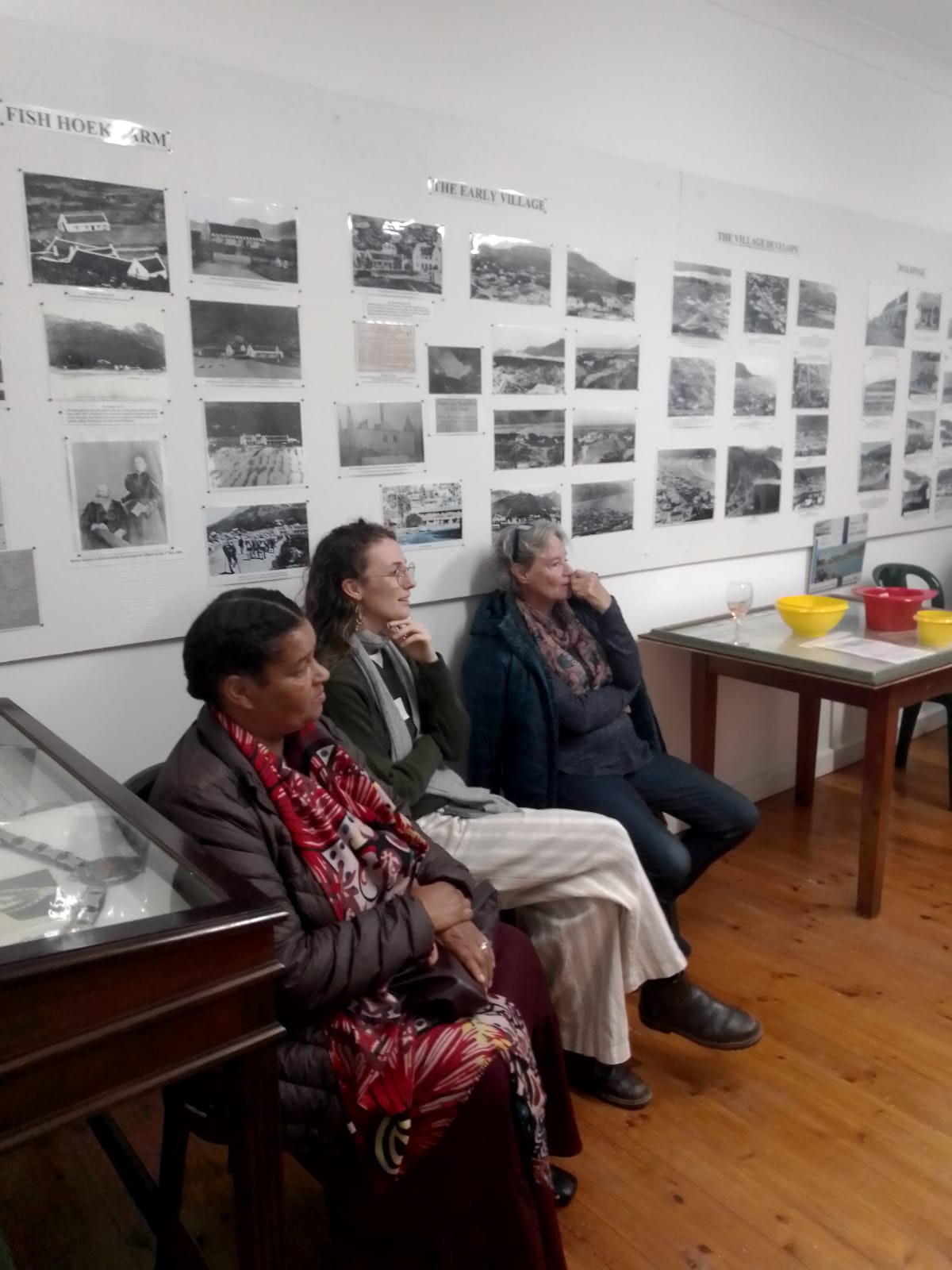
The initiative formed part of the museum’s International Museum Day celebrations held on Monday 18 May, where teachers and school representatives from across the valley gathered at the museum for an evening of discussion, collaboration and reflection.
Museum curator Sue Maude said the event aimed to highlight the important role museums play as spaces of learning, dialogue and connection within communities.
Heritage partnerships
This year’s International Council of Museums (Icom) theme, “Museums Uniting a Divided World”, focused on how museums can bridge cultures and generations through shared understanding and storytelling.
Representatives from Paul Greyling Primary School, Fish Hoek High School, Jupiter Primary School in Ocean View and Kommetjie Primary School attended the event. For many of the educators, it was their first visit to the museum.
Museum volunteers guided teachers through the space and introduced them to the institution’s archives, which include collections of old newspapers, directories and reference books available to researchers, learners and educators.
Discussions during the evening explored how schools and the museum could work together more effectively to preserve local history and bring heritage education into classrooms.
One of the key topics focused on involving learners in collecting oral histories and community stories for the museum archives.
Shared stories
Maude said this could help create an ongoing record of the valley’s social history while also encouraging learners to engage critically with the past and present.
The museum also highlighted the value of oral history projects in schools and discussed practical ways educators could incorporate these activities into lessons and curriculum planning.
Teachers and volunteers shared ideas on how to keep learners engaged and interested in local history through interactive learning methods.
According to Maude, the museum hopes to become a more widely used community resource for schools and organisations across the valley.
The museum is available for private tours and educational visits, although space limitations remain a challenge for larger groups.
To address this, organisers discussed possible alternatives such as splitting larger school groups into smaller tours and combining museum visits with nearby public spaces such as the library and fire station in Central Circle.
Maude said the event marked the beginning of what she hopes will become closer partnerships between the museum and schools throughout the valley.
Community learning
“Museums are more than just places of preservation,” she said.
“They can be dynamic community hubs that safeguard heritage, support inclusive education and create spaces for diverse stories to be shared and understood.”
The evening also celebrated ICOM’s 80th anniversary, recognising decades of support for museums as important social and educational institutions worldwide.
The Fish Hoek Valley Museum encouraged schools, educators and community organisations to approach the museum with ideas for collaborative projects, tours and heritage initiatives aimed at preserving the valley’s stories for future generations.
For more information contact Sue Maude at curator.fishhoekvalleymuseum@gmail.com.
ALSO READ: Blisters for Bread Walk helps feed vulnerable learners