The sight of school children crossing swollen and dangerous rivers because of a lack of bridges in the country’s rural areas will soon be a thing of the past.
This comes after Public Works and Infrastructure minister, Sihle Zikalala, announced a R3.3 billion budget to construct 134 Welisizwe bridges in six provinces over the next three years.
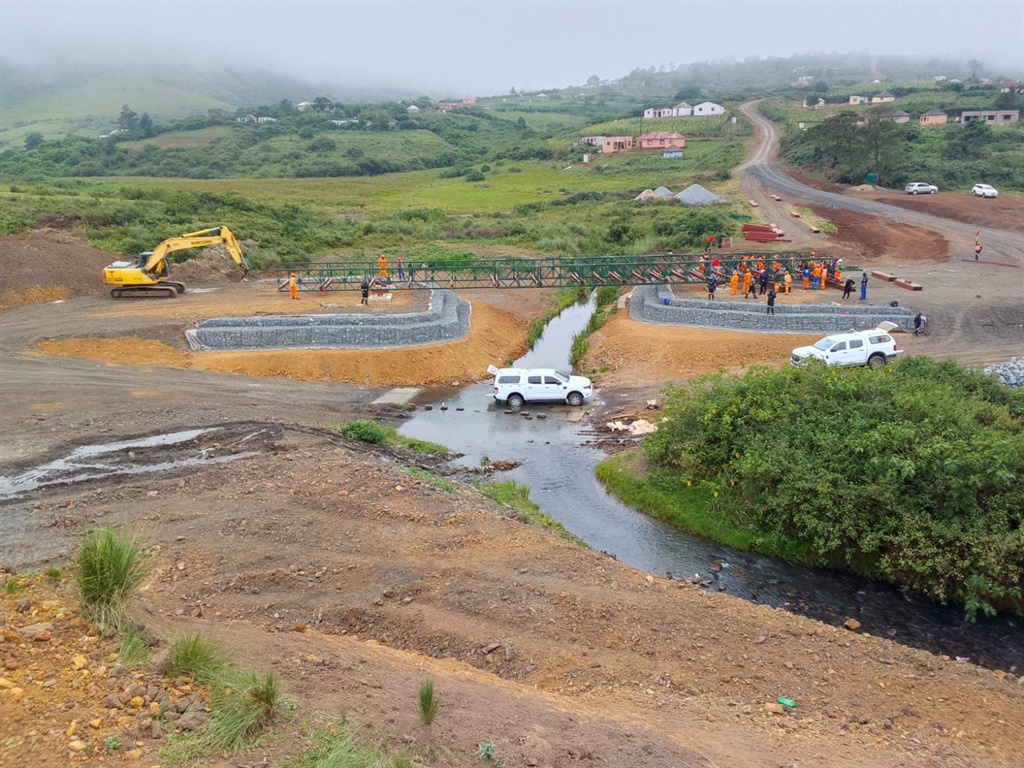
The minister made the announcement during the launch of the massive Welisizwe Bridges construction project held at two Welisizwe bridge construction sites in Port St Johns on October 27.
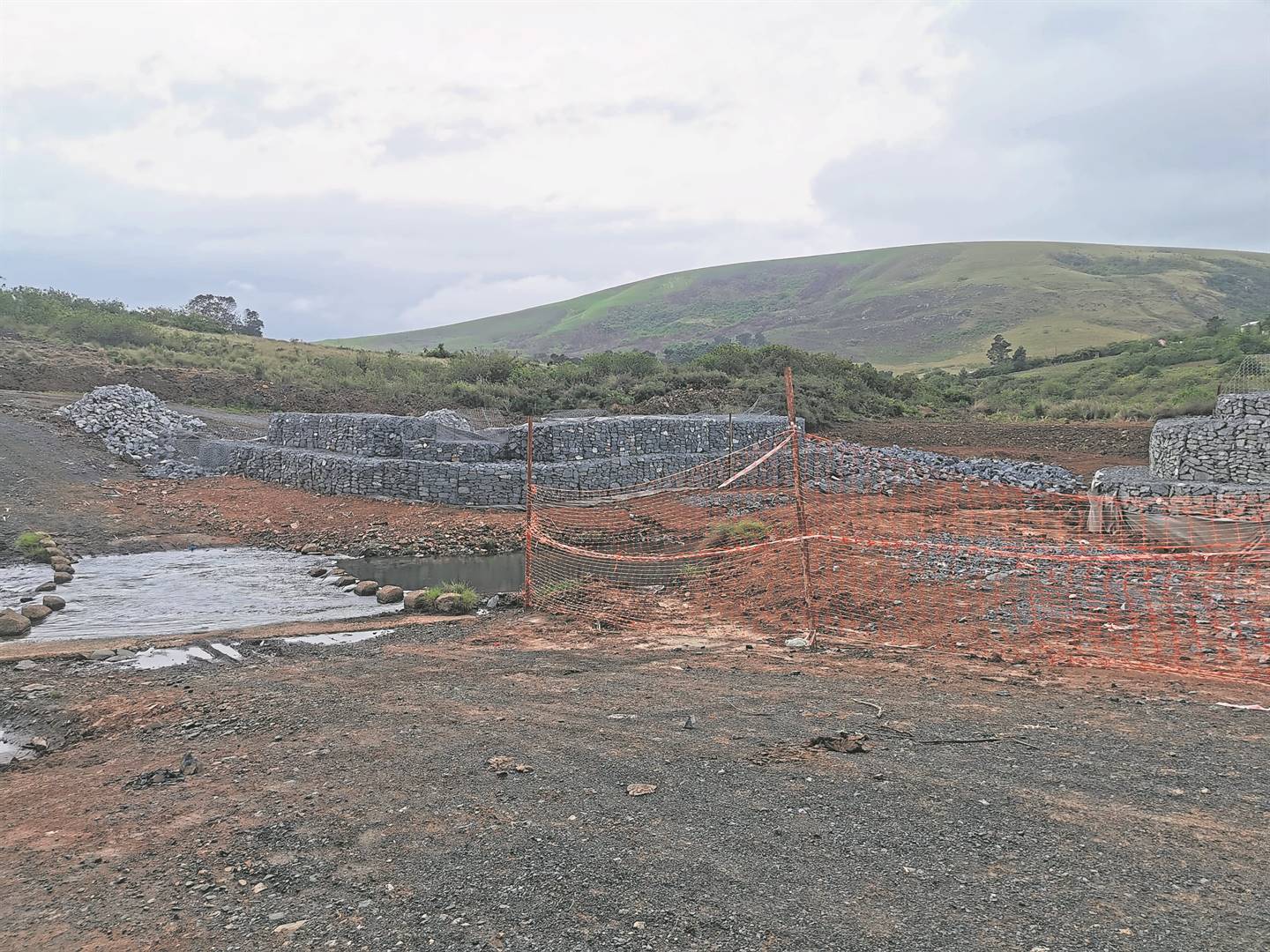
Zikalala, accompanied by the Eastern Cape Transport MEC, Xolile Nqatha, Home Affairs minister, Dr Aaron Motsoaledi, and Port St Johns Local Municipality mayor, Nomvuzo Mlombile-Cingo, visited the Sunrise and Ntlenga bridge sites under Port St Johns Local Municipality, which are 50 percent complete, giving relief to the affected communities for safer rainy seasons.
He said that R1.1b per year will be spent in the Eastern Cape – which was the pilot for Welisizwe Bridges programme, KwaZulu-Natal, Free State, Mpumalanga, Limpopo and North West.
Addressing the media, Zikalala said that the Welisizwe Bridges programme is targeting rural provinces where there is a backlog in the construction of bridges, and a threat to life during rainy seasons.

Welisizwe Bridges is a government initiative aimed at addressing the backlog of bridge infrastructure in rural and disadvantaged communities. The construction of Welisizwe Bridges allows for access to health facilities, schools, and economic amenities.
The Welisizwe Bridges project is a government project involving the Department of Public Works and Infrastructure, The South African National Defence Force, and the provincial Department of Transport.
Welisizwe Bridges not only makes access possible for many communities, but also is labour intensive, creating working opportunities through the Expanded Public Works Programme (EPWP).
During construction of the bridges, skills like welding, groundwork and soil retention are transferred to the workers. Each bridge site has seven SANDF members who oversee all the projects, five artisans and 40 EPWP workers.