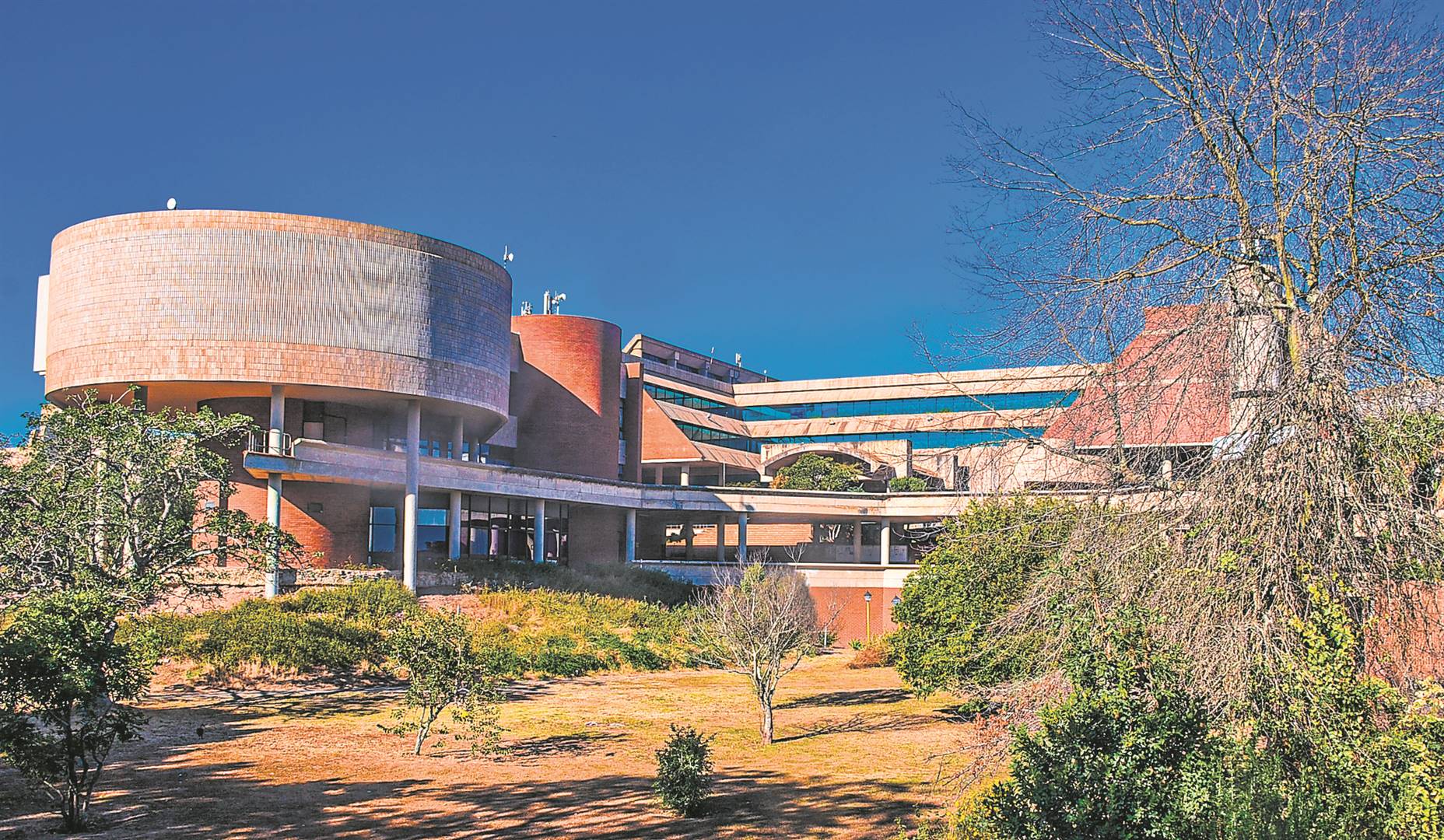
Important interventions and plans are afoot at Walter Sisulu University (WSU) in a bid to improve the university’s projects that are designed to enhance the university’s core business of teaching and learning, research, and innovation, as well as community engagement.
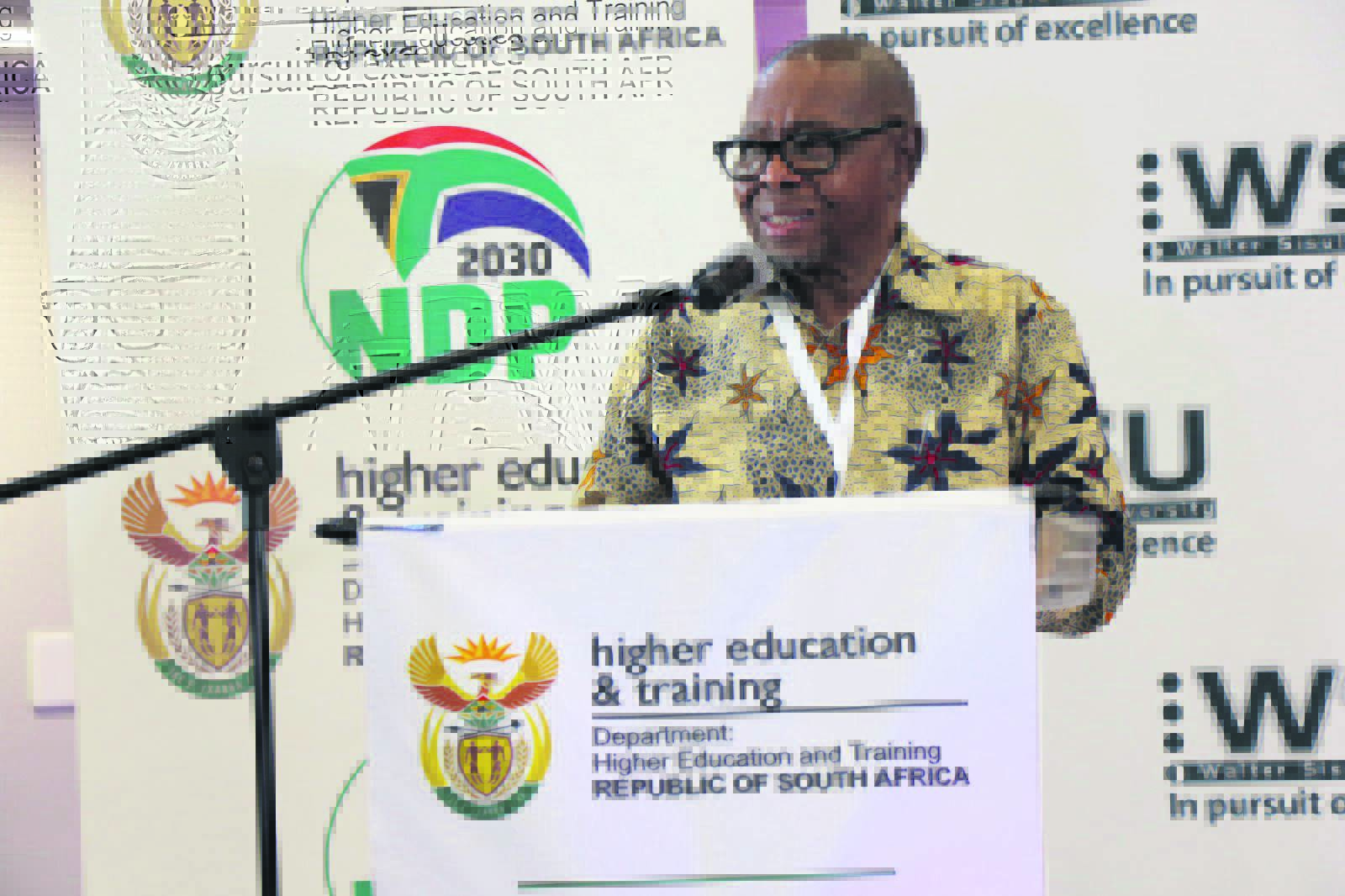
WSU vice-chancellor, Professor Rushiella Songca, outlined the blueprint of what the university will look like in the next two to three years and how she intends to achieve the institution’s aspirations.
Most significant of those interventions includes identifying key niche areas upon which the university can build its brand through a targeted investment of resources in the faculties of engineering, health sciences, natural sciences and education.
“Towards the end of November last year, we received money from the Department of Higher Education and Training to invest in infrastructure, and this year we will start building a state-of-the-art Faculty of Engineering in Potsdam.
“Regarding our Health Sciences faculty, there is a lot of great work going on in that space, with a lot of knowledge being generated, but no-one knows about it because it’s not produced in academic literature. In this regard, we want to include a much more stringent research component within the faculty to produce influential research that can be published in the public domain and work to design that research aspect has begun,” said Songca.
She also announced that the university has finally started work in investigating and doing the spadework in an effort to pursue an academic offering in the agricultural space.
Songca said that the university had identified potential partners, experts and collaborators to assist the university in conceptualising and designing a BSc AgriTech programme that would see its first intake of students by 2025.
“The work towards this goal must start now so that we can produce a body of work which we can submit to the senate in their next sitting in July or August. It’s imperative that we work diligently because after senate, it could take us another year to get the necessary approval from the Council on Higher Education,” she said.
Songca also spoke at length about the university’s responsibility, and ongoing efforts to support students’ academic projects so they can pass in record time and avoid staying within the academic system longer than necessary.
One of the key interventions regarding this was the establishment of the Student Advancement Success and Retention Unit (SASRU), a virtual unit conceptualized in late 2020 and formally introduced in the university in 2022.
“SASRU was created deliberately to give academic support to our students; therefore we need to monitor its activities and to ensure that it does what it was intended to do. Such support is critical from first-year student experience onward so that we don’t have students struggling from the onset,” said Songca.
Other academic support programmes she highlighted, included the Student Tracking Unit; Student Writing & Academic Support programmeand the tutor & PAL programmes, as well as the Uzalo programme, designed for a specific focus on supporting students from first year onwards.
Songca also mentioned a few projects the university has recently completed, and a few others that will be completed and opened soon, and these included:
- Zamakulungisa Site IT Hub
- Teaching Malls at the Nelson Mandela Drive Site
- Clinical Skills Simulation Lab at the NMD Site
- Marine Biology and Pollution Lab at the NMD Site
- New residence at Butterworth Campus
- Lecture hall in Ibika Campus