The South African National Roads Agency SOC Limited (SANRAL) is embarking on the second phase upgrade of the N2 between Mthatha and Qumbu and has vowed to implement lessons learned during the completion of phase one.
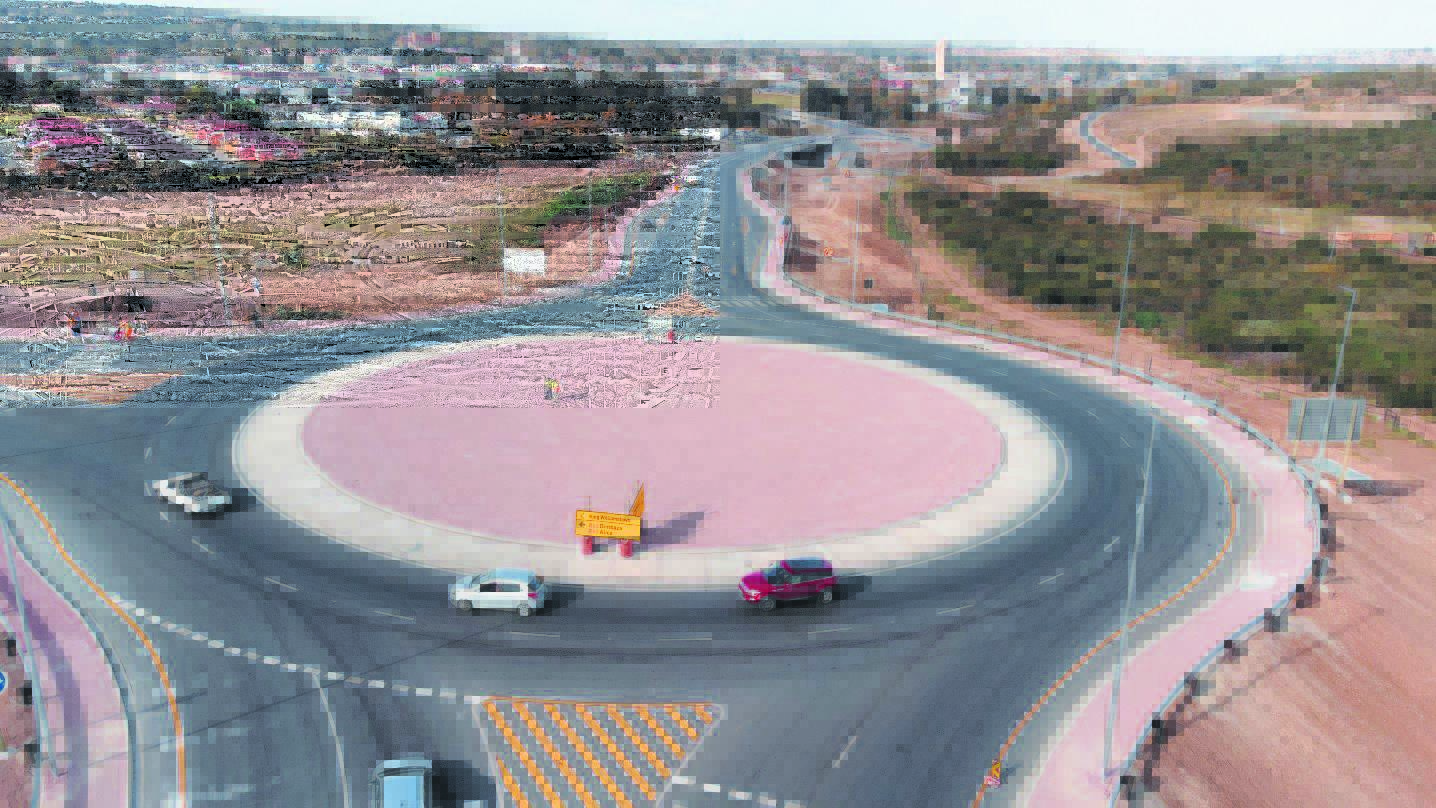
The next part of the SANRAL project stretches 14.3 km from the Mbokotwana River towards the town of Qumbu, where it will end near the stadium.
The project scope comprises the rehabilitation and widening of the N2 with additional lanes, shoulder lanes, designated stops for buses and taxis, the upgrade and relocation of certain intersections for safe entry and exit, and the construction of two new major culverts.
The community development component of the upgrade includes construction of service roads, pedestrian walkways, and sidewalks.
Unlike the first phase of the project, which affected a portion of the Nyandeni Local Municipality, the second phase of the project is solely within the Mhlontlo municipal jurisdiction.
The standard 30 percent target for local businesses will give Mhlontlo-based SMMEs maximum participation.
Members of the Mhlontlo Business Forum, however, have voiced concern about issues they experienced during the first phase of the project. They urged the Project Liaison Committee (PLC) to ensure that the same mistakes were not repeated.
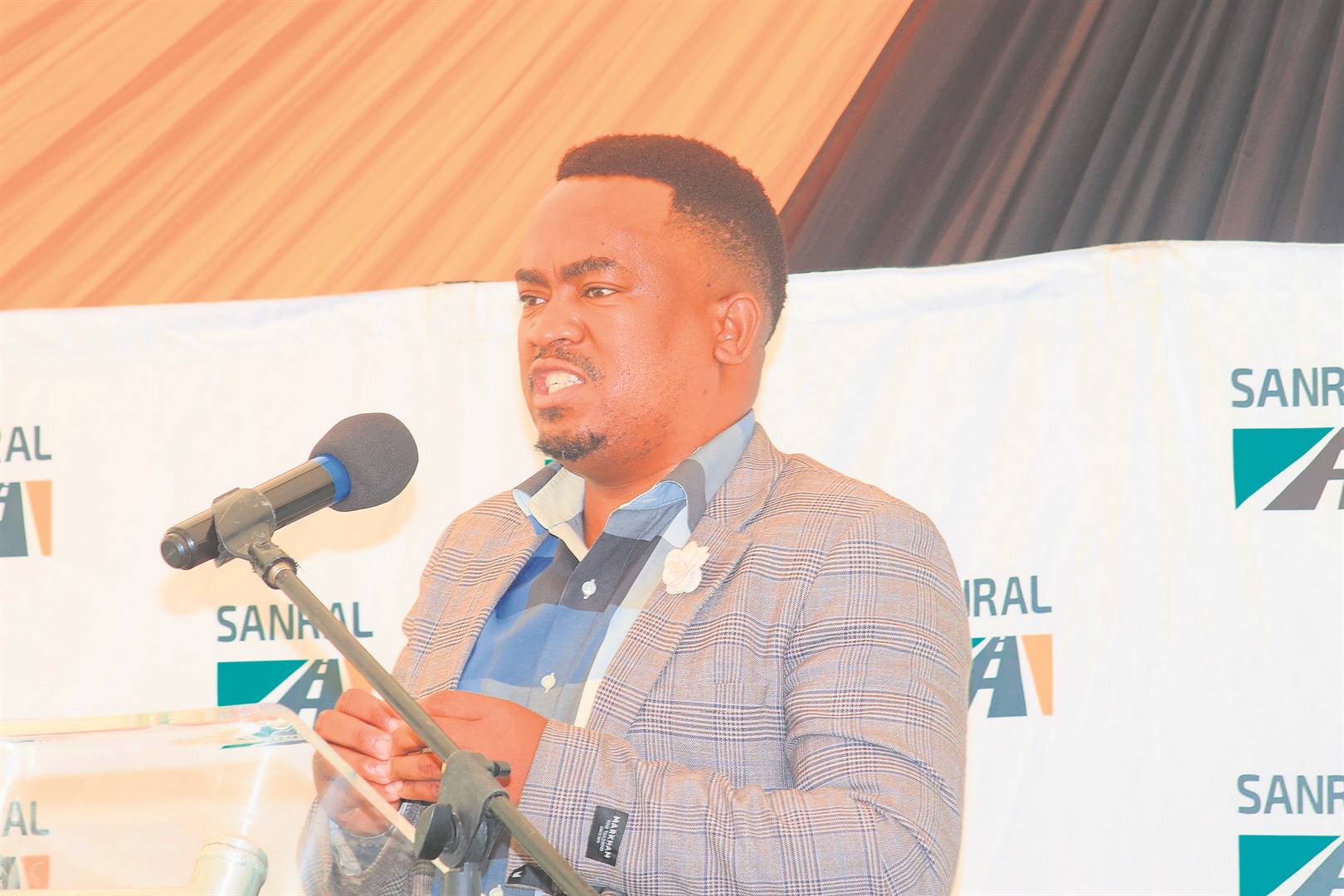
“One of the problems that we experienced from the previous project was that the PLC gave us local labour made up of people who are close to earning an old-age pension, and are no longer fit to do intensive labour throughout the day,” said forum member, Vusumzi Nikelo of Qhweshanathi Civils.
“We are often told that our profits lie on the earlier completion of the task, but if you have people that are no longer suitable to use construction tools, how are you expected to complete the work on time?” he asked.
Nikelo’s company was sub-contracted for work valued at R8.5million on phase one of the project.
Another forum member, Wezile Mhlobo, said local contractors have issues with the main contractors refusing to adjust their rates for plant hire to what the local contractors charge.
Mhlobo said,
Mhlontlo Local Municipality local economic development portfolio head, Mbuti Voko, said animal underpasses or overpasses must be constructed in consultation with communities living closer to the N2, because they are the ones whose livestock is affected.
He added that some people use donkey carts to move goods, such as wood, to and from the other side of the highway and, sometimes, the designs are made without consulting them and those underpasses fail to serve all the community interests.
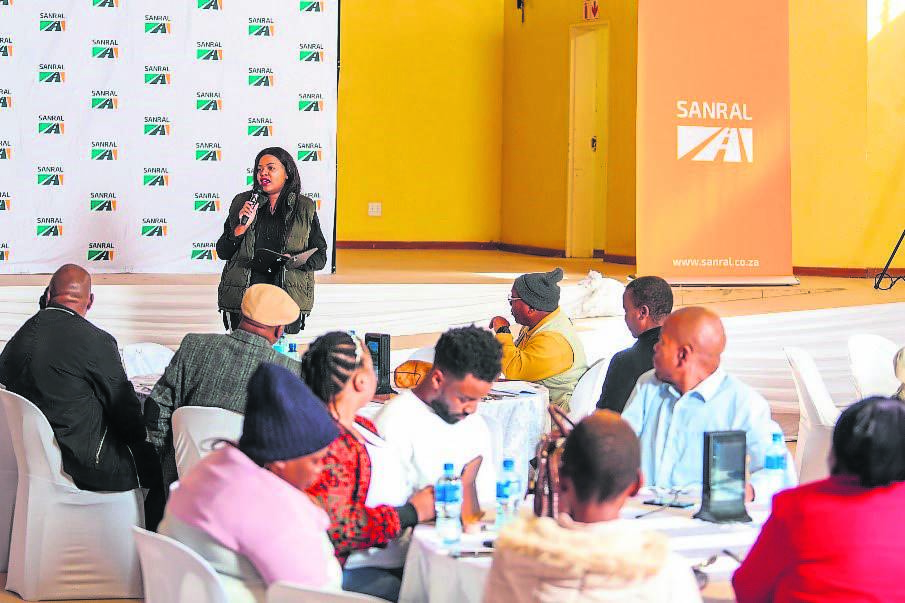
SANRAL’s Southern Region stakeholder relations co-ordinator, Welekazi Ndika, said experience gained from previous projects would be used to improve efficiencies on phase two of the project.
Furthermore, SANRAL also engaged the stakeholders on the upcoming community development project valued at R40-million that will entail construction of access roads in the Mhlontlo and Umzimvubu local municipalities, and will be implemented by local SMMEs.
Stakeholders were also introduced to Imbawula Civil Projects, the consulting engineers who will be supervising the project.
“We are here to inform the stakeholders to prepare themselves, as well as to start the process of establishing the Project Liaison Committee,” said Ndika.
She said the R40million community development project would be labour intensive, which meant more employment for the locals, while about 80 to 90 percent of the work will be sourced from the local SMMEs.