Government and institutions of higher learning have collaborated in a tourism indaba with the primary goal of identifying strategic opportunities for transforming Mnquma Local Municipality and the broader Amathole District Municipality (ADM) into a thriving tourism destination.
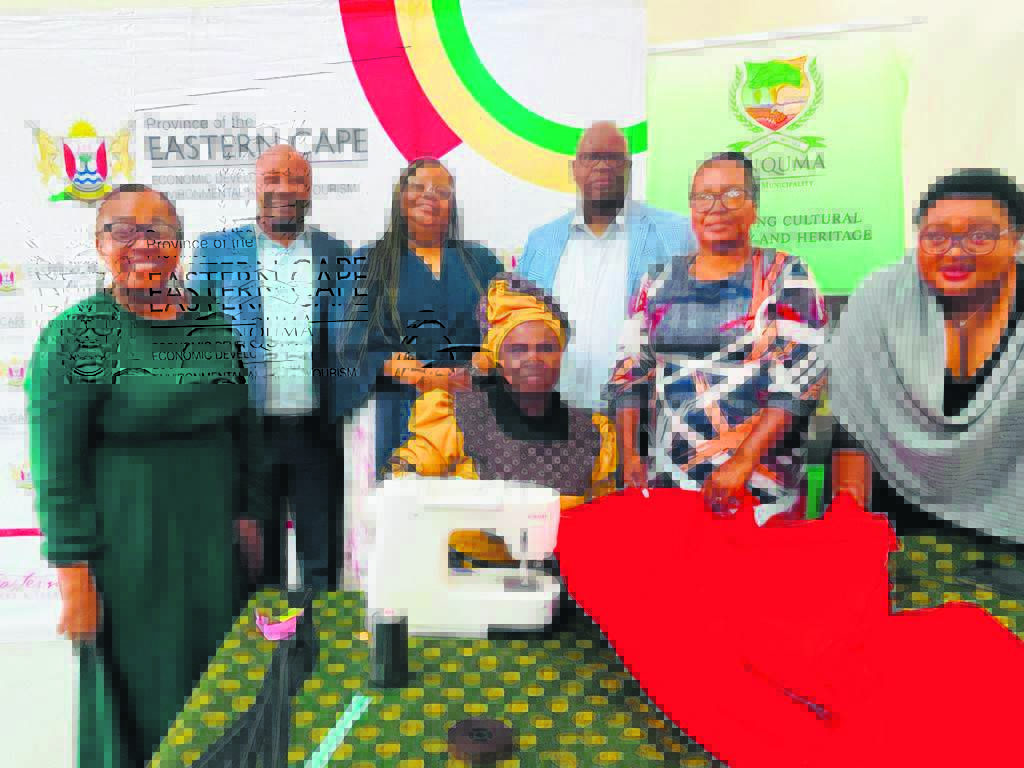
Amathole, Mnquma, University of Fort Hare, Walter Sisulu University and business leaders aimed at harnessing the region’s untapped tourism potential during a tourism indaba.
Mnquma Local Economic Development director, Mondli Dilika, said the initiative sought to explore avenues previously overlooked by both the district and local municipalities. “Through meaningful partnerships with stakeholders, we aim to unlock economic opportunities that can drive sustainable growth in the tourism sector,” he said. Mmquma’s acting mayor, Nokuzola Layiti, encouraged local artists to continue honing their craft, recognising that cultural expressions served as key economic drivers.
“What I find remarkable is the sheer talent on display today. Mnquma is brimming with artistic excellence and these creative industries must be nurtured if we are to market Mnquma as a culturally vibrant destination,” she said.
The region is home to the burial site of King Phalo ka Tshiwo, as well as theologian Tiyo Soga. It is also the birthplace of struggle stalwart Govan Mbeki and forms part of the picturesque Wild Coast. ADM’s Spatial Planning and Local Economic Development Director, Zolisa Xabadiya, said the district authority was committed to supporting Mnquma’s economic aspirations.
“As a district, our mandate is to support local municipalities in achieving their developmental goals. This indaba was planned collaboratively between Mnquma and ADM and we are reaffirming our commitment to ensuring its success,” Xabadiya said.
The tourism indaba served as a crucial step towards unlocking Mnquma’s potential through tourism. Keynote speaker, Dr Jongikhaya Mvenene, said community involvement in redefining Mnquma’s approach to heritage tourism was important.
“Oral tradition shapes our identity and strengthens our historic narratives. If Mnquma wants to build a compelling tourism profile, it must actively engage with its communities. By doing so, it will gain a deeper understanding of the culture and heritage that defines the region,” he said.