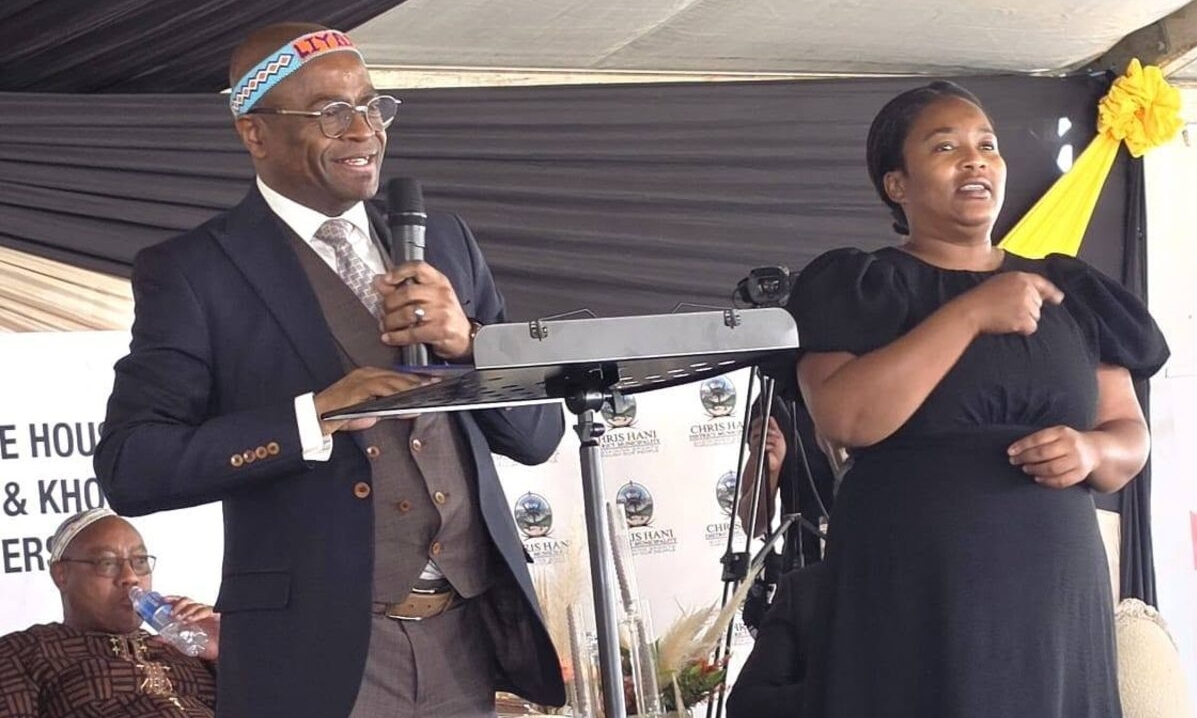
COFIMVABA – The legacy of the late Nkosi Ngangomhlaba Matanzima, a founding member of the Bhisho-based Eastern Cape House of Traditional and Khoisan leaders, has been honoured through a memorial lecture held recently at his hometown of Qamata in Cofimvaba.
Nkosi Matanzima helped facilitate the establishment and construction of the Eastern Cape House of Traditional and Khoi-San Leaders in Bhisho, which currently houses various provincial traditional council and Khoi-San leaders.
This year’s Nkosi Ngangomhlaba Matanzima memorial lecture was organised by the provincial House of Traditional and Khoi-San Leaders in partnership with the Department of Cooperative Governance and Traditional Affairs (COGTA) and the Chris Hani District Municipality.
Nkosi Matanzima, a prominent Abathembu leader, served in the leadership structures of the Congress of Traditional Leaders of South Africa (Contralesa) before being elected unopposed as chairperson of the provincial House of Traditional and Khoi-San Leaders during former Eastern Cape premier Noxolo Kiviet’s term in office.
The annual Nkosi Matanzima memorial lecture, held under the theme “Selfless Patriot, Ethical Leadership and Eastern Cape Legend”, provided an opportunity to reflect on the values that characterised his leadership and to consider its relevance to contemporary leadership, traditional institutions and community development.
The lecture was aimed at honouring the life, vision and legacy of Nkosi Matanzima and celebrating his contribution to strengthening traditional council leadership and institutions in the Eastern Cape.
Reflecting on Nkosi Matanzima’s life, Kumkani Dalimvula Matanzima described him as a man of honour, humility and integrity, and a visionary leader who understood that traditional leadership had an important role to play in the development of rural communities.
“He recognised that traditional leaders needed to be equipped with knowledge and the ability to engage effectively with the complex challenges facing their communities. His vision was not limited to preserving tradition but also ensuring that traditional leaders could confidently occupy important spaces, contribute meaningfully to public discourse and use knowledge and experience to influence positive change,” said Kumkani Matanzima.
Delivering his keynote address, COGTA Deputy Minister Prince Zolile Burns-Ncamashe reflected on Matanzima’s achievements, including his role in the establishment of the provincial House of Traditional and Khoi-San Leaders, his Contralesa leadership and campaigning for the Traditional Initiation Act.
“His contribution to traditional leadership and public service remains part of the province’s leadership heritage and institutional history,” said Burns-Ncamashe.
Burns-Ncamashe added that the memorial lecture served as a call to current and future generations of traditional leaders to carry forward the principles of ethical leadership, education, humility, service and community development that characterised Matanzima’s legacy.
Provincial COGTA MEC Zolile Williams said the lecture sought to celebrate a leader remembered for his kindness, visionary leadership, ethical conduct and commitment to the people of the Eastern Cape.
“The memorial lecture is not only a commemoration of an individual, but also an opportunity to preserve and pass on the values, experiences and leadership lessons of a generation that contributed to the development of traditional leadership institutions in the province,” said Williams.
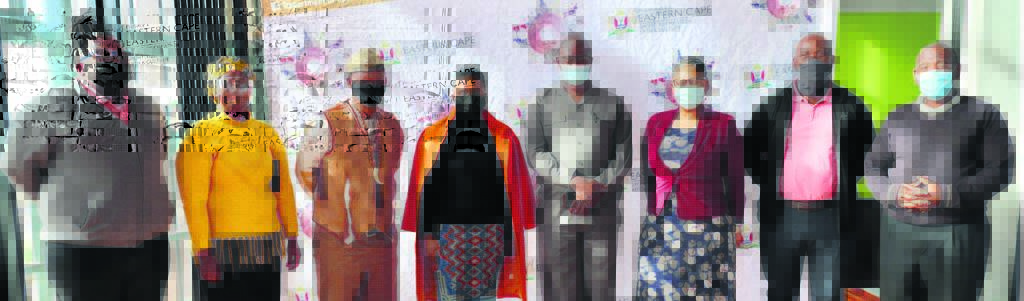
The lecture was attended by former members of the provincial legislature (MPLs), mayors and traditional leaders, including former Premier Noxolo Kiviet, Arts and Culture MEC Sibulele Ngongo and Acting Chairperson of the House of Traditional and Khoi-San Leaders Nkosi Gwazinamba Matanzima.
Matanzima advocated for rural development and the full restoration of land rights and ownership to rural populations under traditional leadership. He also campaigned actively against gender-based violence (GBV) and stock theft, and for the safety of initiates during traditional circumcision season. He was born in June 1943 and died at his home in Qamata in February 2022 following a short illness.
President Cyril Ramaphosa declared a Category 2 special provincial official funeral in recognition of his service and stature.
ALSO READ: Memorial lecture in honour of visionary traditional leader