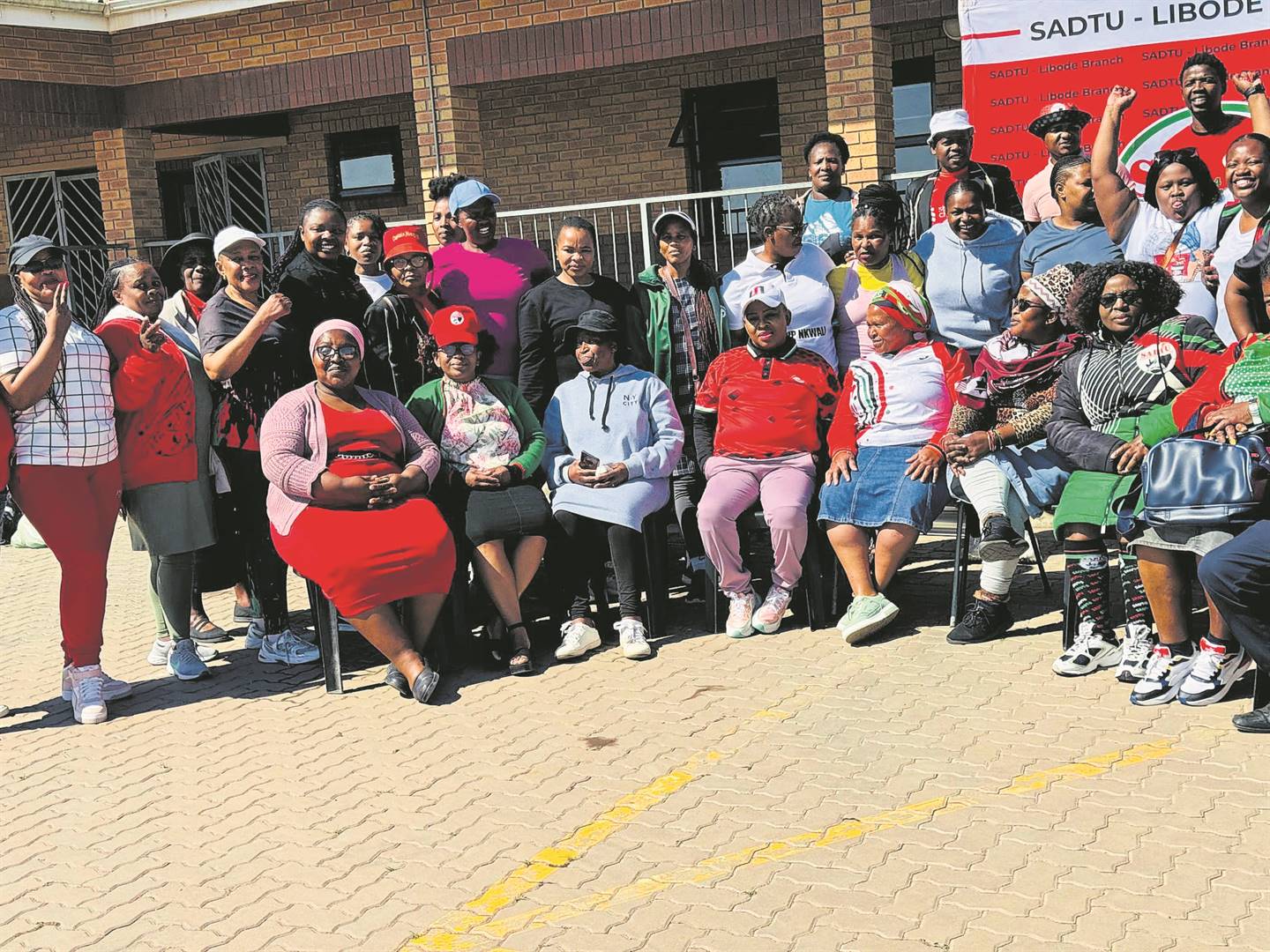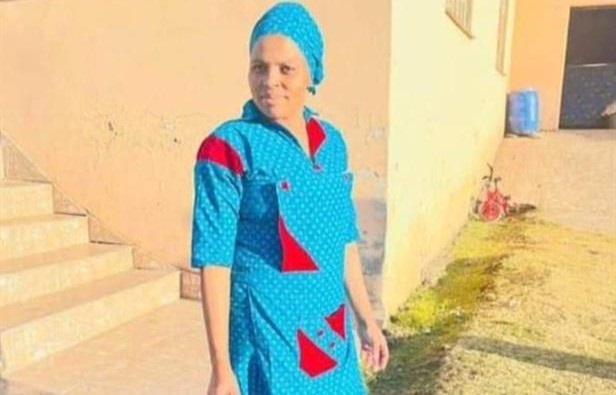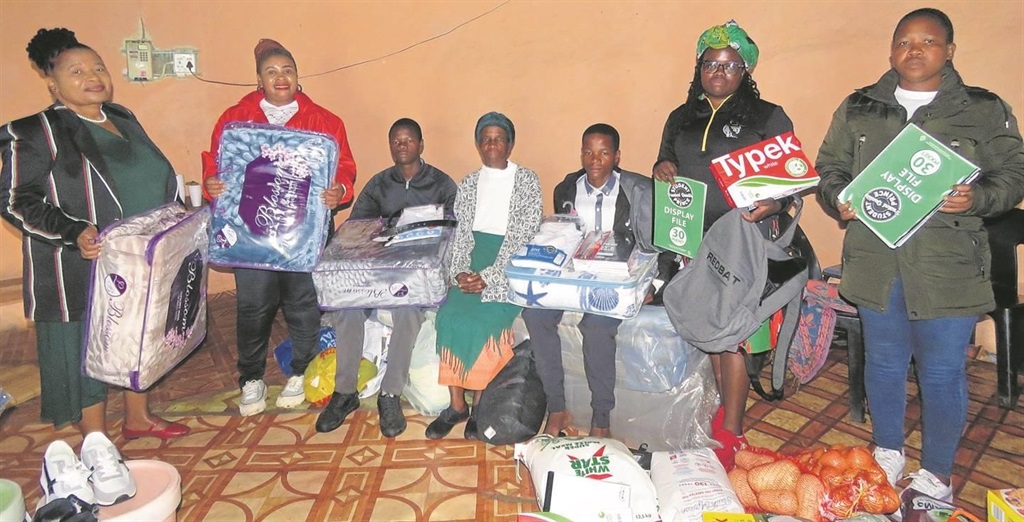
Members of the South African Democratic Teachers’ Union (SADTU) from the Libode Branch have shown love and support to the family of Grade R Practitioner, Nolizwi Bili, from Gorha Primary School in Libode, who went missing under mysterious circumstances on December 6, 2022.
These members donated groceries, clothes, uniforms, stationery, and bedding to her mother, Nowinile Bili, and her two sons. It was confirmed that even teachers not affiliated with the organisation contributed to this family. Additionally, they purchased two smartphones for the boys to assist them with their studies.
Phikolomzi Kahla, the Chairperson of the South African Democratic Teachers’ Union, explained that the union decided to commemorate the 16 Days of Activism Against Women and Children by visiting this family. He mentioned that they discussed the matter with other SADTU members and realised that the family had been struggling since Nolizwi’s disappearance.
He expressed concern that the children were unable to access foster care grants because their mother had not been declared deceased due to the absence of a death certificate. “We believe the government should find a way to assist in easing the burden on their grandmother,” he added.
Kahla also shared plans to collaborate with the police and the Department of Social Development to organise awareness campaigns and host a Men’s Indaba where men can discuss these critical issues.
According to Nolizwi’s mother, on the day of her disappearance, Nolizwi left home for school as usual and showed no signs of distress. “I was shocked when the school management informed me that she was missing. According to the information I received, upon arriving at school, she left her handbag in the staff room. Her colleagues assumed she had gone to her classroom, but after some time, they realised she was not there. It is alleged that after leaving her bag, she was seen exiting through a fence, heading towards the forest. She did not use the school’s main gate,” she said.
Bili’s mask was later found near a river. She disappeared with her two mobile phones, and despite repeated calls from the family, the phones remained unanswered.
“Today, I am very grateful for your visit. This is not the first time SADTU members have come to our home. I was not expecting this support from you, but I want to express my gratitude. You have not come here to reopen our wounds,” said Bili.
Mpumzi Zuzile, a spokesperson for the Department of Social Development, explained that if someone is applying for a Foster Care Grant (FCG), it depends on the person’s relation to the child. “For instance, if the child is mine, then the grandmother applies for an FCG based on the fact that the child is with her or any relative. That child is no longer covered in the FCG. It is not the child who is not in need of care but who is in need of cash, as per the Children’s Act, because he/she is cared for by a relative. Then that child qualifies for a top-up. However, the child whose parents have passed away and is taken care of by someone who is not a relative, such as a community member or neighbour, qualifies for an FCG. The person applying for the FCG goes straight to the magistrate to apply, where they submit all the documents. Then they send us Form 2, which is an order to investigate, and the social worker starts the process to place the child in Foster Care,” Zuzile said.
He added that after the child has been placed and a court order has been issued, the applicant can then apply for a foster care grant at the South African Social Security Agency (SASSA). “For a child who qualifies for a top-up, for instance, one brought by their grandmother, the process is straightforward: they go to SASSA to apply for a top-up. Then SASSA will add R250 on top of the Child Support Grant that the child was already receiving.”