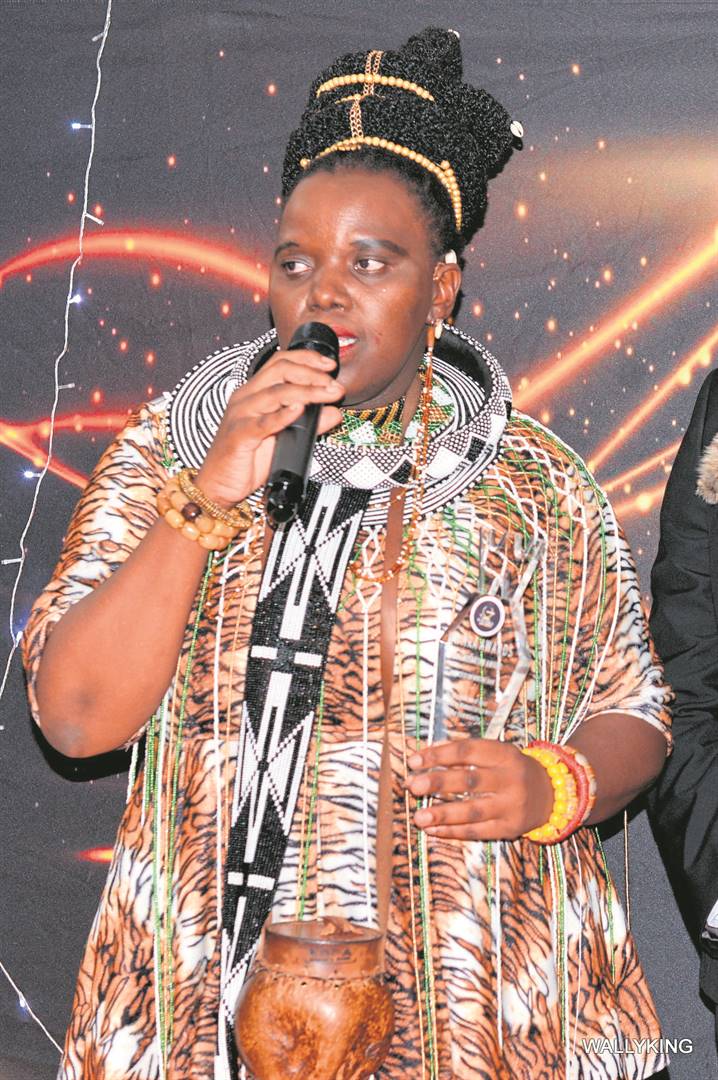
THE founder and Global President of Afrikan Young Indigenous Leaders (AYIL), Dr Nikiwe Bam, from Nkondlo Locality in Ngcobo, recently participated in the prestigious Incwala ceremony of Abangoni, held in Chipata, Zambia.
The event was hosted by Inkosi Yamakhosi Mpezeni IV Jere, the paramount chief of the Ngoni people, and was graced by the President of Zambia.
According to Bam, this ceremony brought together a distinguished assembly of African traditional leaders and dignitaries.
“Royal dignitaries from Tanzania attended, including Inkosi Mgendela Gama, Inkosi Mputa Gama, and Prince Markcelin Gama. The Zulu Kingdom delegation was represented by Prince Dr Zeblon Bhekizizwe Zulu, his wife, Jabu Zulu, and others. The Kingdom of Eswatini sent a delegation led by Deputy Minister Thulisile Dladla, who represented His Majesty King Mswati III and was accompanied by Lizinyane HRH Prince Bandzile,” said Bam.
Bam emphasised that attending these ceremonies fulfils the mandate of Afrikan Young Indigenous Leaders. She highlighted the importance of intermarriages in restoring lost culture and language. She further noted that Africans share many of the same traditional ceremonies —especially the first-fruits rituals and prayers for rain — which are ancient traditions uniting communities across the continent.
Bam added that these ceremonies provide invaluable learning experiences, as they demonstrate how passionately people embrace their traditions, in contrast with South Africa, where colonial legacies have led many to forgo such practices.
“The Incwala ceremony is a traditional ritual where the King and the Nation give thanks for a good harvest. It is a celebration of prosperity — similar to an offering — where people express gratitude to their ancestors for their blessings. These rituals include asking for rain and other necessities. However, what we often fail to do is give thanks to our ancestors when our harvests are abundant. In the past, when crops, such as maize, were struggling, virgin girls would walk around the fields in a form of prayer.”
According to her, in the Eastern Cape, as people work to restore the culture of Inkciyo, these young women play an essential role in praying to the ancestors for a good harvest. She mentioned that other cultures refer to this as Unomkhubulwane.
“As a Kingdom, after receiving what we have asked for, we should celebrate the good harvest.
“As we restore the culture of Inkciyo, we must also understand the significance of purity. We must recognise the role of these young women, who are preserving their purity, and appreciate what they represent.”