The Eastern Cape has emerged as one of the most improved provinces in South Africa, recording a significant double-digit decline in road carnage despite a substantial increase in vehicle population at the start of the season.
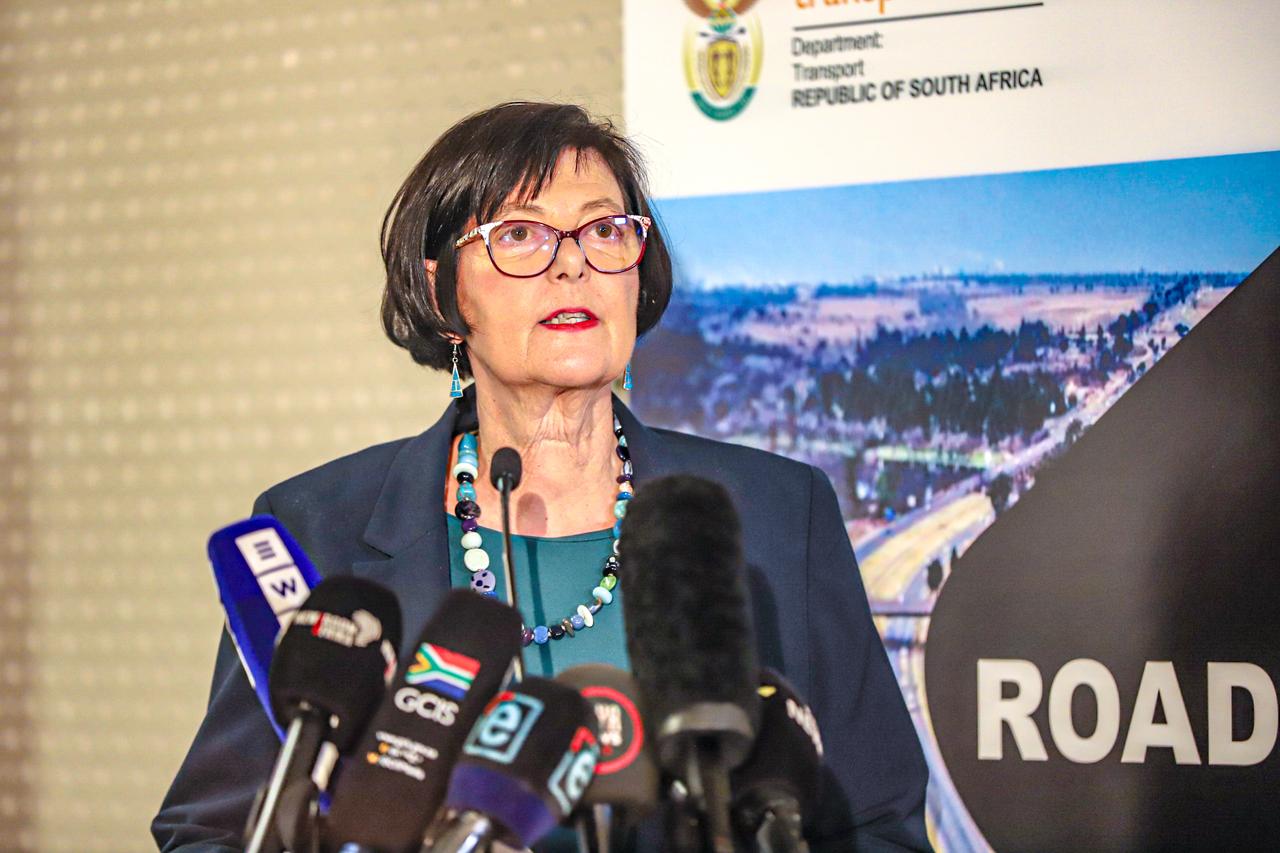
Transport MEC Xolile Nqatha, addressing members of the media in Gqeberha, said that through intensified law enforcement and sustained education campaigns, the province achieved the following reductions compared to the previous festive season:
• Fatalities: Decreased from 251 to 167 (a 33% reduction);
• Fatal crashes: Declined from 176 to 139 (a 21% reduction); and
• Pedestrian fatalities: Dropped by 50% from 24 down to 12.
Nqatha said the department’s “Zero Tolerance” approach resulted in a dramatic surge in enforcement activities, with checked vehicles moving from 226,846 to 301,462.
“Drunk-driving arrests more than doubled, rising from 705 to 1,450. Public transport vehicles impounded rose from 36 to 281. Six cases of bribery involving traffic officers were identified, alongside arrests for impersonating an officer and illegal firearm possession,” he said.
One notable enforcement highlight included the arrest of a driver on the R61 near Bizana with a breath alcohol level of 2.80mg/1000ml, nearly 12 times the legal limit of 0.24mg/1000ml, Nqatha said. Data analysis shows that the third and fourth weeks of December remained the highest-risk periods. “A concerning new trend shows that Mondays have been identified alongside Thursdays and Fridays as peak days for fatalities. Most crashes occurred between 17:00 and 22:00, often coinciding with payday weekends and industrial shutdowns.”
He said that while welcoming the statistics, the department remained mindful of the human tragedy behind the numbers. “Behind every statistic is a life lost — a parent, a provider, a citizen whose contribution has been permanently erased. Our roads cannot and must not become death traps.”
Nqatha said in line with the United Nations Decade of Action for Road Safety, the Eastern Cape remains committed to a 365-day road safety programme with the goal of reducing fatalities by 50% by 2030.
“Moving forward, the government will strengthen coordination with SAPS, Metros and Local Municipalities. The government will decisively root out corruption within Driver and Learner Testing Centres (DLTCs). The government will deepen partnerships with faith-based and civic organisations to foster a culture of responsibility.”
Nqatha extended his department’s deepest condolences to the families mourning loved ones and thanked the law-abiding road users who contributed to these life-saving results.
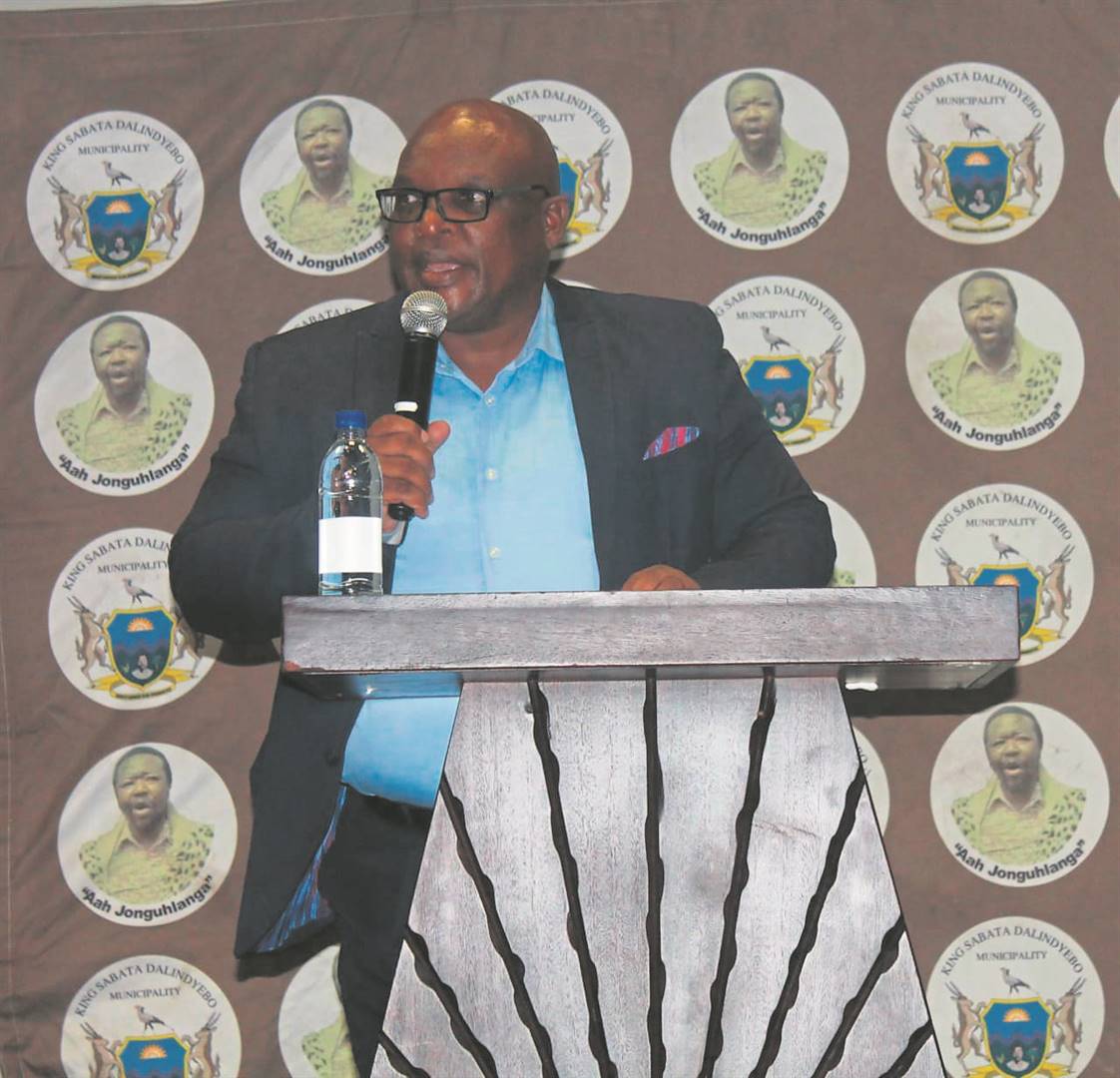
Road traffic safety expert, Tshepo Machaea, said road users should follow the rules from the day they pass their driving licences. “Being qualified means following the rules 365 days a year. If we can do that, we would not have so many accidents. Compliance from drivers is very important,” he said.