
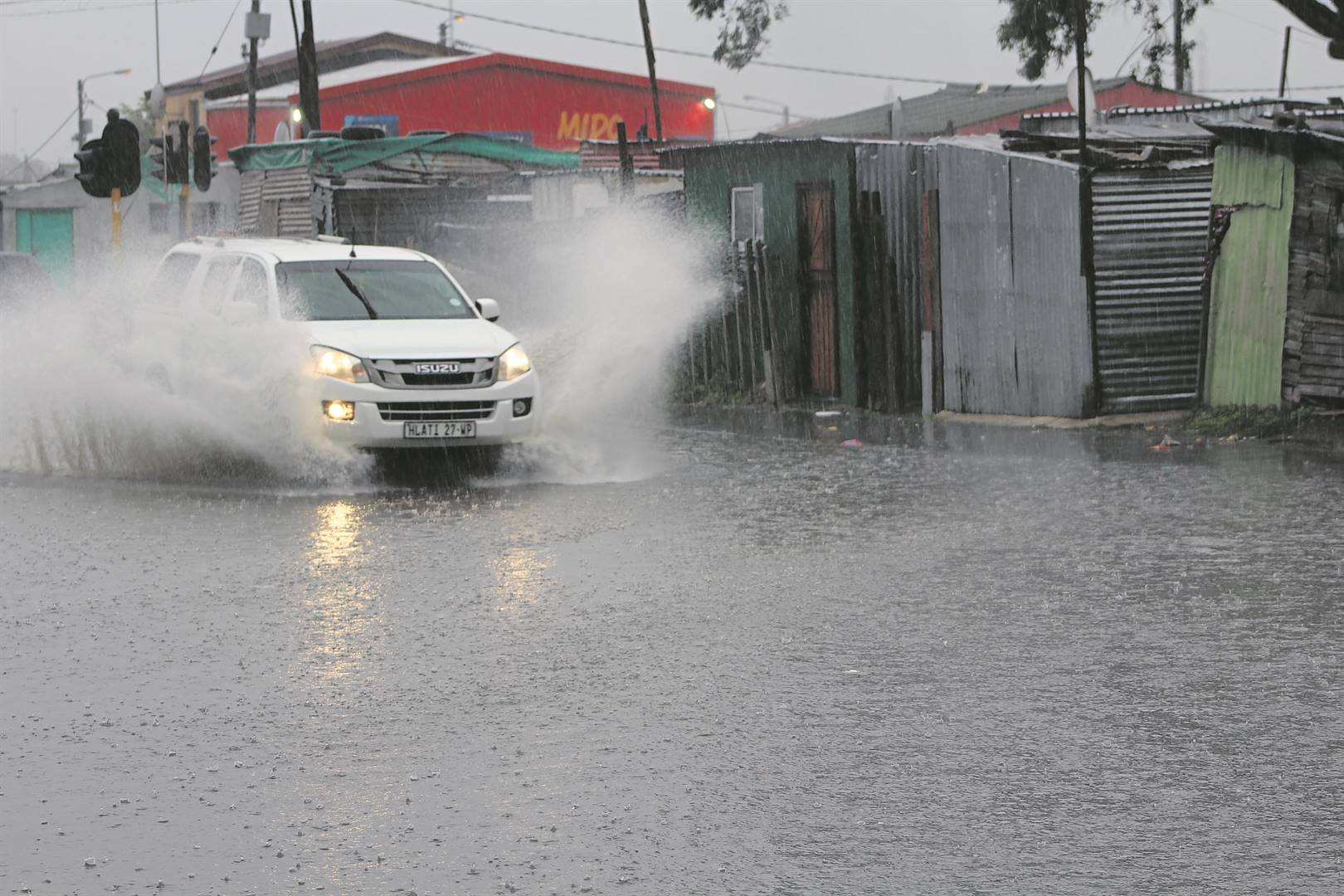
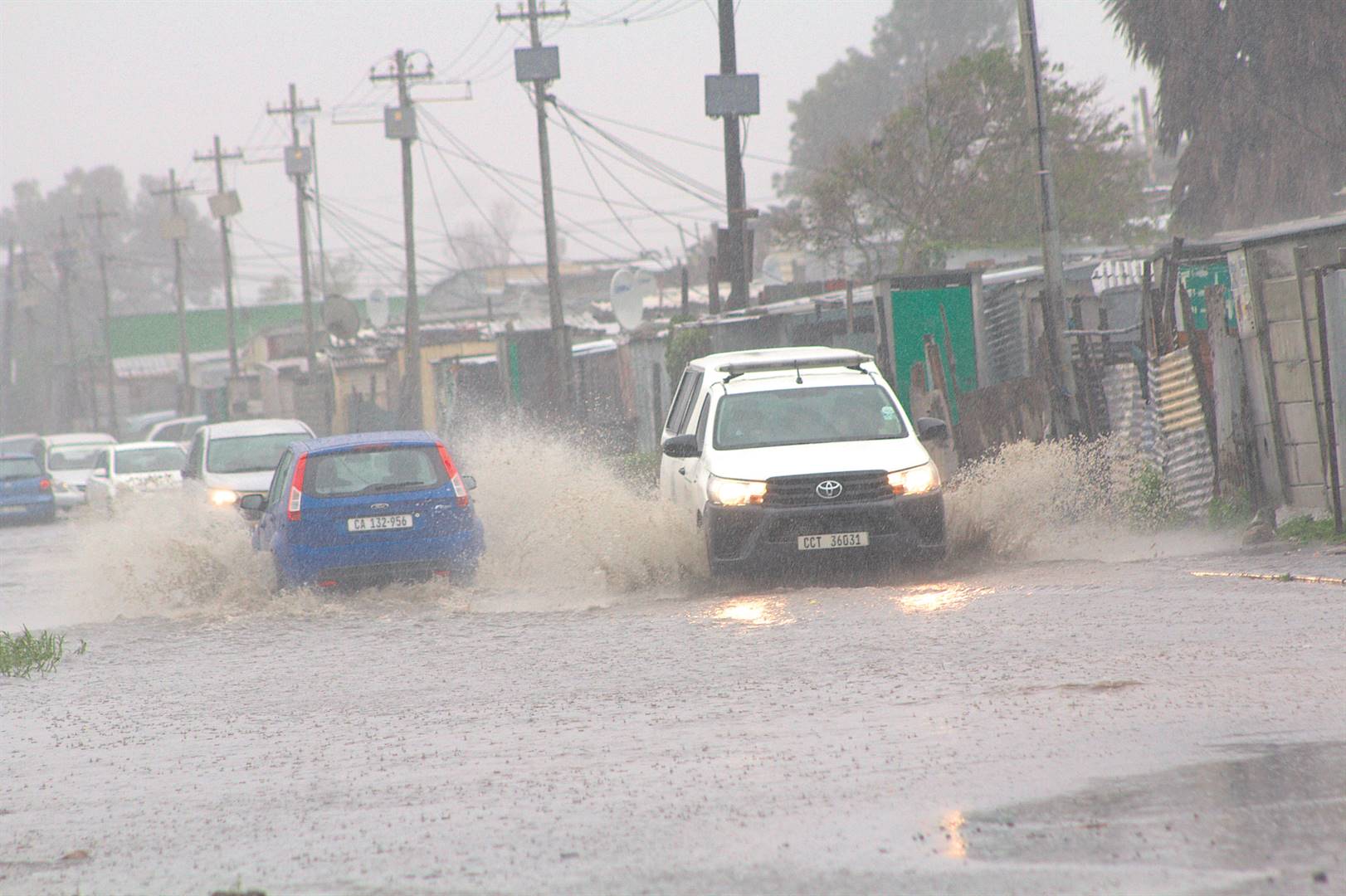
The ongoing heavy downpours accompanied by strong winds have wreaked havoc across the townships and created a driving nightmare for motorists.
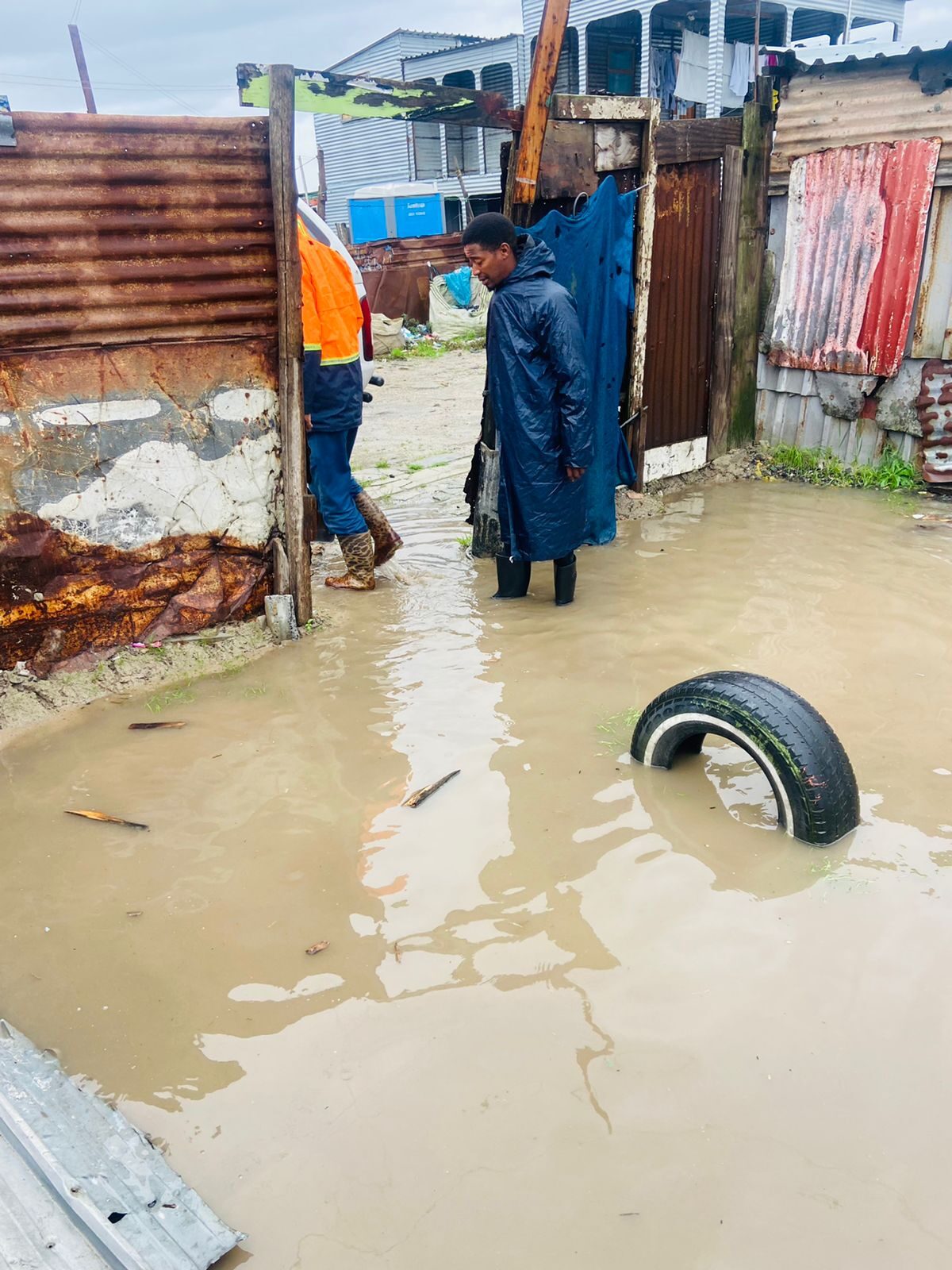
The weather has also kept the Western Cape Emergencies services on their toes, with many households flooded and families displaced.

The prevailing conditions are expected to continue next week, with the South African Weather Services (SAWS) issuing numerous warnings.
The weather service has also urged residents to remain indoors where possible, with temperatures reaching a maximum of 10 ºC. According to the SAWS, Tuesday 9 July was the coldest day of the year so far.
“Residents of the Western Cape are advised to remain vigilant, as further winter weather systems can be expected to affect this region,” warns SAWS.
“The Weather Service will therefore continue to monitor any further developments relating to this weather system and will issue subsequent updates as required. Furthermore, the public is urged and encouraged to regularly follow weather forecasts on television and radio.”
Several key roads, including Klipfontein in Nyanga and Crossroads, big sections of Japhta K Masemola/ Govan Mbeki in Philippi and Khayelitsha were flooded.
City Vision witnessed how motorists and residents battled to drive or cross in certain areas. In some communities residents struggled to keep warm, while others looked at alternative means to release water that flooded their homes.
Meanwhile, the City of Cape Town warned of damage to homes, streets and flooded facilities.
Damage caused by fallen trees, lightning and roofs blown apart by strong winds have been reported across the City as the storm batters residents.
Recently, the Mayco member for urban mobility, Rob Quintas visited Ntulo Street in Site C, Khayelitsha to assess the nature of damage.
“It is frustrating to realise that much of the flooding affecting formal communities is directly correlated to blocked stormwater infrastructure, which leads to drastic conditions for some families who now find themselves in inconvenient and unpleasant situations on their streets or in their homes. Our teams are working around the clock to clear more than 268 affected roads that were reported, with Khayelitsha being one of the severely impacted areas,” says Quintas.
Flooding assessments are underway in areas such as Philippi. There have also been cases of blocked drains which have increased the risk of flooding in areas like Khayelitsha.
“Dumped builders’ rubble, plastic packaging, animal carcasses, etc. may disappear from sight, but they do not disappear, they have not been ‘disposed of’… In Khayelitsha, there was all manner of solid waste dumped directly into the system. Illegal dumping into infrastructure causes flooding, and causes untold misery in communities who have to wade through knee-high contaminated water. Flooding has both economic and social ramifications. Water-logged roads caused by blocked storm water outlets experience damage to road infrastructure such as potholes and abraded road surfaces which in the future will require substantial public funds to repair and which could otherwise be allocated to other essential services,” says Quintas.
Report blocked stormwater infrastructure, illegal dumping and potholes:
. Use the City of Cape Town app
. Phone the City’s customer call centre on 0860 103 089
. Or, log a service request on www.capetown.gov.za/servicerequests