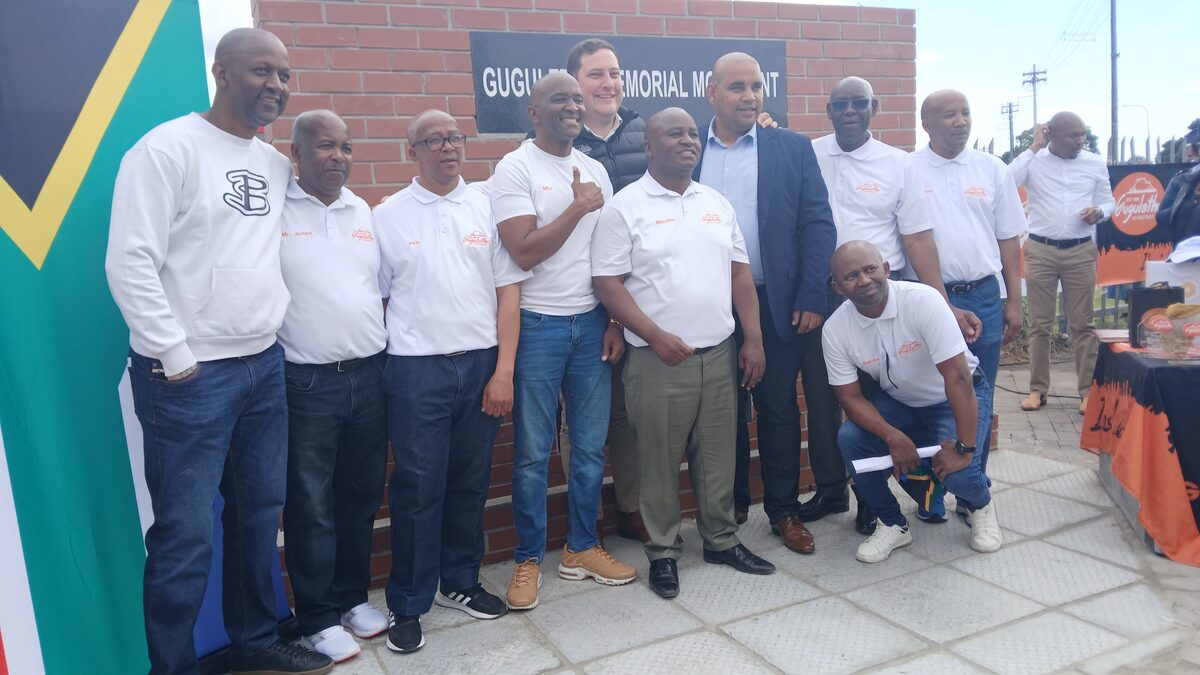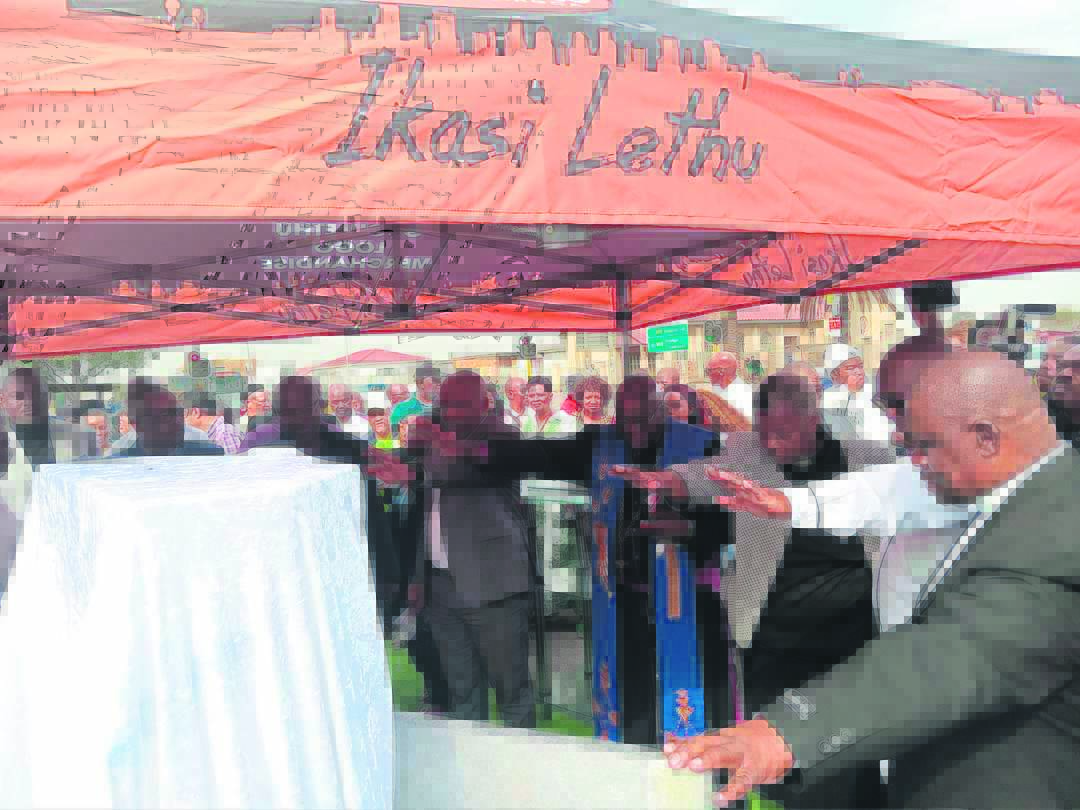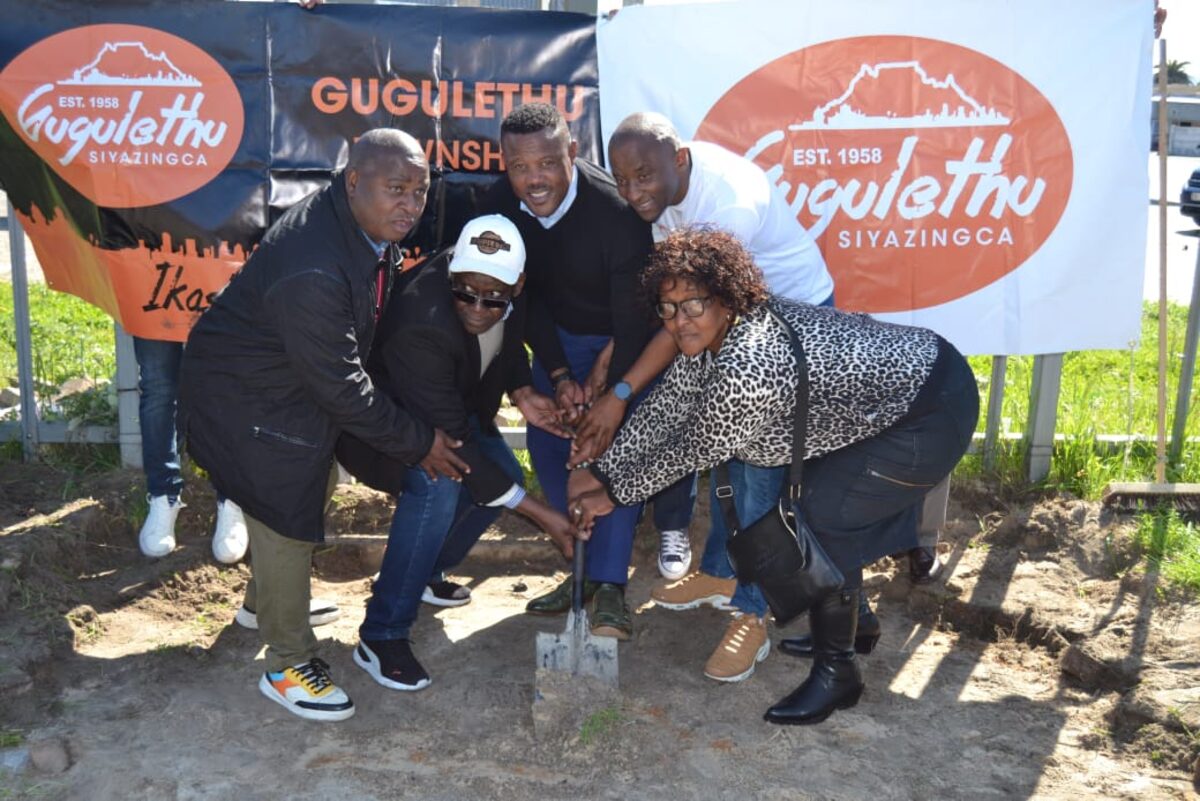

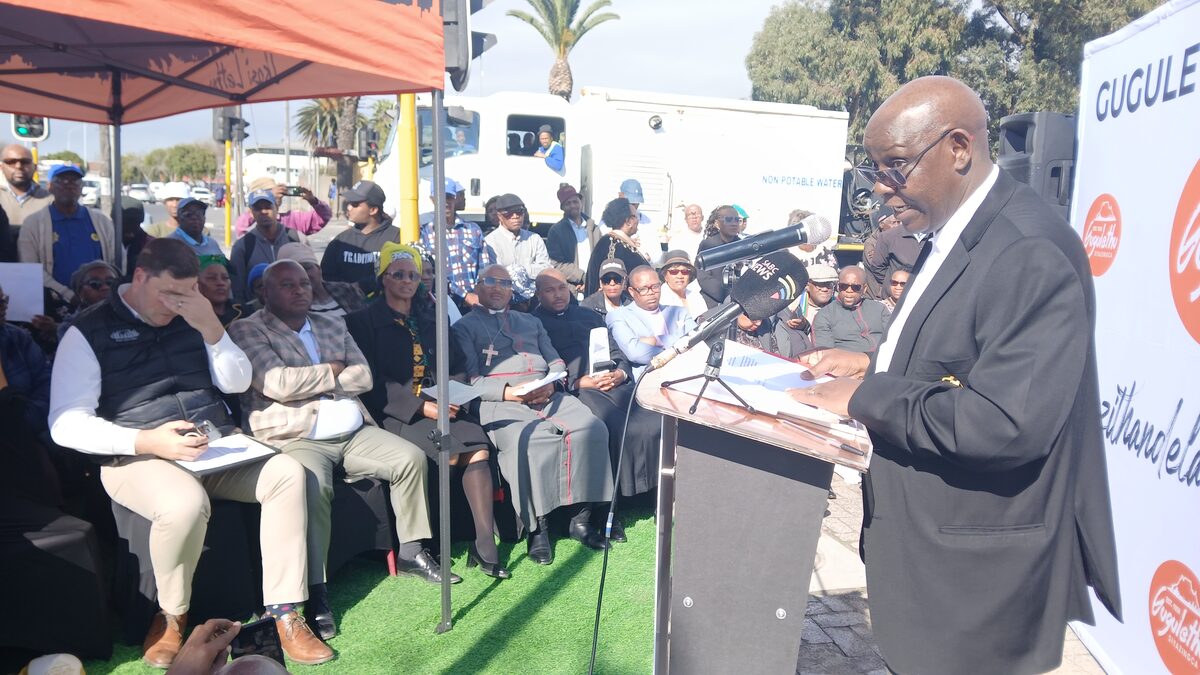
Scores of people converged at the corner of NY1 and NY 108 in Gugulethu on Thursday 18 September to mark a symbolic milestone during the official unveiling of the Gugulethu Memorial Monument.
The project, which took nearly three years to complete, faced delays due to the lack of funds and lengthy process of obtaining land approval from the City of Cape Town.
The unveiling ceremony was attended by several dignitaries, including the City’s Mayor Geordin Hill-Lewis and Deputy Mayor Eddie Andrews.
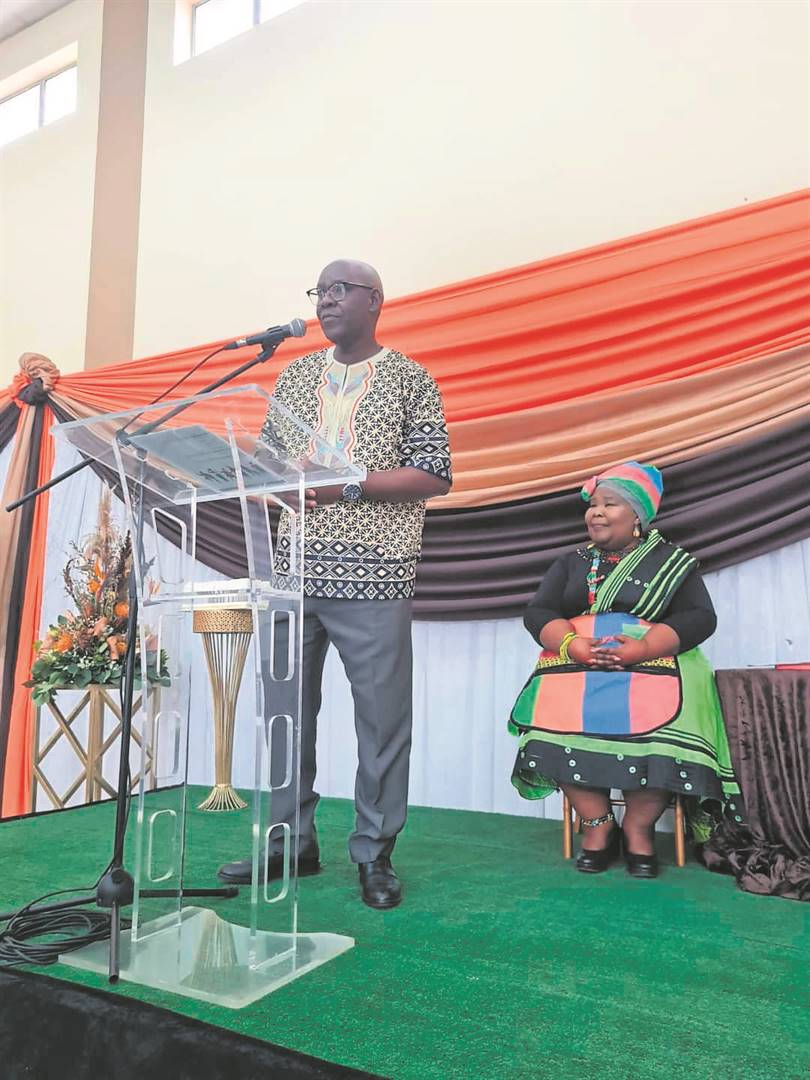
The Gugulethu Memorial Monument Steering Committee chair Mzwandile Plaatjie, described the plaque as long overdue.
He indicated that the ceremony was not merely a celebration of a structure, but a profound reflection of shared heritage and collective consciousness. “It represents a shared effort to preserve the memories of our townships, to ensure that the history of Gugulethu is accurately captured and preserved to nourish the souls of our community,” explained Plaatjie.
He added that the monument is a tribute to the sacrifices of those who came before them.
“We are not celebrating what we did but honouring the struggles of our ancestors. The monument rekindles their spirit and stands as a gesture of gratitude for all they endured. Though we didn’t choose the conditions in which we were born, we refused to become what we were not. We will not let our circumstances define us,” he added.
Plaatjie vowed that the community would continue to carry forward this legacy.
“The monument is not just a historical record, but it’s a guarantee that the history of Gugulethu will never be erased. It will be a place of remembrance, reflection, and comfort during difficult times,” he said.
Hill-Lewis echoed these sentiments, saying the memorial is both a symbol of the past and a beacon of hope for the future.
He noted the site has the potential to become a valuable tourist attraction and a community asset.
“The monument memorialises three significant historical events which include the establishment of a Permit Gate in 1960 to control movement under the apartheid-era Group Areas Act. The gathering of 700 local men who joined Philip Kgosana’s historic protest march from Langa to Cape Town. The tragic story of a mother who lost her child in an accidental shooting by soldiers, a moment immortalised in Ingrid Jonker’s iconic poem ‘The Child is Not Dead’,” said Hill-Lewis.
Resident Papi Dyonase, from NY49, praised the steering committee for its dedication and vision.
“What they’ve done will never perish. This monument is not only for the people of Gugulethu, it’s for anyone who wants to learn about the rich history of this area. This is the start of a new beginning. Gugulethu will never be the same again. It may seem small to some, but it holds deep historical meaning,” said Dyonase.
He urged the community to take pride in the monument and to protect it for future generations.