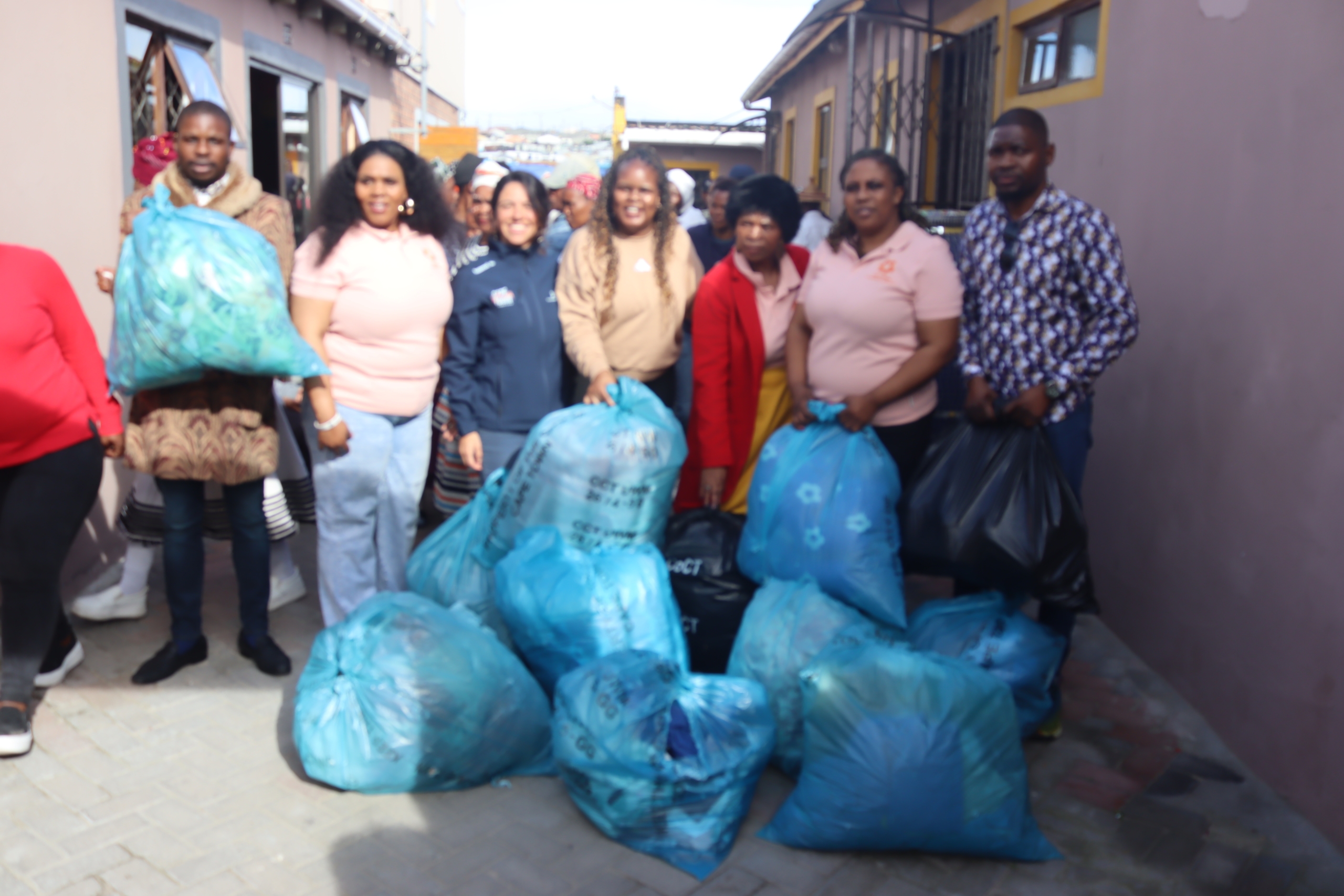

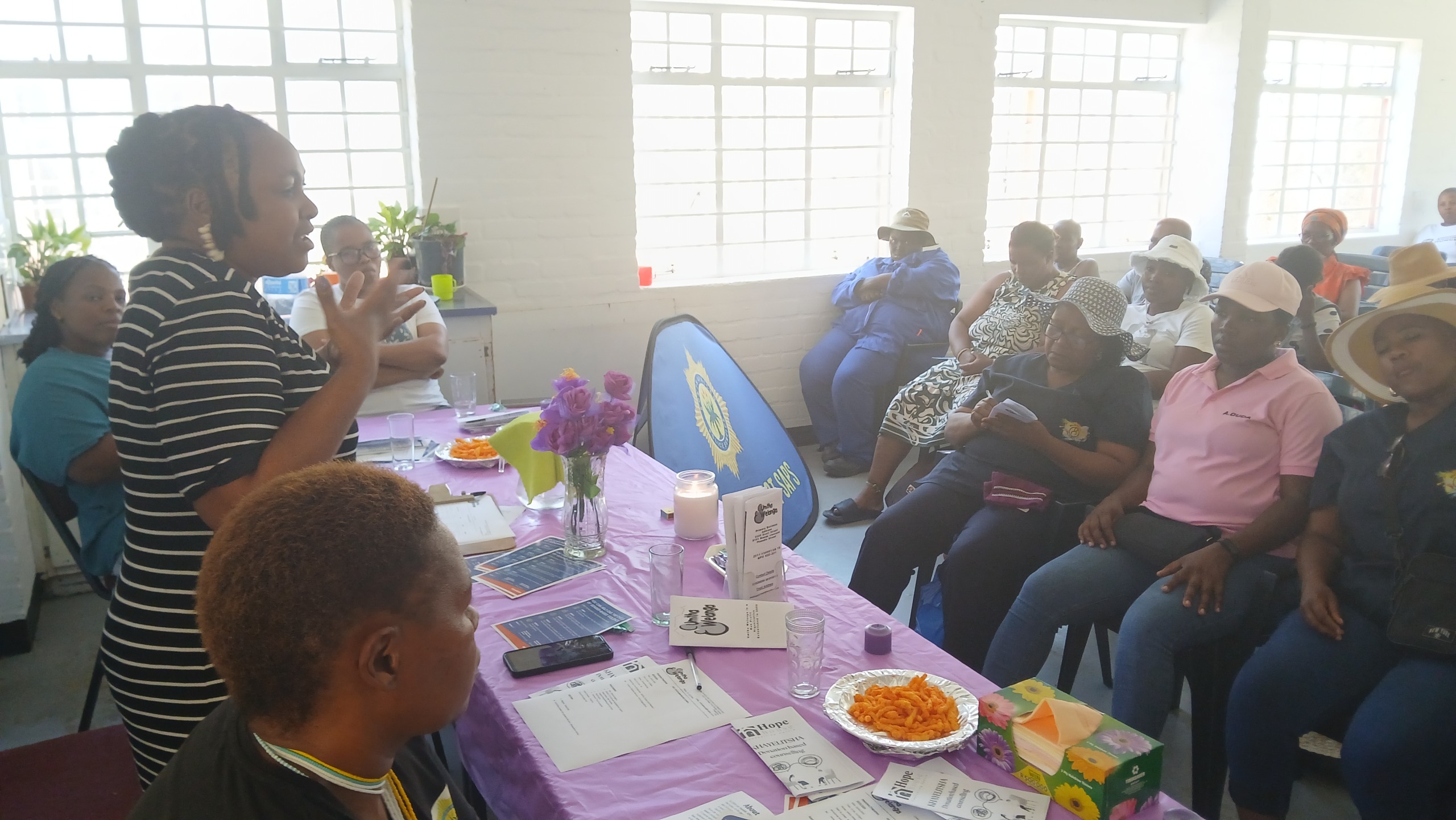
Community members of Khayelitsha and surrounding areas gathered at the Masiphumelele Development Centre in Khayelitsha for a gender-based violence (GBV) awareness programme organised by Umtha Welanga in partnership with Lingelethu-West police officers on Friday, 20 February.
Community stakeholders unite against GBV
Among the stakeholders who attended the event were the provincial Department of Social Development (DSD), the Thuthuzela Care Centre and various non-governmental organisations.
The director of Umtha Welanga, Vivienne Mciteka, said the aim of the programme was to educate the community about the social ills they face. Her non-profit organisation focuses on providing family-support programmes, home-based care, and assistance to orphans and vulnerable children.
Mciteka described Umtha Welanga as a pillar of the community, striving to bring essential services closer to residents.
“We are discussing various topics, including HIV/AIDS, the LGBTQI+ community, and other social challenges we encounter in our society. We are educating the community and creating a platform for people to speak out,” she said.
She added that Umtha Welanga works closely with the DSD. “Most of the young people we assist are referred by local schools, while others come voluntarily. If we identify serious challenges, we refer them to the provincial Department of Social Development,” she explained. Mciteka also noted that the organisation offers aftercare and school holiday programmes.
Understanding the different forms of gender-based violence
An auxiliary DSD worker, Monica Sagela, said GBV manifests in different forms and affects both men and women, although women are disproportionately impacted.
“There are different kinds of GBV, including verbal, physical, financial, sexual, and emotional abuse,” she said. “Do not allow your partner or spouse to abuse you. If he or she assaults you, report the matter to the police or come to us. We will assist you.”
Sagela said many people remain in abusive relationships in an effort to keep their families together. Some conceal bruises or endure stigma within their communities, particularly when women choose to leave their husbands or take legal action. She encouraged victims to apply for protection orders at their local courts.
“You can come to us. We will not judge you. Even if you want to leave your marriage but do not know how, come and speak to us. We will advise and support you,” she said.
Survivors encouraged to speak out
Resident Nomfusi Lwandle described the event as an eye-opener that encouraged many people to speak out.
“I once had a boyfriend who used to beat me. I opened a case against him, and he was arrested and jailed for three months. After his release, we separated. So I understand what people were talking about,” she said.
She urged others not to remain in abusive relationships and encouraged them to find the courage to speak out against any form of abuse.