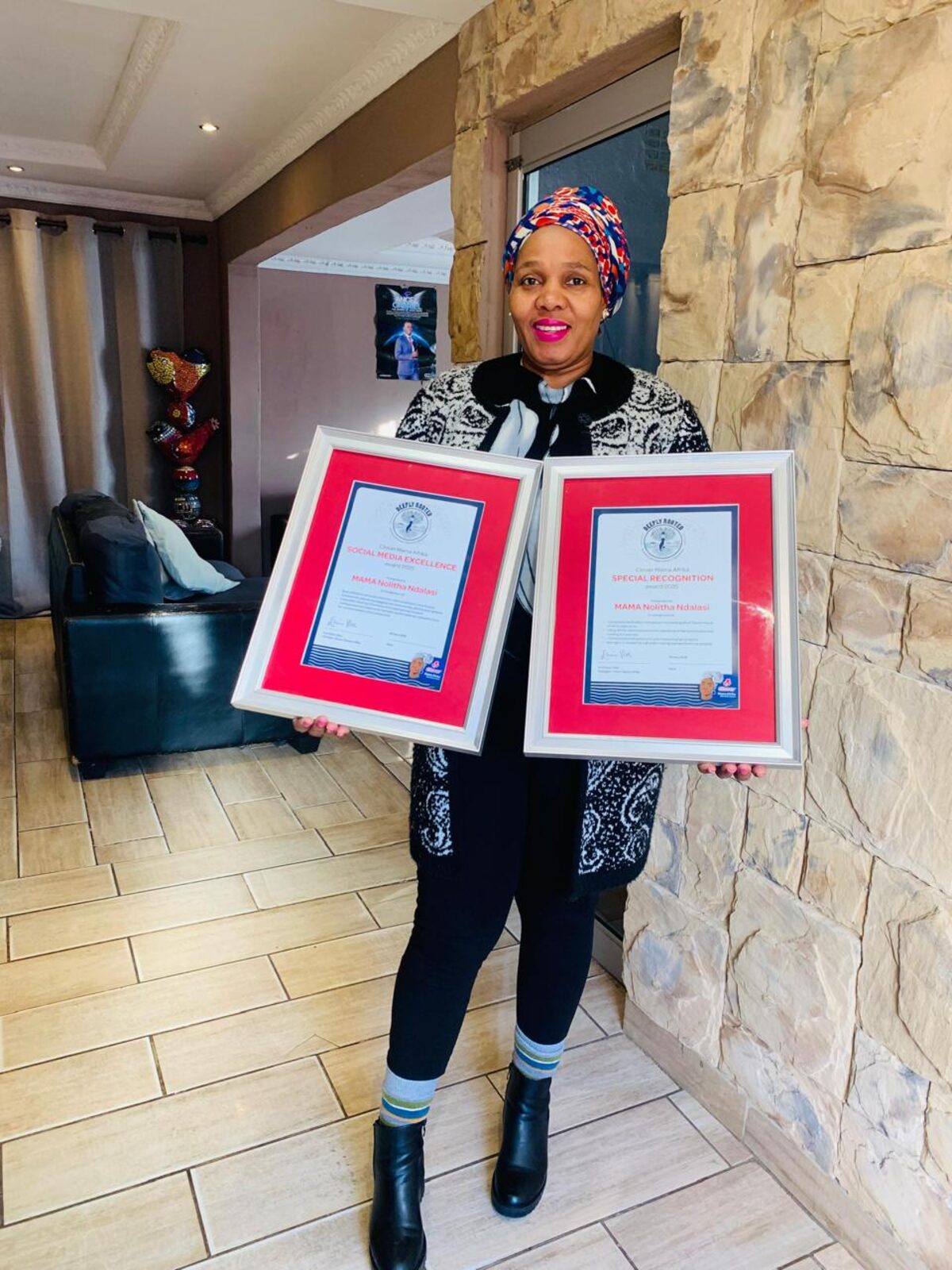

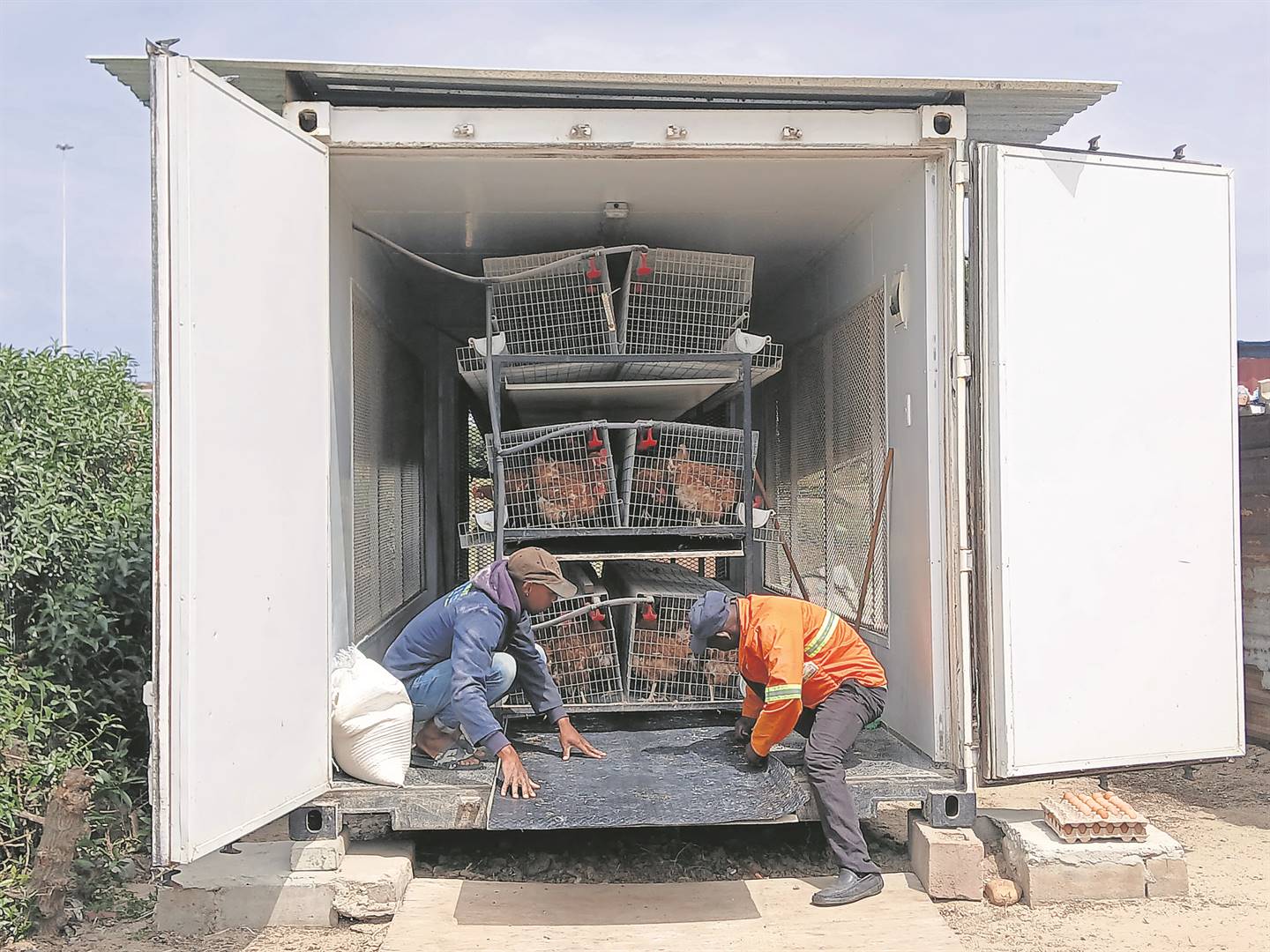
- Nolitha Ndalasi, a poultry farmer in Khayelitsha, launched her business in 2022.
- Her initiative, part of the Sinethemba Community Organisation, focuses on empowering the community.
- Ndalasi now runs a successful poultry farm that sells eggs and chicken.
Working in a male-dominated environment is not a child’s play, as women we need to put in more effort just to be recognised.
These are the remarks of Nolitha Ndalasi, a farmer from Harare, Khayelitsha, who is in poultry farming.
Ndalasi, who is the founder of Sinethemba Community Organisation, is doing a rare business in the township. Sinethemba is a non profit organisation. They run a range of projects to empower the community in the area.
Ndalasi said she initiated this business in May 2022 after she developed an interest in poultry farming. She said being a chicken and poultry farmer requires a lot of passion and dedication.
“Chicken farming is not something that I planned to do. But because I’m an ambassador for Clover Mama Africa, the other day we were in a meeting and I saw a pamphlet with some of the programmes that Clover is conducting. I saw chicken farming and I told my supervisors that I like it and I need to try it,” explained Ndalasi.
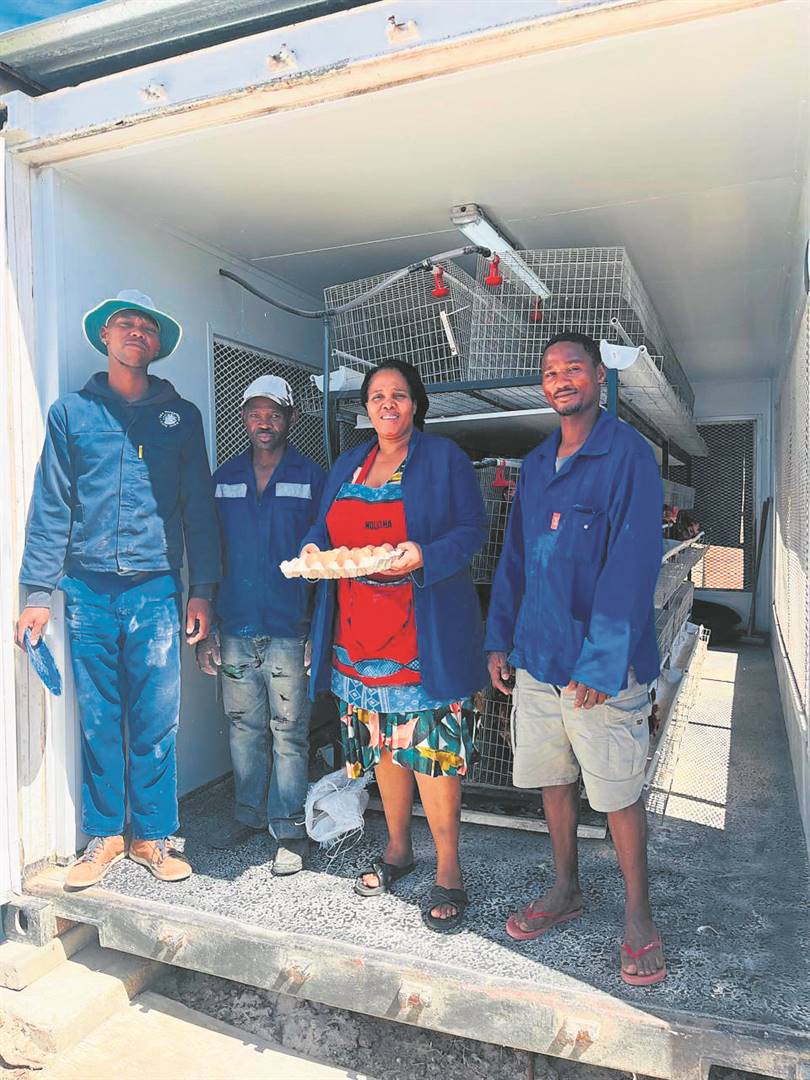
She said two weeks later, Clover donated a shipping container with 100 laymen chickens, feed and everything that was required. She said the shipping container was already electrified.
She said chickens specialise in laying eggs. “These chickens are specialising in producing eggs. Each chicken lays one egg a day. There are no cocks here, the feed is the one that makes the chickens produce eggs,” she explained, adding that she hired five well-trained people to look after the chickens.
Ndalasi said she sells both eggs and chickens. The chickens stay for 18 months before they are sold. “After 18 months, the chickens stop laying eggs. I then sell them and order other chickens. I charge R120 per chicken and R100 for a tray of eggs,” he said.
Ndalasi described the feed as everything for the chickens. “It’s rare for the chickens to get sick. I don’t need to buy medication for chickens, the feed takes care of them. If I see that there is a chicken that is sick we isolate it from others and put it in another cage and monitor it for a few days. After we see it is fine, we bring it back to others,” she explained.
Ndalasi stated that the business thought her to be strong and resilient. “You won’t make it if you are mama’s baby in farming,” she said.