
Healthy eating on a budget, local dieticians share practical advice. While the rising cost of living continues to affect households across Cape Town, local dieticians say eating healthily is more affordable and accessible than many realise.
Not only is a healthy diet essential in preventing and treating chronic lifestyle diseases such as diabetes and hypertension, but it is also a powerful act of self-care.
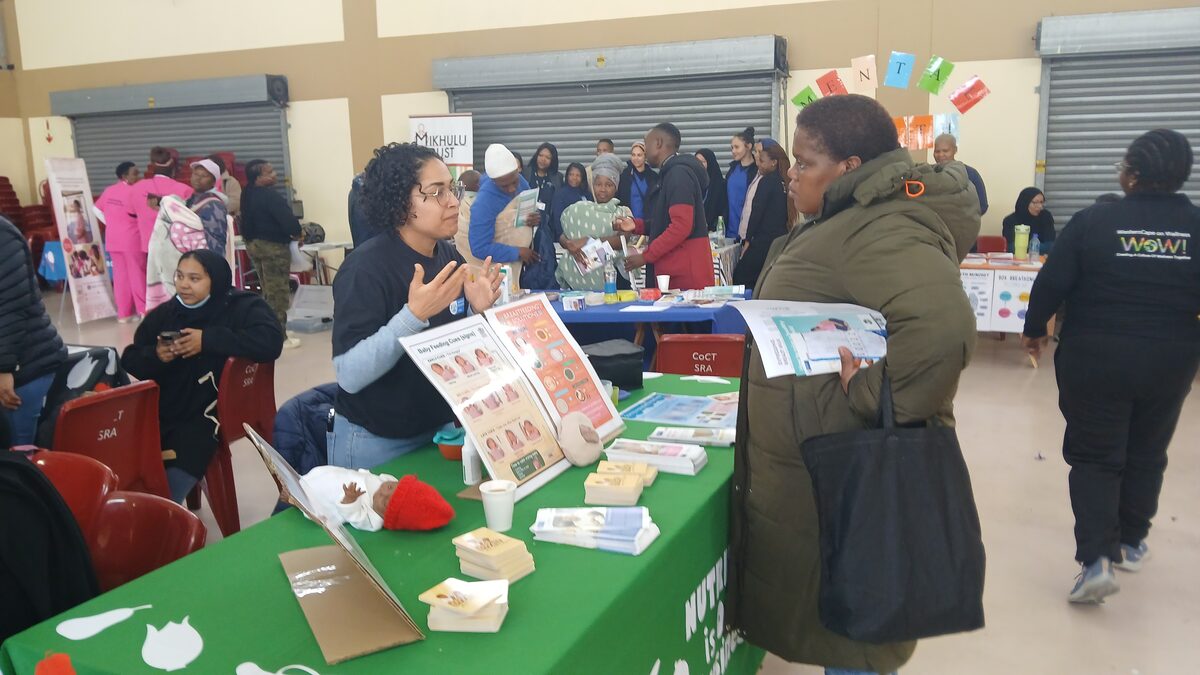
During Dieticians Week, which ran from Monday 2 to Sunday 7 June under the theme “Your health, our mission: Talk to a dietitian”, health-care professionals across the province were working to dispel the myth that nutritious food is out of reach for the average household,” said Kristi Overmeyer, a dietician based at Heideveld Community Day Clinic.
“Healthy eating is perceived to be expensive. We have noticed that the communities we serve have financial constraints and this leads to food insecurity.”
Quanita Salaam, a dietician at Mitchells Plain Community Health Centre, echoed the concern. She said limited income, reliance on spaza shops that often lack fresh produce and a general lack of knowledge about nutrition are major obstacles to healthier living.
“Many people are unaware of how to read food labels, balance meals or make healthier swaps. For example, people often believe fruit juice is always healthy, even though many are filled with added sugar.”
Despite these challenges residents across the Cape have access to free nutritional consultations through public-health-care facilities. Dieticians hope more people will take advantage of these services to improve their eating habits.
“Choosing healthy meals is a powerful act of self-care in today’s fast-paced life,” Salaam said. “Eating a balanced diet along with regular exercise decreases the risk of chronic diseases. It also supports mental health, boosts mood and concentration, and helps children grow, learn, and thrive.”
Cost remains a common concern. Fresh produce and lean proteins are often more expensive than processed staples such as white bread and rice. But knowing how to make substitutions and control portion sizes can stretch a small budget a long way. Dieticians also point out that acceptance of vegetables, especially among children, is often shaped by family habits and exposure.
The lack of vegetables in daily meals contributes to preferences for sweeter and saltier foods, including fast food and fried meals.
Zenande Xaluva, a dietician at Nyanga Community Day Clinic, offers a simple, visual method to help families build balanced meals using their hands.
A healthy plate should have starch about the size of a closed fist, protein the size of the inside of your palm, and non-starchy vegetables filling the space of two cupped hands. Fats, Xaluva said, should be kept to the size of the tip of your thumb.
Practical, cost-saving strategies are available to every household.
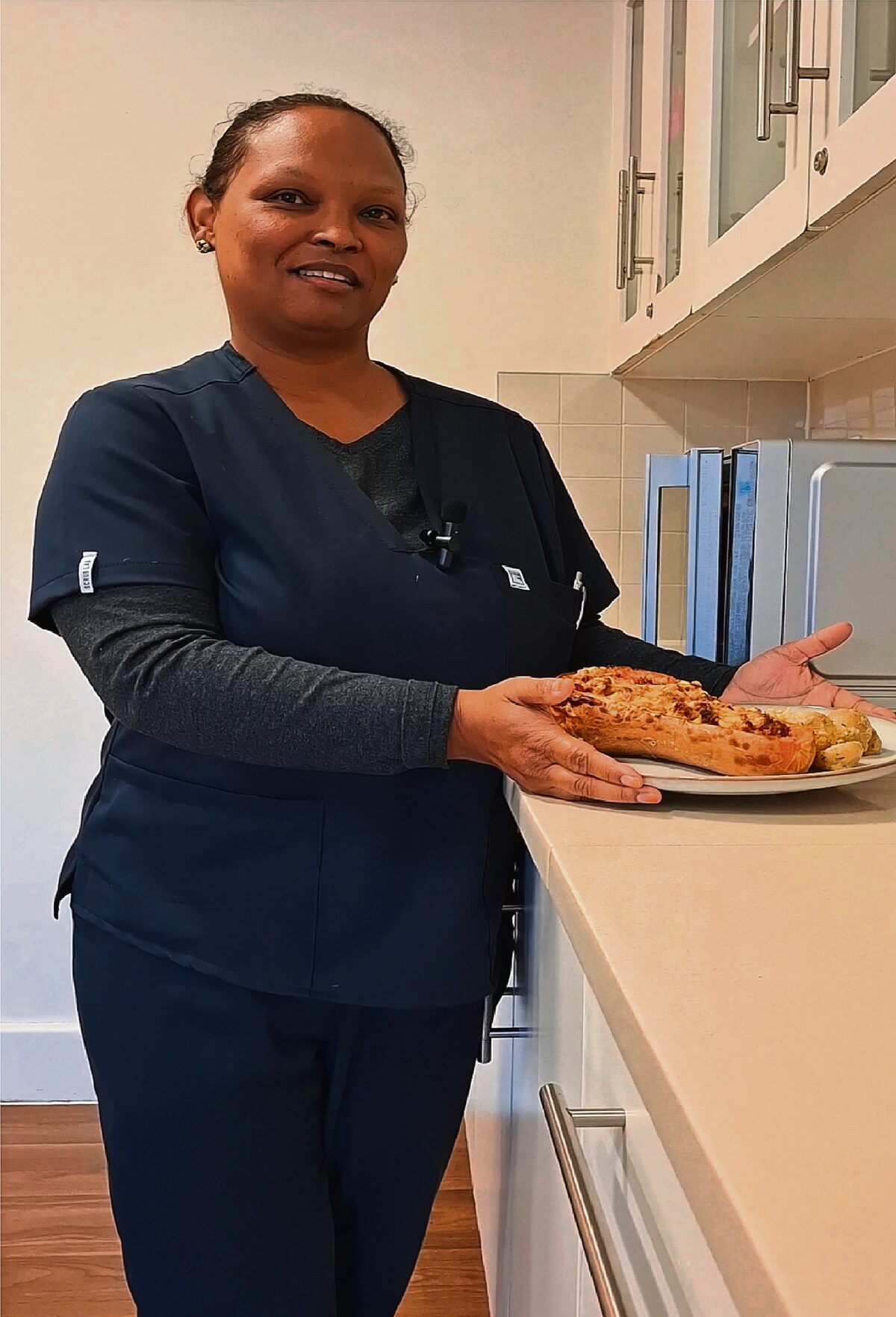
Dietician Margaux Doe from Mitchells Plain District Hospital suggests adding beans and lentils to mince-based meals like spaghetti bolognaise to stretch the dish without compromising on nutrition. Replacing meat with plant-based proteins and buying fruit and vegetables that are in season also helps make meals more affordable. “To make vegetables more appealing, especially for children, look for options such as butternut,” said Doe. “You can stuff a butternut with savoury mince, top it with a bit of cheese and bake it; two halves can feed four people. Stuffed peppers and squash work just as well and can be paired with simple sides to bulk-up the meal. Even with less meat these meals are rich in colour, fibre, vitamins and minerals.”
Additional advice from local dieticians includes buying seasonal and locally sourced produce from vendors, who often sell at lower prices. Buying pantry staples such as rice, pasta and legumes in bulk, especially on special, and sharing these among friends and family can lead to significant savings. Freezing vegetables for later use in soups and stews, starting a small home garden and making traditional meals healthier by reducing oil and salt are also practical ways to improve nutrition without breaking the bank.
For beverages, dieticians recommend swapping sugary cooldrinks for water with a slice of lemon or homemade iced rooibos tea. Cutting down on processed meats such as viennas, and avoiding chips and pies can also go a long way towards improving health outcomes.
The message from local dieticians is clear, eating well on a budget is possible with the right support and knowledge and public clinics are ready to help.