
Hard work, dedication, and love are all that is needed to become a successful farmer, says a young farmer in Harare, Khayelitsha.
The founder and director of Sinethamba Community Organisation, Nolitha Ndalasi, established the organisation in 2000 with the aim of empowering the community. She said she started with food gardening and later expanded it into a range of projects.
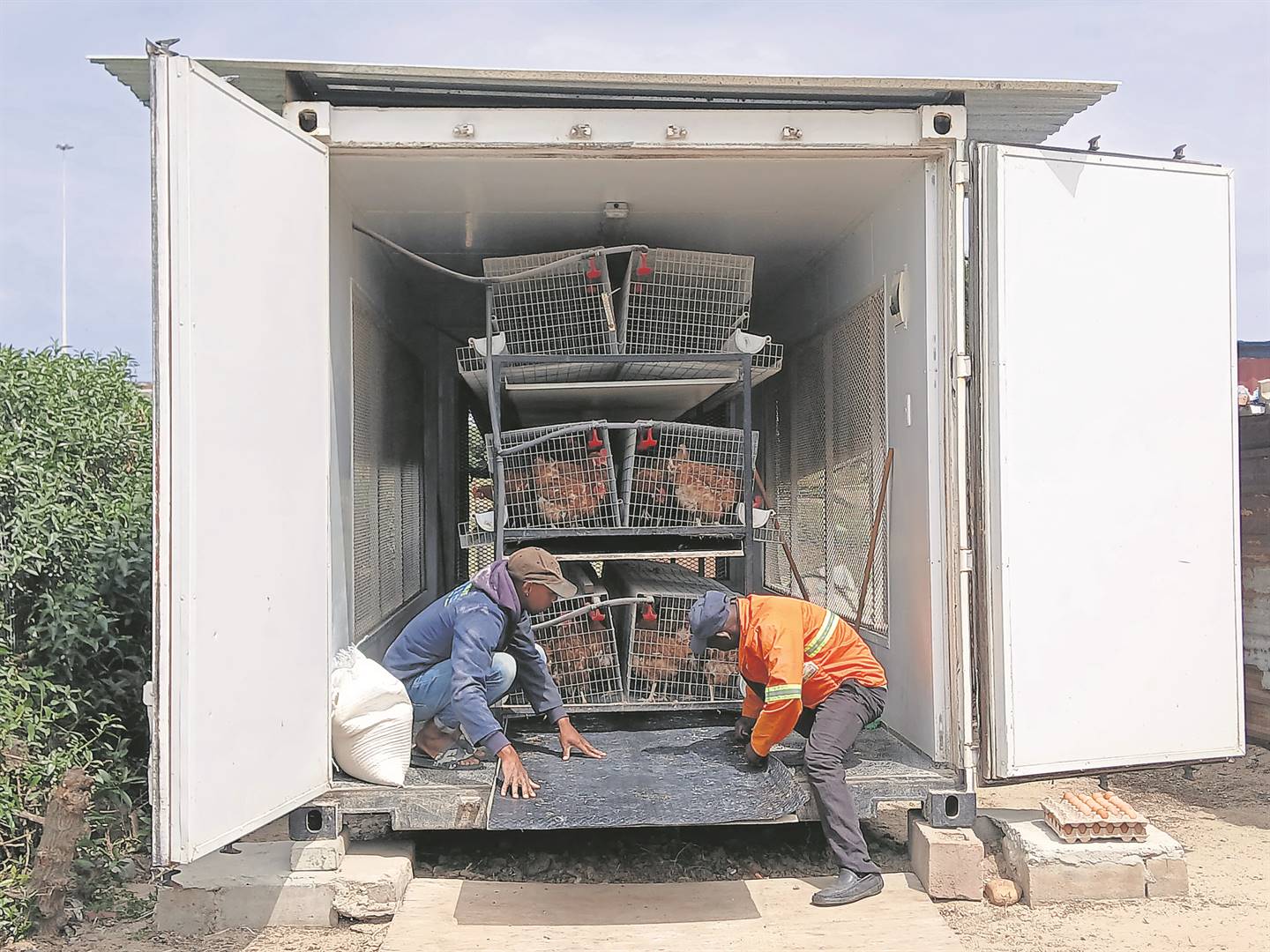
“I realised that many people in the community were unemployed and vulnerable. In 2001, I started a soup kitchen to support them. Since then, I have never looked back. Today, we have a range of projects, including sewing, Early Childhood Development, poultry farming, mosaic work, beading, and an after-school programme,” said Ndalasi.
Khayelitsha community farming creates jobs and hope
She added that more than 30 workers are currently supporting the organisation.
The mother of two said that being a farmer is not easy, as it is very demanding work.
“I wake up at 05:00 every day and I’m usually the last person to go to sleep because I have to prepare for the next day. However, with the assistance of my team, things become easier,” she said.
She noted that they prepare meals for the soup kitchen every Monday, Wednesday, and Friday. Ndalasi also stressed that the organisation survives mainly through funding support.
Call for support for Khayelitsha farming initiative
“It is not easy to sustain the organisation because we depend on funders. Sometimes I have to use my own money to keep things going. We are appealing to other organisations to support us,” she said.
READ ALSO: Clover Mama Afrika honours Khayelitsha’s Nolitha Ndalasi for social impact work
Nonina Pama (78), a garden supervisor, said she has been working at the organisation since 2000 and was one of the first people to join.
“Only two of us remain from the original group. Everyone else joined later. I am in charge of the garden and know everything that is planted here,” said Pama.
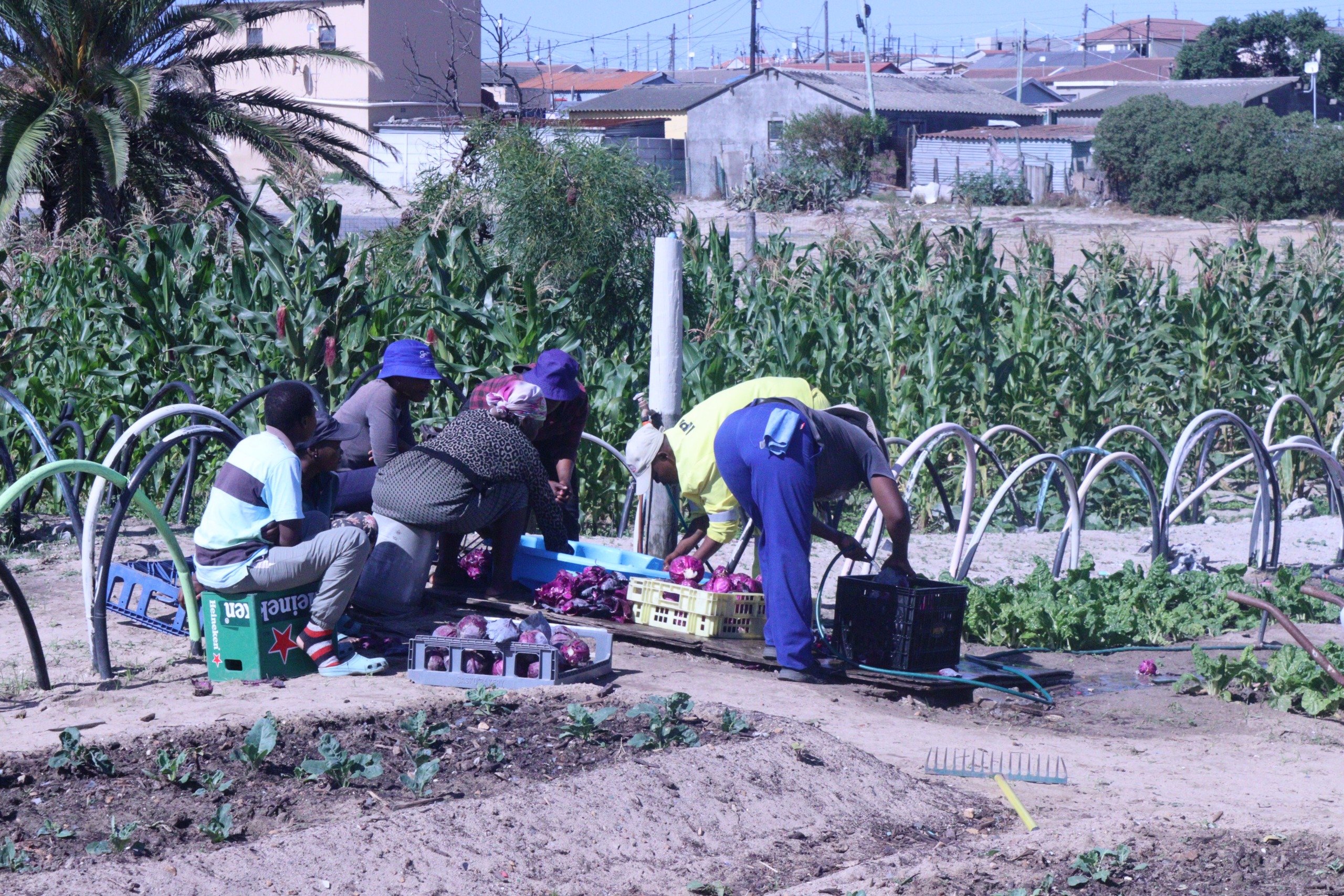
Some of the vegetables grown in the garden include cabbage, carrots, spinach, spring onions, strawberries, potatoes, tomatoes, red peppers, rosemary, and mealies.
Challenges facing the community garden
She identified water shortages as the main challenge.
“We only have two taps in a large garden and we must use watering cans for irrigation. We wish we could get sprinklers, as well as more gardening tools,” she said.