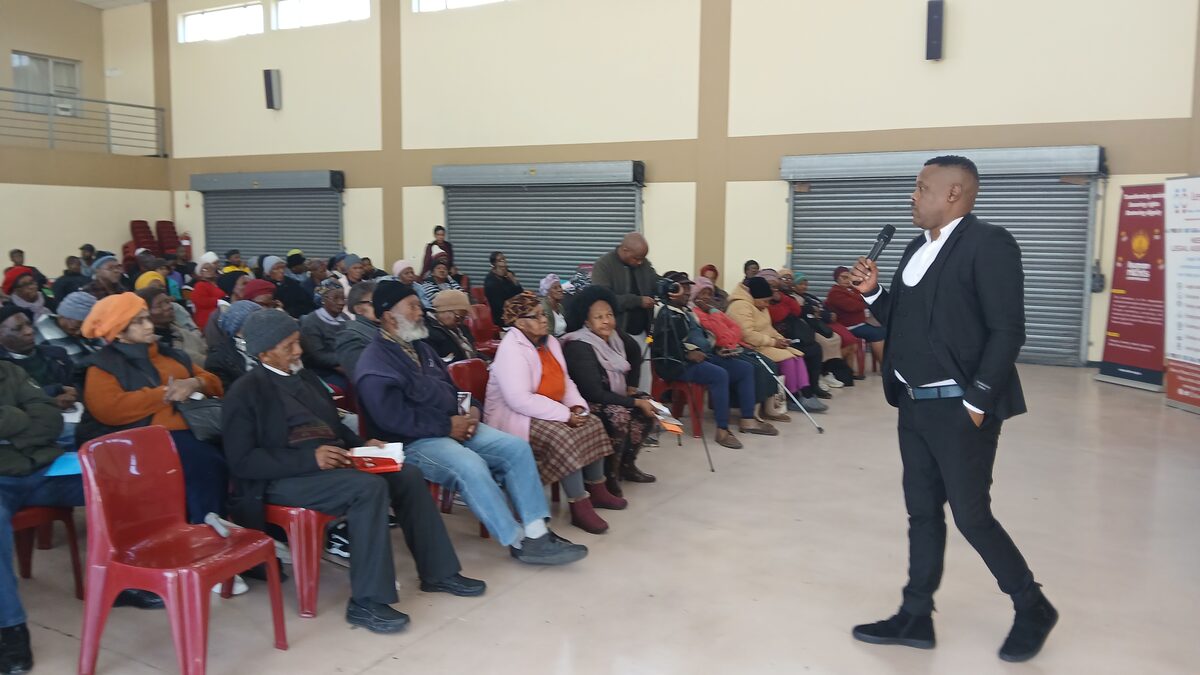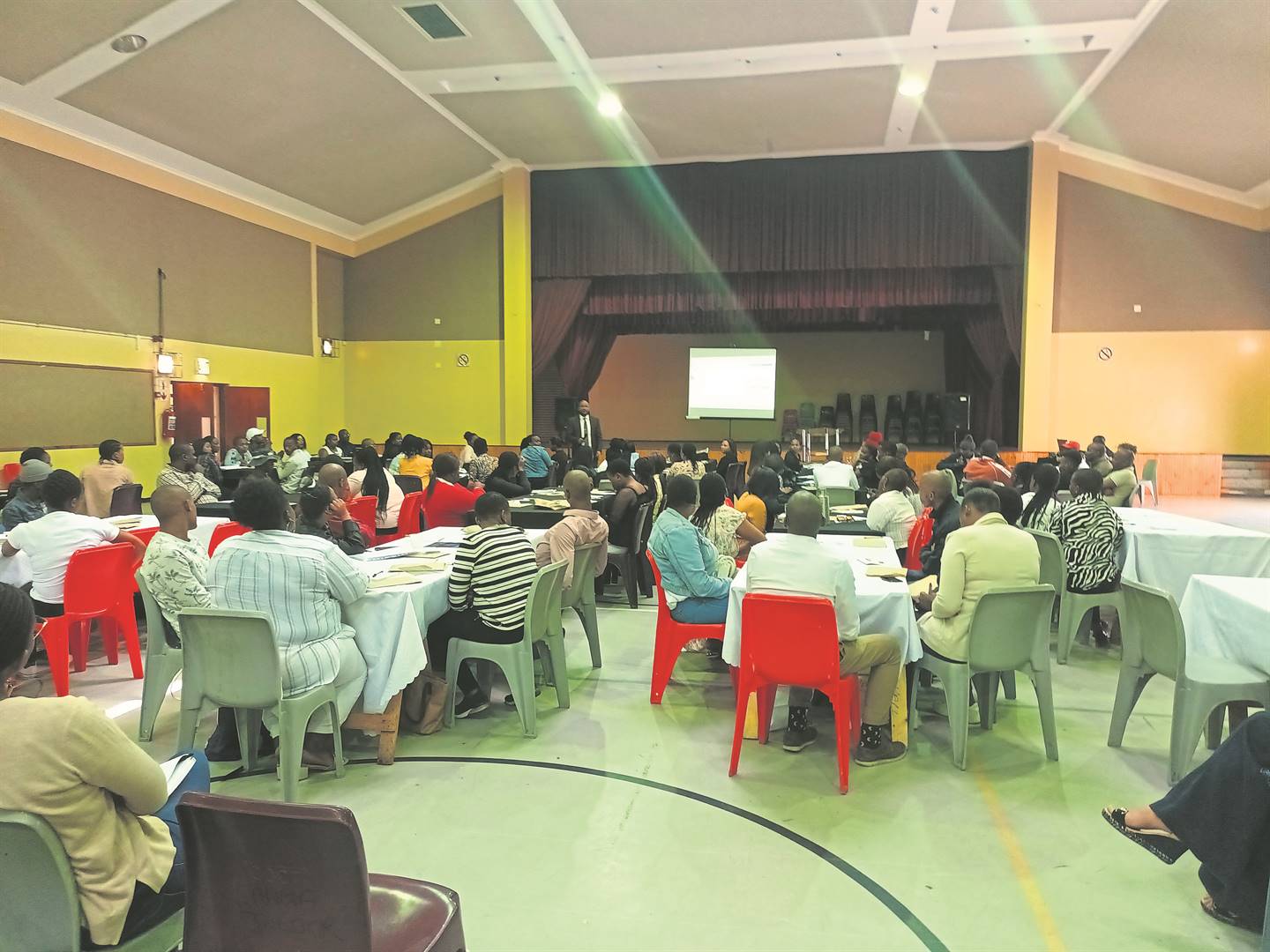

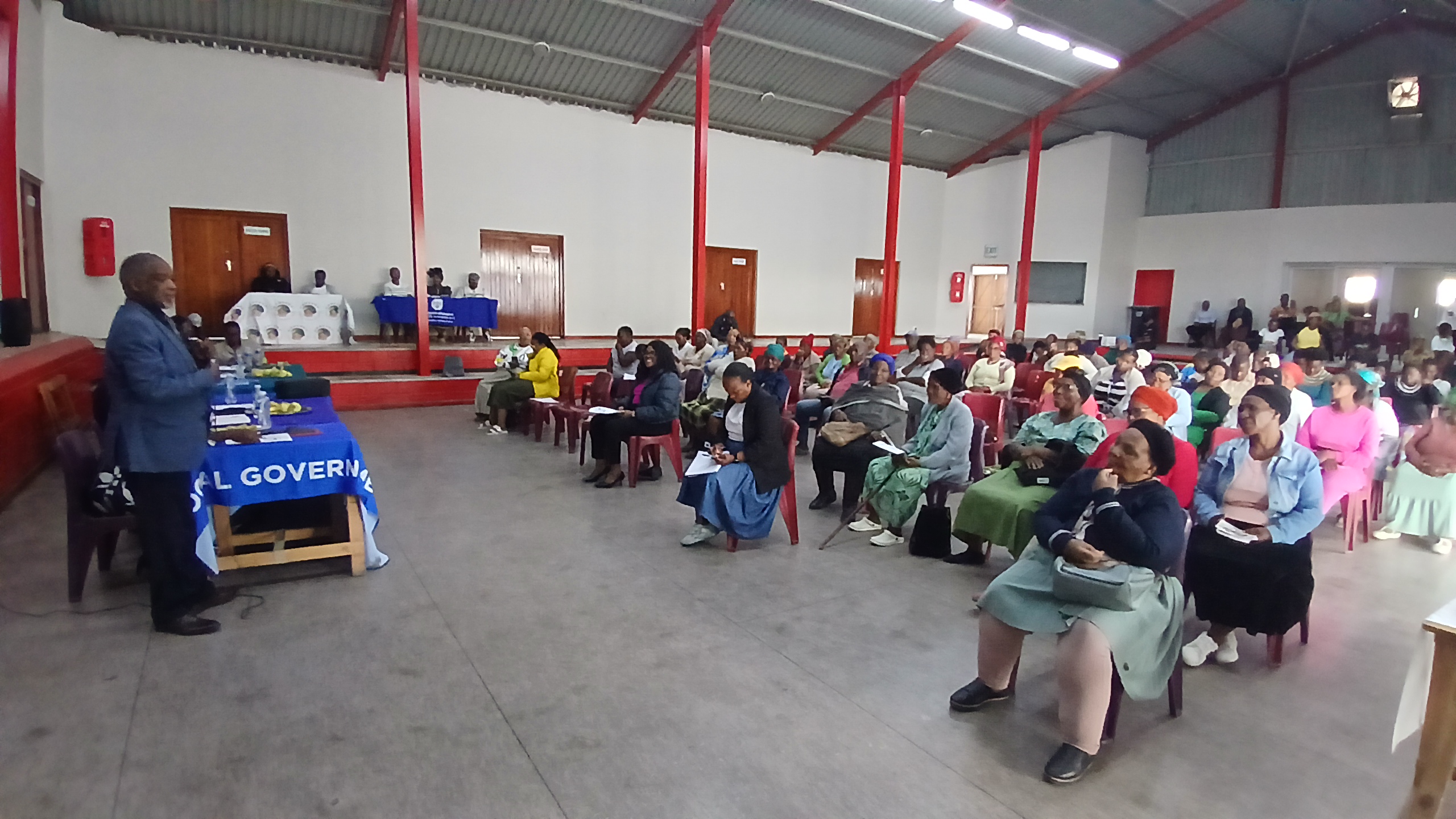
Scores of people gathered at the Site B Community Hall on Thursday, 19 March for a marriage seminar conducted by the Public Education Office of the National Parliament in partnership with the Western Cape Local Government Department. It was attended especially by church leaders and various local organisations.
Marriage seminar in Site B focuses on legal rights
Speaking on behalf of the Public Education Office, Vuyani Xabendlini described the seminar as an initiative aimed at empowering and educating the public about marriage laws and their rights. He explained that South Africa recognises different types of marriages.
“In the country, we have customary, civil and religious marriages. All marriages are different from one another. Traditionally, customary marriages were arrangements between two families, with nothing formally documented. However, the government now allows these unions to be formalised and registered,” said Xabendlini.
He added that polygamy is permitted only if the existing wife consents to her husband taking another wife.
Xabendlini emphasised that cohabitation did not constitute a legal marriage.
“People can live together for as long as they wish, but that does not entitle either partner to the other’s belongings. Even if you have lived together for more than 10 years, you may not inherit anything if your partner passes away, unless there is a written agreement stating otherwise.”
Marriage Bill aims to unify marriage laws
Xabendlini also highlighted that a Marriage Bill is currently before Parliament, which proposes a minimum legal marriage age of 18 years. The bill aims to unify all marriages regardless of sexual orientation, religious beliefs or cultural practices under a single legal framework.
“The bill not only seeks to address existing disparities but also tackles the issue of child marriages,” he said.
Emthonjeni Counselling and Training Executive Director Nomfundo Mwanda described the seminar as informative and beneficial. She said her organisation focused on equipping young people with life skills, which includes preparing them for marriage.
“We run programmes for young people in which we educate and prepare them for marriage. In many cases, people enter marriage for the wrong reasons, such as for financial gain. Some view a husband as a source of income. As an organisation, we aim to empower, especially women, to be independent.”
She added that marriage should be a partnership in which both individuals support one another, rather than a burden.
Community members welcome Site B marriage seminar
Another who attendee, Nomabandla Nqweme (76) from BM Section in Site B, described the seminar as revitalising.
“I lost my husband in 2007. We were married under customary law, but I have now learnt I need to register our marriage. I hope young people are listening because marriage is not ‘pap and vleis’. For a marriage to be stable both partners must work hard.”