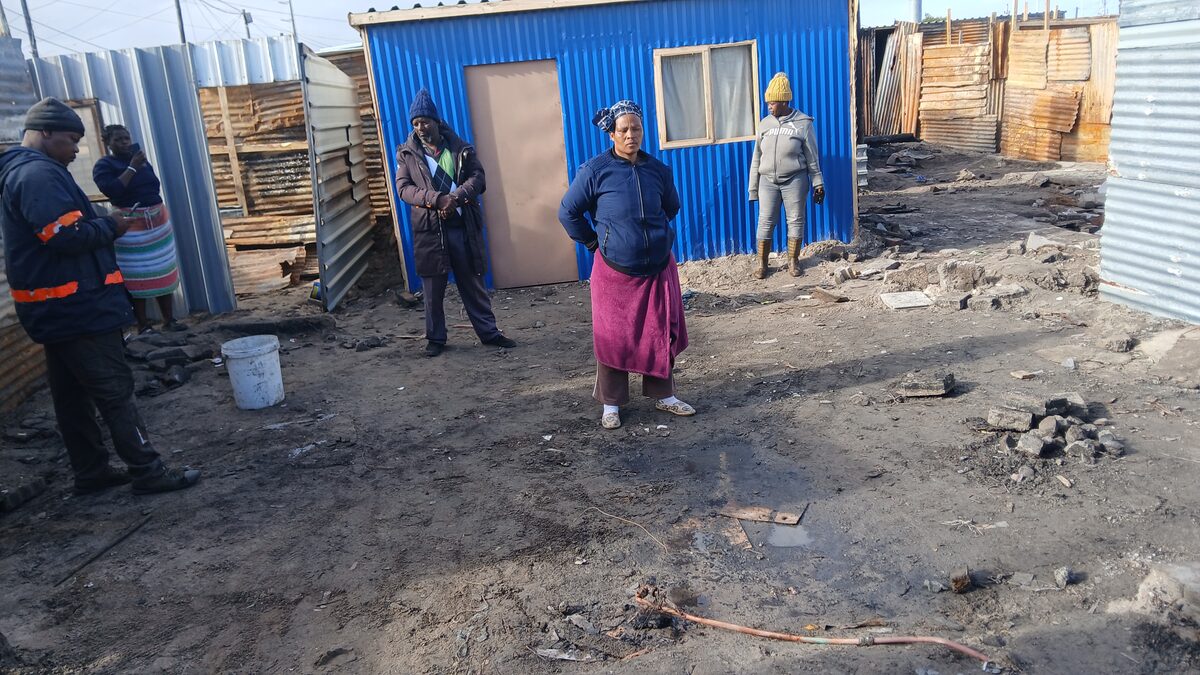

Residents from Covid informal settlement in Mfuleni who are residing along the lake in the area are adamant that they are not relocating to the new structures stating that the new structures are too small for their families. They said they want the City to revise the design and make them bigger. At least 400 households are expected to be relocated in this current phase.
Resident Ntombentle Plaatjies said she would rather stay in her shack than move into the small shack. She said she has a big family, and they cannot fit in there.“We are a family of five people. It’s me, my husband and three children. I’m currently living in a three-bedroom shack. Going to the new structures is like downgrading for me,” said Plaatjies, adding that there is no privacy there.
Another resident, Busi Molose, complained that the structures cannot even be extended because there is no space. “I’d understand if we had big plots when we were able to extend our shacks on our own. The structures are perfect for people who are single,” she said.
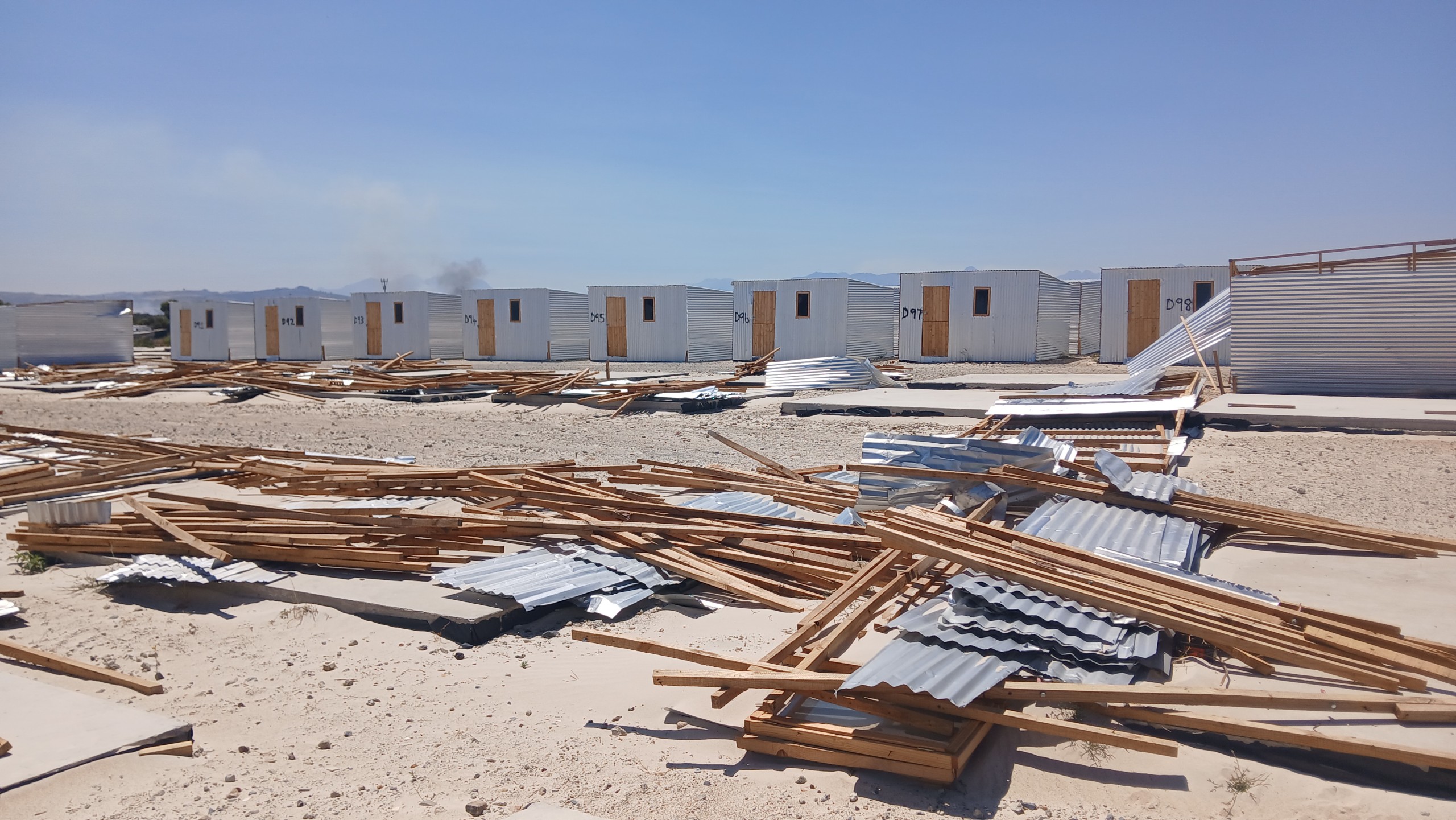
Molose stated that they are prepared to be relocated, but to decent structures. She described the structures as a joke. She said the structures are falling apart because they are not used.
Covid chair Bathandwa Gali said they are aware of the beneficiary’s grievances, and they are arranging a meeting with the Western Cape Department of Infrastructure and other relevant stakeholders to discuss the crisis.
“The project has stopped since last year because the beneficiaries are complaining about the sizes of the structures and their complaints are valid. As leaders, we want to engage with the relevant stakeholders, including the Western Cape Department of Infrastructure, about making the size of the structures bigger,” said Gali, but he didn’t verify the exact date of the meeting. Gali clarified that the structures that are damaged were blown away by strong winds, they were not damaged by people. He said there are more than 200 structures that are already constructed.
Western Cape Department of Infrastructure spokesperson Melt Botes said the relocation programme is led by the Housing Development Agency (HDA) with support from all three spheres of government (National, Provincial, and Local). He said the HDA is communicating with the project steering committee with regards to the challenges on the project. He said there will be a meeting this week but didn’t specify the exact day.
“The original structure was a standard specification for emergency housing which is utilised throughout the country. However, due to the nature of the area (higher ground open space) the wind blew these structures down. Following this, the team has revised the design to fit the current conditions. This has also been tested to ensure that the structure will stand,” he said. Botes said the project has been delayed for two months and now the anticipated relocation date is March this year.
He said for the current phase (relocation of 400 families) the department has allocated R34 million, which includes the provision of water and sanitation facilities.
“The main aim is to complete the 400 units with the revised and stable design and relocate the people residing on the dam wall. This will ensure that the City is able to implement the restoration and fortification of the wall. The City is in the process of implementing permanent bulk water and sanitation infrastructure in anticipation of future phases,” said Botes.