
An ecotoxicology expert at the University of the Free State (UFS) has warned that cholera could become the new normal for South Africans.
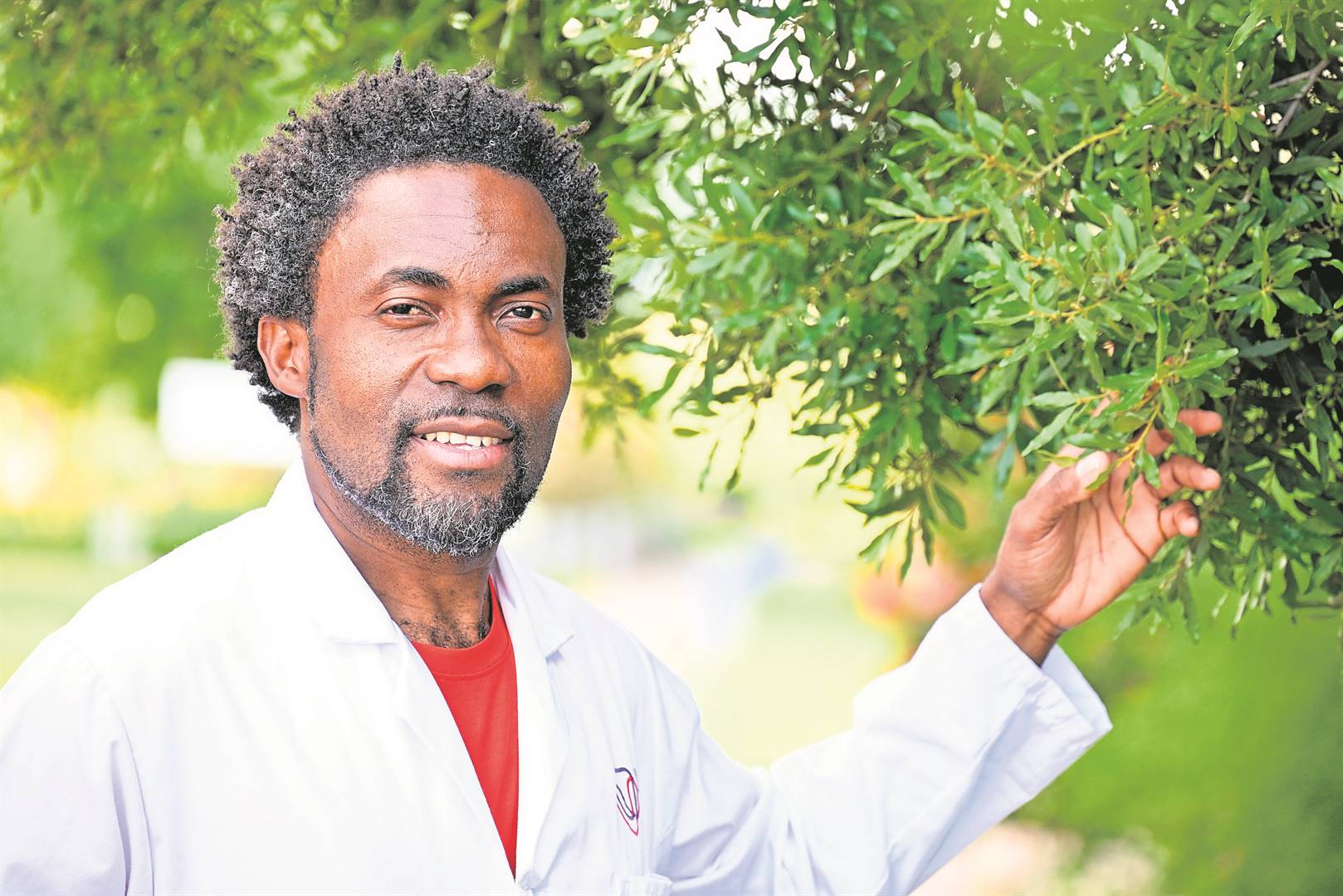
Dr Patricks Voua Otomo, head of the Ecotoxicology Research Laboratory and subject head of Zoology and Entomology in the faculty of Natural and Agricultural Sciences, has highlighted dilapidated infrastructure and water challenges.
He indicated that the possible long stay of cholera will be due to South Africa’s water challenges and failing infrastructure. The recent cholera outbreaks in Gauteng and the Free State were a warning sign that the quality of the country’s water is questionable.
“We remain at risk of recurring and isolated outbreaks until the country’s failing water systems are addressed,” Otomo strongly warned.
“Systemic failure poses significant risks to public health. As long as the country’s wastewater treatment works are in a poor to critical state, they pose significant risks to public health and the environment.
“Our water systems are connected, and in South Africa one of our greatest challenges is poorly treated wastewater systems and highly polluted rivers. The current cholera outbreak is not happening in peculiar regions. It is in areas where people consume questionable drinking water. The water we have is not of good quality, and people should not be consuming it.”
Otomo said that cholera was one of the most vicious threats to public health, because bacteria may continue to thrive if the current conditions remain unchanged.
“All it takes to get cholera is a drop of contaminated water in your system to fall sick or even die.
“In a country like ours, where many people experience water scarcity and rely on unsanitary water sources, they are vulnerable to being easily exposed to bacterial diseases such as cholera.”
Otomo has called for urgent intervention to fix water treatment plants to avoid a reoccurrence of cholera and other waterborne diseases.
“We urgently need to address the failing infrastructure, and improve the quality of our drinking water and how water gets treated before being released into river streams – or we will remain at risk.
“Cholera is just one of many waterborne diseases. High E. coli levels were found on our beaches just recently, which is an indicator of other bacteria present in the water.
“We are really in trouble,” Otomo firmly believes.